
Flowers
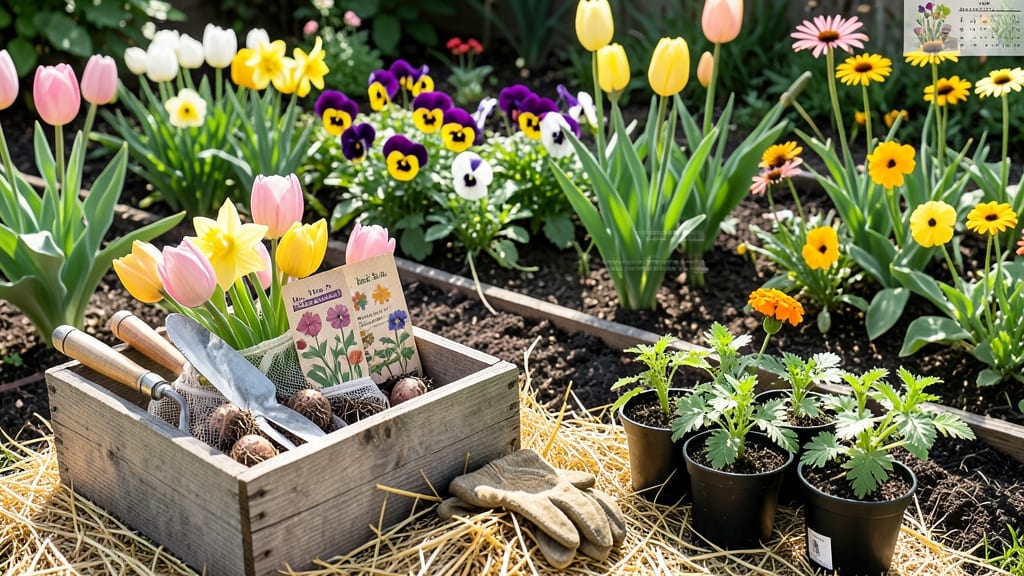
Planting your 🌸 flowers in Zone 5 at the wrong time can turn your dream garden into a sad, frost-kissed memory. The difference between vibrant blooms and wilting disappointment often comes down to knowing exactly when to put those seeds in the ground.
If you've ever wondered why some gardens thrive while others struggle, timing is the key. Zone 5's unpredictable frosts mean you need a precise schedule—spring plantings must wait until after the last frost, while fall plantings require careful calculation to give roots time to establish before winter sets in.
I'll walk you through the exact windows for planting annuals, perennials, and bulbs, so you can avoid common mistakes like planting too early or too late. Whether you're a beginner or a seasoned gardener, these insights will help you create a garden that bursts with color year after year.
Let's dive into the perfect planting timeline that will transform your garden from good to spectacular—no more guessing, just guaranteed blooms.
Zone 5 spring planting timeline: frost dates and flower types
In Zone 5, your spring planting window is all about beating the last frost while giving tender flowers enough time to establish roots before summer heat arrives.
The average last frost date for most of Zone 5 falls between April 15 and May 15, but this varies by 100-200 miles depending on whether you're in the northern or southern edges of the zone.
For example, Chicago (northern Zone 5) typically sees its last frost around May 10, while St. Louis (southern Zone 5) can plant as early as April 20. Always check your local Cooperative Extension Service for precise frost dates—this is your best defense against frost damage in spring.
Here’s the golden rule: Wait until soil temperatures consistently reach 60°F (15°C) before planting heat-sensitive flowers like petunias, geraniums, or marigolds. Cold soil can stunt root growth, leaving your plants vulnerable to spring frost surprises.
Cold-hardy annuals and perennials like pansies, snapdragons, or hardy geraniums can handle cooler soils and can be planted 2-4 weeks before the last frost date. These early bloomers will give you early-season color and help attract pollinators before summer flowers take over.
For tender perennials like dahlias or cannas, wait until after May 15 in most of Zone 5, as these plants cannot tolerate frost at any stage. If you’re eager to start, grow them indoors from seeds or start transplants in pots and harden them off before transplanting outdoors.
Pro tip: Use row covers or cold frames to extend your planting window by 1-2 weeks for frost-sensitive flowers. These simple tools can create a microclimate that’s 5-10°F warmer than the surrounding air, giving delicate plants a head start.
Zone 5 Spring Planting Guide
| Flower Type | Planting Window | Soil Temp Requirement | Notes |
|---|---|---|---|
| Cold-Hardy Annuals (Pansies, Snapdragons) | 2-4 weeks before last frost | 45-50°F (7-10°C) | Tolerate light frost; great for early color. |
| Heat-Loving Annuals (Petunias, Geraniums) | After last frost (May 1-15) | 60°F+ (15°C+) | Wait for warm soil to avoid stunted growth. |
| Tender Perennials (Dahlias, Cannas) | After May 15 (or use row covers) | 65°F+ (18°C+) | Cannot tolerate frost; start indoors if needed. |
| Hardy Perennials (Coneflowers, Black-Eyed Susans) | Early spring (March-April) | 40°F+ (4°C+) | Plant as soon as soil is workable for early blooms. |
| Bulbs (Tulips, Daffodils) | Fall (6-8 weeks before first frost) | 50-60°F (10-15°C) | Plant bulbs in fall for spring blooms. |
🌱 Pro Tip: Test soil temp with a soil thermometer—it’s more accurate than guessing!
If you’re planting vegetable flowers like nasturtiums or borage, they’re self-seeding annuals that can handle cooler soils and even light frost. These are perfect for gap-filling between spring and summer plantings—they’ll pop up where other flowers might fail.
For container gardening in Zone 5, start potted flowers indoors 6-8 weeks before your last frost date. This gives you a head start and lets you move containers to protected spots if late frosts threaten. Just remember: containers dry out faster, so monitor soil moisture closely.
One common mistake is rushing to plant warm-season flowers too early. If you plant marigolds or zinnias before the soil warms up, their growth will stall until temperatures rise, leaving you with leggy, weak plants. Patience pays off—wait for that 60°F soil mark!
Finally, don’t forget to amend your soil before planting. Zone 5 soils can be clay-heavy or nutrient-poor, so mix in compost or aged manure to improve drainage and fertility. A well-prepared bed gives your flowers the best chance to thrive once they’re in the ground.
Fall planting strategies for Zone 5: extending bloom seasons
Fall planting in Zone 5 is your secret weapon for early spring blooms and winter-hardy color. Unlike spring, cooler temperatures and shorter days create ideal conditions for many perennials, bulbs, and cool-season annuals to establish roots before winter dormancy.
The key? Planting 6-8 weeks before your first frost—typically between mid-August and early October in most of Zone 5.
Why bother with fall? Many flowers—like pansies, snapdragons, and chrysanthemums—thrive when planted in autumn. They’ll bloom earlier in spring and often survive winter with proper mulching. Even spring-blooming bulbs (like daffodils and tulips) need a 12-week chill period to flower well, so fall is their prime planting window.
Here’s how to time it perfectly:
- Count back 6-8 weeks from your average first frost date (usually mid-September in Zone 5). This gives plants time to root before winter.
- Adjust for microclimates: Areas near lakes or hills may frost 1-2 weeks earlier—plant earlier in these spots.
- Soil temp matters: Aim for 60-70°F soil (use a soil thermometer if unsure). Cooler soils slow root growth.
- Cool-season annuals: Pansies, snapdragons, sweet alyssum—plant 4-6 weeks before frost for winter blooms.
- Perennials: Coneflowers, black-eyed Susans, sedum—plant 6-8 weeks before frost for next spring’s blooms.
- Bulbs: Daffodils, tulips, crocus—plant 6-8 weeks before ground freezes (typically October in Zone 5).
- Apply 2-3 inches of mulch (straw, shredded leaves, or wood chips) after planting to insulate roots and retain moisture.
- Avoid volcanic rock mulch—it reflects heat and can freeze plant roots in winter.
- Pull mulch back 2 inches from stems to prevent rot and pest buildup.
- Use row covers or frost cloth for tender annuals (like calendula or nasturtiums) during early frosts.
- Group heat-loving perennials (like lavender or Russian sage) near south-facing walls for extra warmth.
- Water deeply before hard freezes to hydrate roots for winter survival.
Fall planting isn’t just about timing—it’s about preparing your garden for success. By choosing the right flowers, mulching properly, and adjusting for your local frost date, you’ll enjoy longer bloom seasons and hardier plants year after year.
Plus, fewer weeds compete with your fall plantings, giving them a head start in spring.
Pro tip: Mark your calendar now! Set reminders for late August/early September to start your fall planting prep. With the right strategy, your Zone 5 garden can burst into color months before spring plantings catch up.