
Flowers
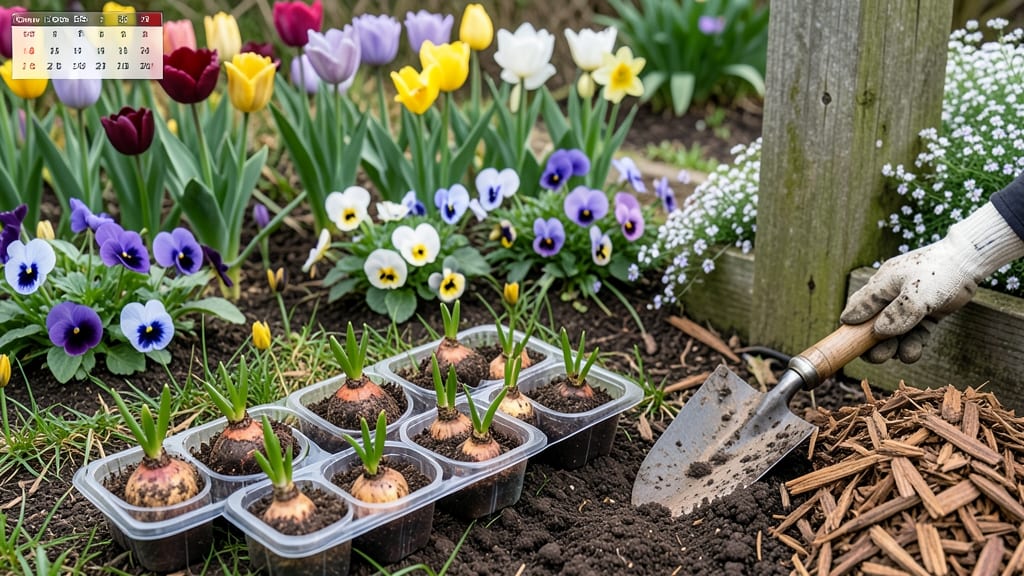
Timing your flower planting in New Jersey can feel like solving a puzzle—get it wrong, and your 🌱 blooms might never appear. Whether you're in USDA Zone 6b or 7a, knowing the exact deadlines for annuals, perennials, and bulbs is the key to a vibrant garden.
Too early, and frost zaps your efforts; too late, and your flowers won’t have time to thrive before winter’s chill sets in.
I’ve spent years watching NJ gardens transform from bare soil to colorful landscapes, and the difference between a struggling and a stunning garden often comes down to planting dates. The right timing ensures your flowers take root, grow strong, and reward you with months of beauty.
Let’s break down the best months to plant by flower type so you can avoid common mistakes and enjoy a garden that’s the envy of the neighborhood.
From coastal breezes to inland heat waves, NJ’s microclimates add another layer of complexity. That’s why I’ll share region-specific tips—whether you’re near the shore or tucked into the hills—to help you plant with confidence.
By the end, you’ll know exactly when to dig in your trowel for each type of flower, so you can skip the guesswork and start enjoying your garden’s full potential.
Ready to turn your NJ garden into a year-round showstopper? Let’s get started with the perfect planting schedule tailored just for you.
NJ flower planting calendar: exact deadlines by USDA Zone 6b & 7a
New Jersey’s USDA Zones 6b and 7a mean your planting deadlines hinge on last frost dates (typically mid-April to early May) and soil temperatures. Miss these windows, and your flowers may bolt, rot, or fail to thrive.
I’ll break down the exact timing for annuals, perennials, bulbs, and containers—plus how to adjust for coastal vs. inland NJ microclimates.
For most of NJ, the last frost date falls between April 15 and May 10, but coastal areas (like Cape May) can be 2-3 weeks earlier. Use these dates as your planting cutoffs for frost-sensitive flowers like petunias or geraniums.
Inland areas (e.g., Newark) may face frost until May 15, so wait until May 1 to plant heat-lovers like zinnias or marigolds.
| Plant Type | Best Planting Window | Soil Temp Requirement | NJ-Specific Notes |
|---|---|---|---|
| Spring-Blooming Bulbs (Tulips, Daffodils) | Late September–October | 50–60°F (10–15°C) | Plant 6 weeks before first frost for best blooms. Coastal NJ: aim for October 1. |
| Annuals (Petunias, Impatiens) | After last frost (May 1–15) | 60°F+ (15°C+) | Start indoors in March for early blooms. Harden off before transplanting. |
| Perennials (Coneflowers, Black-Eyed Susans) | April–May or September | 55–65°F (13–18°C) | Fall planting (September) reduces first-year blooms but boosts root growth. |
| Fall Mums (Chrysanthemums) | Late July–August | 65°F+ (18°C+) | Plant 8 weeks before first frost for October blooms. Coastal NJ: August 1 cutoff. |
| Containers (Begonias, Coleus) | After May 15 (inland) or May 1 (coastal) | 60°F+ (15°C+) | Use heat-resistant containers and self-watering systems to prevent drought stress. |
For coastal NJ (e.g., Atlantic City, Cape May), shift your timeline 2–3 weeks earlier due to milder winters. Inland areas (e.g., Morris County) should wait until May 15 for heat-loving annuals.
Always check the NJAES frost map for real-time updates, as unpredictable late frosts can still occur in Zone 6b.
Soil temperature is just as critical as air temperature. Use a soil thermometer to confirm 50°F (10°C) for cool-season flowers (like pansies) or 60°F+ (15°C+) for warm-season picks (like zinnias). If your soil is too cold, seeds may rot or fail to germinate.
In Zone 7a (e.g., southern NJ), you can plant tender annuals like geraniums as early as April 15.
Don’t forget fall planting for perennials and bulbs! September is ideal for planting spring-blooming bulbs (like daffodils) or hardy perennials (like coneflowers). These get established roots before winter and bloom earlier the following spring.
Aim to plant bulbs 6 weeks before the ground freezes—usually by October 15 in most of NJ.
Container gardens offer flexibility but require earlier starts. Begin tender annuals (e.g., begonias) indoors in March and transition them outside only after May 15 (inland) or May 1 (coastal). Use black plastic pots to warm soil
Best flowers to plant in NJ by season: fastest bloomers vs. long-lasting varieties
New Jersey’s Zone 6b & 7a climate lets you grow stunning flowers year-round, but not all blooms thrive equally. Spring bulbs like daffodils and tulips are your earliest winners, while summer annuals like zinnias and cosmos deliver quick color.
For fall, perennials like mums and asters take center stage. Let’s break down the best picks by season, so you know what to plant for instant gratification versus long-term beauty.
If you’re short on time, focus on fastest bloomers like marigolds or pansies, which sprout in as little as 4-6 weeks after planting. These are perfect for filling gaps or brightening up containers quickly.
For long-lasting impact, perennials like coneflowers or black-eyed Susans return year after year with minimal effort. I’ll share my top recommendations for each season, so you can plan ahead for a garden that blooms from April through October.
🌱 Spring bloomers (March–May) are your first opportunity to add color. Tulips and hyacinths are classic choices, but crocuses and daffodils are tougher and often bloom earlier. For containers, pansies and violas handle cool weather well and keep blooming until frost. Plant these 4-6 weeks before your last frost date (typically mid-April for most of NJ) for the best results.
| Season | Fastest Bloomers | Long-Lasting Picks | Planting Time |
|---|---|---|---|
| Spring | Pansies, Crocuses | Tulips, Daffodils | March–April |
| Summer | Zinnias, Marigolds | Coneflowers, Black-Eyed Susans | May–June |
| Fall | Mums, Asters | Russian Sage, Sedum | August–September |
For summer gardens, zinnias and cosmos are my go-to fast bloomers—they sprout in 30-45 days and attract pollinators like crazy. If you want low-maintenance plants that come back every year, coneflowers and bee balm are unbeatable.
These perennials thrive in NJ’s heat and handle drought-like conditions once established. Plant them in late spring (after the last frost) for a mid-summer explosion of color.
Don’t overlook fall flowers, which often get overlooked but add vibrant late-season color. Mums and asters are the stars here, blooming from September through October and often lasting until the first hard frost.
For a wildflower look, try Russian sage or sedum, which require almost no care and handle NJ’s cool autumn nights like a champ. Plant these in early fall (August–September) to give roots time to establish before winter.
Pro tip: Mix fast bloomers with long-lasting perennials to create a garden that never looks bare. For example, pair quick-growing marigolds with slow-but-steady coneflowers—the marigolds will give you instant color, while the coneflowers take over as the season progresses.
This strategy ensures your garden stays lush and colorful from spring through fall, with minimal extra work.
🌻