
Flowers
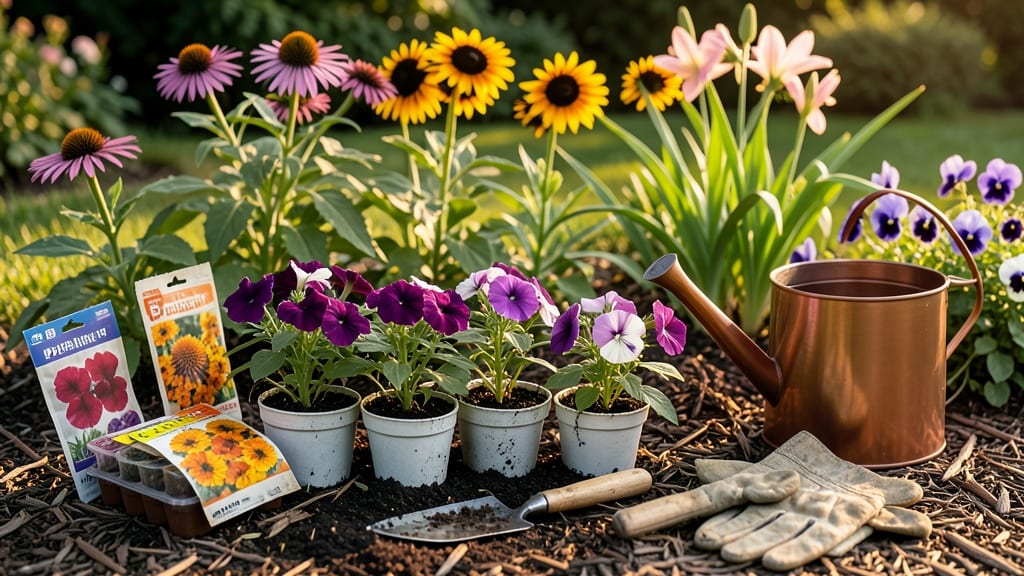
Timing your flowers planting in NH just right can mean the difference between a garden bursting with color and one that struggles through the season. New Hampshire’s shifting microclimates—from the milder coastal areas to the cooler mountain zones—make this timing even trickier than it seems.
I’ve seen firsthand how a few weeks’ difference in planting can change everything. Whether you’re growing hardy perennials that thrive in USDA Zone 4 or delicate annuals that need warmer soil, knowing the exact frost-free dates for your specific area is the key.
Let me break down what you need to know to get your garden off to the best possible start.
Most gardeners in New Hampshire wait until after the last frost—typically between mid-April and early June, depending on your location—but there’s more to it than that.
We’ll cover how to adjust for early varieties, when to plant bulbs for summer blooms, and even how to extend your growing season with simple tools. By the end, you’ll have a clear timeline tailored to your corner of the state.
Ready to transform your garden into a vibrant showcase? Let’s dive into the exact planting windows that will give you the most stunning blooms from spring through fall—no guesswork required.
New Hampshire’s frost-free dates by region: coastal vs. mountain planting windows
New Hampshire’s frost-free dates can shift by 3-4 weeks depending on whether you’re near the coastal breeze or tucked into the mountain valleys. These microclimates directly impact when you should plant your annual flowers, perennials, and spring bulbs to avoid frost damage.
Understanding your specific zone helps you time seed starting indoors and outdoor transplanting for maximum bloom potential.
For most of NH, the average last frost date falls between May 10-25, but coastal areas like Portsmouth often see frost-free conditions by April 25. Meanwhile, higher elevations in the White Mountains may not reach safety until June 1.
These variations mean your tender annuals like petunias or marigolds could face risk if planted too early in inland zones.
Here’s how to align your planting with NH’s three key microclimates—coastal, valley, and mountain—using USDA Zone 4b-5b as your guide. The table below breaks down ideal planting windows for each flower type, including adjustments for early vs. late varieties that thrive in NH’s unpredictable spring.
When planning your flower garden layout, prioritize hardy perennials like coneflowers or black-eyed Susans for mountain zones, as they tolerate cooler soils and shorter seasons. Meanwhile, coastal gardeners can experiment with tender annuals like geraniums or begonias by planting them 2-3 weeks earlier than valley counterparts.
For spring bulbs, timing is critical. Plant tulips and daffodils in fall (September-October) to establish roots before winter, but avoid planting too early—soil should still be workable but cool. In mountain regions, wait until October 1 or later to prevent bulb rot from lingering moisture.
Pro tip: Use row covers or cold frames to extend your planting window by 2-4 weeks in early spring. This low-cost trick lets you transplant tender annuals like petunias or zinnias as early as April 15 in valley zones, even if frost is still possible.
Just remove covers during the day to prevent overheating.
Always check your local NH weather forecasts in late April, as late frosts can still occur. For example, the White Mountains saw a May frost as recently as 2020, so err on the side of caution with heat-loving annuals like marigolds or sunflowers until after May 30.
If you’re starting seeds indoors, begin 6-8 weeks before your region’s last frost date. For coastal NH, that’s March 10, while mountain gardeners should wait until April 15. Use grow lights to supplement short daylight hours in early spring, ensuring strong seedlings ready for transplant.
Remember: Soil temperature matters more than air temperature. Use a soil thermometer to confirm 50°F+ for warm-season annuals like tomatoes (yes, they’re flowers too!) or 40°F+ for cool-season crops such as pansies. NH’s clay-heavy soils can stay cold longer, so amend with compost to warm up faster.
By aligning your planting with these region-specific windows, you’ll avoid the heartbreak of frost-nipped blooms and enjoy a longer, more vibrant flower season—whether you’re in a coastal cottage garden or a mountain meadow. Happy planting! 🌷
Best flowers to plant in NH by season: timing for maximum blooms
New Hampshire’s short but vibrant growing season demands smart planning to maximize flower blooms. Cool-season flowers like pansies and snapdragons thrive in early spring, while heat-loving varieties such as black-eyed Susans and daylilies need warmer soil to establish roots.
Timing your plantings ensures continuous color from May through October, even in cooler microclimates.
For annuals like marigolds and zinnias, wait until after the last frost—typically mid-May in valleys and late May in mountains. Perennials like coneflowers and asters can be planted in early spring or early fall for deeper roots before winter.
Bulbs like tulips and daffodils should go in the ground by October to naturalize and bloom early next spring.
| Flower Type | Best Planting Time | Bloom Season | NH-Specific Tip |
|---|---|---|---|
| Cool-Season Annuals (Pansies, Snapdragons) | Early spring (March-April) or fall (Sept-Oct) | Spring/Fall | Use row covers for late frosts |
| Heat-Loving Annuals (Marigolds, Zinnias) | After last frost (May-June) | Summer-Fall | Start indoors in March for earlier blooms |
| Perennials (Coneflowers, Daylilies) | Early spring or early fall | Summer-Fall | Divide clumps every 3-4 years |
| Spring Bulbs (Tulips, Daffodils) | Fall (October-November) | Spring | Plant in well-drained soil |
Don’t overlook succession planting for annuals like cosmos and sunflowers. Sow seeds every 2-3 weeks from June through July to enjoy blooms until frost. For late-summer color, try black-eyed Susans and goldenrod, which thrive in NH’s cool September temperatures and attract pollinators.
If you’re in a cooler microclimate (USDA Zone 4b), opt for hardy varieties like asters and Russian sage, which tolerate light frosts and extend your bloom season.
In warmer valleys (Zone 5b), you can push the envelope with tropical flowers like cannas by planting them after Memorial Day and digging them up before frost.
For container gardening, choose compact varieties like petunias and geraniums and plant them 2-3 weeks after your last frost date. Containers warm up faster than garden beds, giving you a 2-week head start on seasonal blooms.
Just ensure pots have drainage holes to prevent root rot in NH’s damp springs.
Pro tip: Mark your calendar with local frost dates and set reminders for spring and fall planting windows. NH’s unpredictable weather means being flexible with timing—but with this guide, you’ll have continuous color from May to October, no matter where you garden in the Granite State. 🌷