
Planting
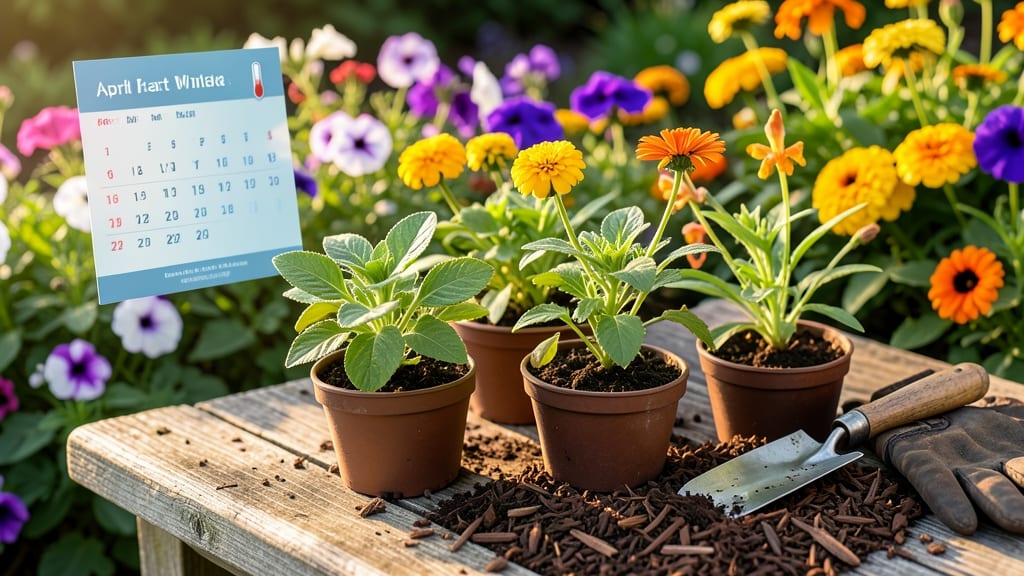
Timing your flowers in Ohio planting can mean the difference between a garden bursting with color and one that barely makes it past the first frost.
With Ohio’s USDA Zone 6a climate, you’ve got a 165-day frost-free window—but knowing exactly when to plant ensures your 🌸 blooms thrive from spring to fall.
Most Ohio gardeners wait until after the last frost—typically around mid-April—to plant tender annuals like petunias or marigolds, while hardy perennials like coneflowers can go in as early as March once the soil warms.
But fall planting is just as critical: aim for 6-8 weeks before the first frost (usually mid-October) to give cool-season flowers like pansies time to establish roots.
This isn’t just about avoiding frost—it’s about syncing your planting with Ohio’s unpredictable weather shifts. Whether you’re sowing seeds or transplanting seedlings, the right timing maximizes bloom time and minimizes stress on your plants. Let’s break down the exact month-by-month schedule that works for Ohio’s unique growing conditions.
From bulbs planted in fall for spring blooms to heat-loving summer flowers, we’ll cover everything you need to know to transform your Ohio garden into a year-round showstopper—without the guesswork. Ready to get started?
Ohio frost dates by Zone: when to plant flowers safely in 5b vs 6a
Ohio’s USDA Zones 5b and 6a create subtle but critical differences in planting timing. In Zone 5b (northern Ohio), the last spring frost typically arrives around April 15, while Zone 6a (southern Ohio) sees frost-free conditions about 2 weeks earlier.
First fall frosts hit October 15 in Zone 5b and October 22 in Zone 6a, giving southern Ohio gardeners an extra 30 days of growing season.
For annual flowers, wait until after the last frost to plant seeds or seedlings outdoors. Perennials like peonies and daylilies can handle cooler soil and often go in 2-3 weeks before the last frost date. Bulbs like tulips and daffodils should be planted in fall (October-November) for spring blooms.
Here’s how Ohio’s frost dates break down by zone, with actionable planting windows for your favorite flowers:
| Zone | Last Spring Frost | First Fall Frost | Spring Planting Window | Fall Planting Window |
|---|---|---|---|---|
| 5b (Northern OH) | April 15 | October 15 | May 1 – June 15 | September 1 – October 10 |
| 6a (Southern OH) | April 1 | October 22 | April 15 – June 30 | September 15 – October 20 |
In Zone 5b, gardeners should aim to plant cool-season flowers like pansies and snapdragons by early May to avoid late frosts. Heat-loving annuals such as marigolds and zinnias can wait until mid-May when soil temperatures exceed 60°F.
For Zone 6a, you can start 2 weeks earlier—even hardy annuals like cosmos thrive when planted by mid-April.
Fall planting in Ohio focuses on cool-season bloomers like asters and chrysanthemums, which should be in the ground 6-8 weeks before the first frost.
In Zone 5b, this means late August to early September, while Zone 6a gardeners have until mid-October. Bulbs like tulips must be planted by mid-October in both zones to establish roots before winter.
Ohio’s unpredictable weather means using frost cloth or a mini greenhouse can extend your planting window by 2-4 weeks. For example, I’ve successfully planted petunias in late April under row covers in Zone 6a, giving them a head start before removing the cover in May.
Always check the Ohio Agricultural Research and Development Center’s frost maps for real-time updates. Local garden centers often provide zone-specific advice—a quick call can save your annuals from frost bite.
Pro tip: Mark your calendar for Mother’s Day weekend (May 10-12), a traditional Ohio benchmark for safe outdoor planting in most years. By then, the risk of frost drops below 10% in both zones.
Best flowers to plant by month in Ohio: a seasonal guide
Ohio’s variable climate means your flower garden can bloom from early spring to late fall—if you plant the right flowers at the right time. In USDA Zones 5b and 6a, timing isn’t just about avoiding frost; it’s about matching each flower’s optimal temperature range with Ohio’s shifting seasons.
Let’s break down the best blooms for each month, plus the exact weeks to plant them for maximum impact.
Start with cool-season flowers like pansies and snapdragons in March, then transition to heat-lovers like black-eyed Susans and coneflowers by May. Fall plantings of mums and asters can extend your season until October’s first frost.
Each flower has its own planting window, so let’s dive into the details.
| Month | Best Flowers | Planting Window | Care Tips |
|---|---|---|---|
| March | Pansies, Snapdragons, Sweet Alyssum | Weeks 1–2 (after last frost risk) | Direct sow or transplant seedlings; mulch to retain moisture. |
| April | Tulips, Daffodils, Calendula | Weeks 3–4 (soil at 50°F+) | Plant bulbs in fall for spring blooms; stake tall varieties. |
| May | Zinnias, Marigolds, Petunias | Weeks 1–2 (soil at 60°F+) | Sow seeds directly; deadhead for continuous blooms. |
| June | Black-Eyed Susans, Coneflowers, Lavender | Transplant seedlings (avoid extreme heat) | Water deeply; mulch to conserve moisture. |
| September | Mums, Asters, Goldenrod | Weeks 1–3 (6–8 weeks before frost) | Fertilize lightly; stake tall varieties. |
For spring bloomers, like tulips and daffodils, plant bulbs in fall (October) for a head-start. These hardy flowers thrive in cool soil and often bloom before summer’s heat arrives.
In contrast, summer annuals like zinnias and marigolds need warmer soil (60°F+), so wait until late May to transplant seedlings.
Don’t overlook fall planting—it’s your secret weapon for extending Ohio’s short growing season. Mums and asters planted in September will reward you with vibrant fall color long after summer annuals fade. Just time it right: aim for 6–8 weeks before your area’s first frost (typically mid-October in Zone 6a).
Pro tip: Use Ohio’s microclimates to your advantage. Urban areas like Columbus stay warmer than rural Appalachian valleys, so adjust planting dates accordingly. For example, southern Ohio may safely plant 2 weeks earlier than northeastern zones.
Always check local frost dates from NOAA or your local Cooperative Extension for precision.
Finally, container gardening is a game-changer for Ohio’s unpredictable springs. Start pansies and violas indoors in February and move them outside after frost. This gives you earlier blooms and flexibility to shield plants from late frosts.
With this seasonal roadmap, your Ohio garden will be a nonstop floral show from March to October!