
Flowers
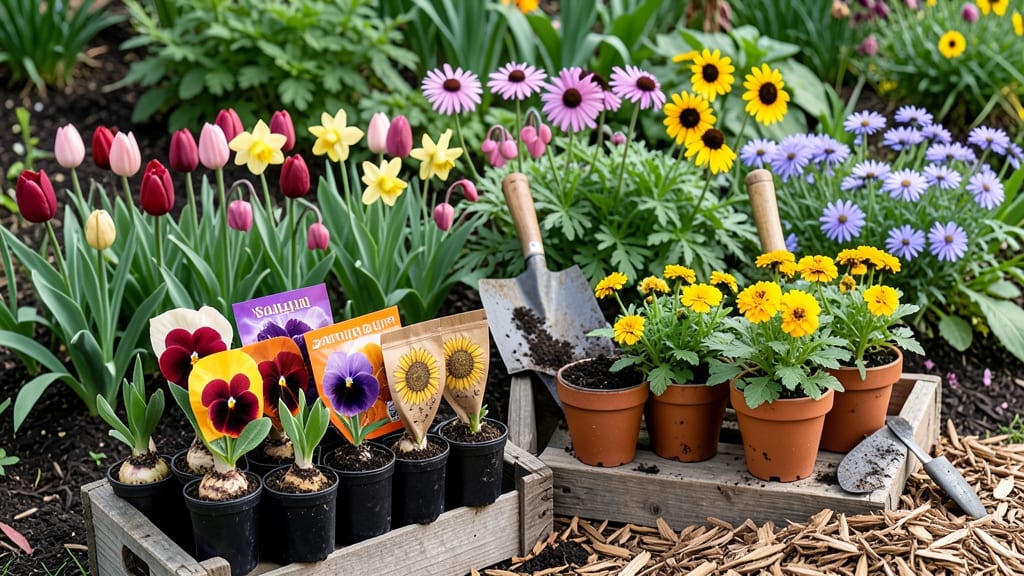
Knowing when to plant flowers in Nebraska can mean the difference between a garden bursting with color and one that never gets off the ground. With USDA Zones 5a-6b bringing unpredictable frost dates, timing is everything—especially when you want vibrant blooms all season long.
I’ve spent years testing planting schedules across Nebraska’s 5a-6b zones, and the key is understanding your last frost date (usually around April 15) and adjusting for your specific flower types. Whether you’re dreaming of 🌸 coneflowers or delicate impatiens, getting the timing right ensures stronger roots and bigger blooms.
In this guide, I’ll break down the exact planting windows for annuals, perennials, and bulbs—plus how to handle Nebraska’s tricky weather. You’ll learn which flowers thrive when planted early spring and which can wait until summer’s heat fades.
Ready to turn your Nebraska garden into a showstopper? Let’s dive into the game-changer planting schedule that works for your zone—and your blooms.
Nebraska flower planting deadlines by USDA Zone 5B/6A variety type
Nebraska’s USDA Zone 5B/6A climate means your flower planting schedule hinges on last frost dates—typically April 15 in most regions—but soil temperatures and microclimates can shift those windows. For example, Omaha’s last frost often arrives 1-2 weeks earlier than Lincoln’s due to urban heat islands.
Understanding these nuances ensures your annuals, perennials, and bulbs thrive from the first bloom.
I’ve broken down planting deadlines by flower type, including soil temperature triggers (most seeds need 40-60°F soil to germinate) and hardiness notes for Nebraska’s unpredictable springs. Pro tip: Use a soil thermometer to confirm readiness—cold, wet soil can delay germination by 2-3 weeks.
| Flower Type | Planting Window | Soil Temp | Notes |
|---|---|---|---|
| Cold-Hardy Annuals (e.g., Pansies, Snapdragons) | Early March–April 15 (after frost) | 35–45°F | Tolerate light frost; ideal for spring/fall color. |
| Heat-Loving Annuals (e.g., Marigolds, Zinnias) | May 1–June 1 (after 60°F soil) | 60–70°F | Wait until nighttime temps stay above 50°F. |
| Perennials (e.g., Coneflowers, Black-Eyed Susans) | April 15–May 15 (spring) or September 1–October 1 (fall) | 45–55°F | Fall planting reduces transplant shock. |
| Spring-Blooming Bulbs (e.g., Tulips, Daffodils) | September–October (6–8 weeks before frost) | 50–60°F | Plant in well-draining soil to prevent rot. |
| Fall-Blooming Bulbs (e.g., Crocuses, Alliums) | August–September | 55–65°F | Early planting = longer bloom time next year. |
For cold-hardy flowers like pansies or sweet alyssum, I recommend starting seeds indoors by late February to give them a head start. These varieties can handle light frosts and often bloom earlier than heat-loving annuals.
Conversely, marigolds and zinnias should wait until soil temperatures consistently hit 60°F—usually mid-May in Nebraska—to avoid stunted growth.
Perennials like coneflowers (Echinacea) and black-eyed Susans are Nebraska’s workhorses—they thrive when planted in early spring or fall. Fall planting gives roots time to establish before winter, while spring planting ensures first-year blooms.
Pro move: Amend your soil with compost before planting perennials to improve drought tolerance, a critical factor in Nebraska’s low-humidity summers.
Bulbs deserve special attention. Tulips and daffodils must be planted 6–8 weeks before frost (typically September–October) to develop strong root systems. If you miss this window, consider spring-blooming bulbs like alliums, which are more forgiving and often rebloom annually with minimal care.
One common mistake I see? Planting heat-sensitive annuals too early. For example, impatiens or coleus can suffer if exposed to below-50°F nights. To avoid this, check your local Nebraska State Climate Office for 50°F nighttime thresholds—a reliable signal that the coast is clear for these tropical beauties.
For container gardening, adjust timelines by 1–
How to adjust planting times for Nebraska’s unpredictable spring weather
Nebraska’s spring weather can be a wild card, with late frosts lingering into May or sudden temperature swings that confuse even seasoned gardeners. If you’ve ever watched your tender seedlings wilt overnight after a surprise frost, you know the stakes.
The key to success? Flexible planting strategies that account for your local microclimate—whether you’re in Omaha’s urban heat islands or Lincoln’s cooler plains.
Start by monitoring local frost dates from resources like the Nebraska State Climate Office or your county extension office. While the average last frost date for most of Nebraska is around April 15, a late frost can push this back 2–3 weeks.
For example, in Omaha (Zone 5B), I’ve seen frost creep into early May, while Scottsbluff (Zone 4B) can experience frost as late as May 10.
Row covers and cold frames are my go-to tools for extending planting windows. A lightweight frost cloth can protect seedlings from 28°F temperatures, giving you an extra 2–4 weeks of planting time. For example, if you’re eager to plant petunias in early April, a row cover can shield them until soil temperatures consistently stay above 50°F.
If your area has a history of late frosts, avoid planting heat-sensitive annuals like marigolds or geraniums until May 1. Even hardy perennials like coneflowers can suffer if planted too early. Use a soil thermometer—most seeds need 55–65°F soil to germinate reliably.
For gardeners in Zone 6A (e.g., Lincoln or Kearney), you might have a slightly longer window, but don’t rush. Slow-growing perennials like peony or daylily can be planted in early spring (March–April), but tender annuals like impatiens should wait until after May 15 to avoid frost damage.
Pro tip: Plant fast-growing annuals like bachelor’s buttons in successive batches every 2 weeks to stagger blooms and minimize risk.
Indoor starts are another game-changer for Nebraska gardeners. Begin cool-season crops like pansies or snapdragons indoors 6–8 weeks before your last frost date. This gives you a head start and lets you transplant hardened-off seedlings into the garden earlier than direct-sown seeds.
Just be sure to acclimate plants gradually to outdoor conditions to avoid transplant shock.
Finally, keep an eye on soil moisture—dry springs can delay germination even if temperatures are ideal. Mulch heavily after planting to retain moisture and regulate soil temperature. In my garden, I’ve found that straw mulch works best for annuals, while wood chips suit perennials better.
Adjust your watering schedule based on rainfall patterns; Nebraska’s spring can swing from drought-like conditions to sudden downpours.
With these strategies, you can turn Nebraska’s unpredictable spring into an advantage. Start with hardy perennials, use protective covers for tender plants, and stay flexible—your garden will thank you with bold, vibrant blooms all season long. 🌱