
Plants
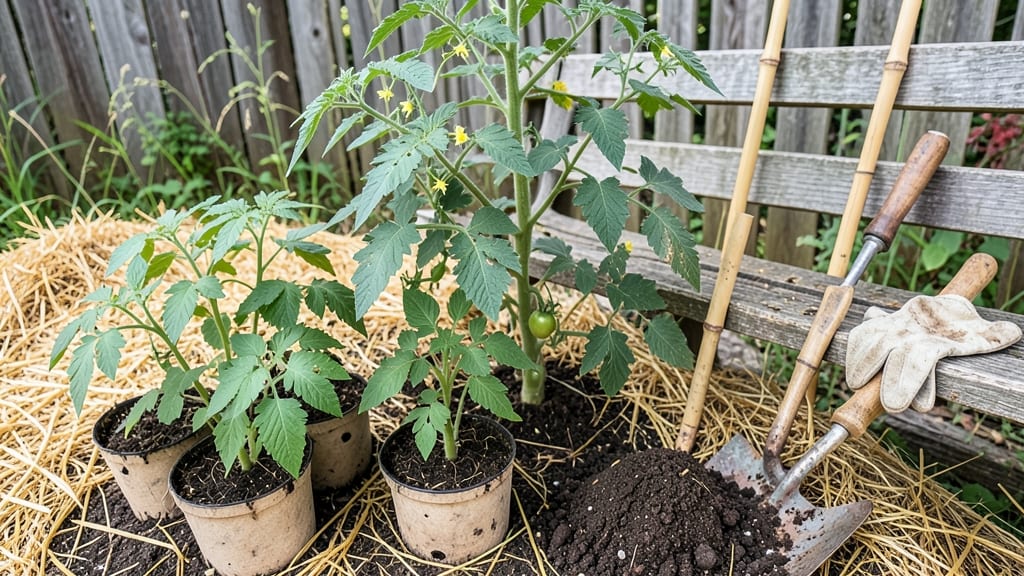
When to plant fall tomatoes in Louisiana isn’t just about the calendar—it’s about beating the heat and the frost. Plant too early, and your 🍅 plants will bolt before producing fruit; too late, and a surprise freeze wipes out your harvest. The sweet spot? Late July to early September, when soil temperatures drop just enough to slow stress while still giving your tomatoes 60-70 days to mature before winter sets in.
Here’s the catch: Louisiana’s 8a-9b zones create microclimates where a parish just 50 miles away might have a 2-week difference in frost risk. That means what works for Shreveport (Zone 8a) could fail in New Orleans (Zone 9b).
I’ll break down the exact windows by region—plus how to adjust for heat spikes and early cold snaps—so you can plan with confidence.
Beyond dates, the key is variety selection. Heat-loving tomatoes like ‘Celebrity’ or ‘Heatmaster’ thrive when others wilt, but even they need the right soil prep and watering tricks to stretch the season. We’ll cover mulching, shade strategies, and when to dial back fertilizer to keep your plants productive until December.
Ready to turn Louisiana’s long growing season into a tomato bonanza? Let’s dive into the data—and the dirt—to ensure your fall harvest is the best yet.
Louisiana parish heat tolerance chart: best fall tomato planting dates by region
Louisiana’s diverse climate means your fall tomato planting window depends heavily on which parish heat zone you’re in. Northern parishes like Natchitoches (Zone 8a) face earlier frosts, while southern areas like Lafayette (Zone 9a) can push tomatoes later.
The key? Planting 6-8 weeks before your first frost date—but not so early that 90°F+ heat stresses seedlings.
For Zone 8a parishes (e.g., Shreveport, Monroe), aim for mid-August to early September planting. In Zone 9a/9b (New Orleans, Baton Rouge), you’ve got flexibility until early October. Always check your local frost dates—a 30-day buffer ensures mature harvests before December’s first frost.
Here’s the heat tolerance breakdown for Louisiana’s three main regions, including soil temperature thresholds (tomatoes thrive at 70-85°F) and variety recommendations for each zone.
| Region | Parish Examples | Planting Window | First Frost | Soil Temp Threshold (°F) | Top Varieties |
|---|---|---|---|---|---|
| North (Zone 8a) | Natchitoches, Shreveport, Monroe | Mid-August – Early Sept | Dec 1 | 70-80°F | Celebrity, Early Girl |
| Central (Zone 8b) | Alexandria, Lafayette, Baton Rouge | Late July – Mid-Sept | Dec 15 | 75-85°F | Better Boy, Heatmaster |
| South (Zone 9a/9b) | New Orleans, Houma, Lake Charles | Early Aug – Early Oct | Jan 15 | 75-90°F | Solar Fire, Cherokee Purple |
Notice how southern parishes can plant 6 weeks earlier than northern ones? That’s because Zone 9b’s later frost date (January 15) gives you a 100-day growing window—plenty of time for heirloom varieties like ‘Cherokee Purple’ (85 days to maturity).
In contrast, Zone 8a’s shorter window demands fast-maturing hybrids (60-70 days) to avoid frost.
Pro tip: Use black plastic mulch in northern parishes to warm soil faster and extend the season by 2-3 weeks. In southern areas, shade cloth (30%) protects seedlings from post-hurricane heat spikes that can exceed 100°F.
For microclimates (e.g., urban heat islands in New Orleans or cooler river valleys like the Red River), adjust planting dates by 1-2 weeks. Check your local Cooperative Extension Service for parish-specific data—some areas, like Caddo Parish, have earlier frosts than their zone suggests.
One critical mistake? Planting too late and relying on slow-maturing varieties. If you miss the August window, opt for ‘Solar Fire’ tomatoes (heat-tolerant and 55 days to harvest) instead of ‘Brandywine’ (90 days).
Ready to map your parish’s heat zone? Download this free frost date calculator from LSU AgCenter, then cross-reference with your soil temperature (use a soil thermometer at 6-inch depth for accuracy).
🌱
How to extend your fall tomato season: soil prep, mulching, and heat-stress prevention
Louisiana’s summer heat lingers into September, making fall tomato growth a delicate balance. The key to success? Preparing your soil and protecting plants from heat stress before the first frost.
Start by testing your soil’s pH (6.0–6.8) and adding compost or aged manure to improve drainage—compacted soil traps heat, stressing roots. Aim to plant 6–8 weeks before your local frost date to ensure mature fruit before winter sets in.
Black plastic mulch is my go-to for heat retention—it warms soil by 10–15°F, giving seedlings a head start. Lay it down 2–3 weeks before planting and cut X-shaped holes for transplants. For organic gardeners, straw mulch works too but requires thicker layers (4–6 inches) to match the heat effect. Pair this with drip irrigation to keep foliage dry and prevent fungal diseases like early blight.
Shade cloth isn’t just for heat—it also reduces sunscald on fruit. Stake plants early and drape cloth loosely over them after 2 PM when UV intensity peaks. Choose heat-tolerant varieties like ‘Solar Fire’ or ‘Heatmaster’ to complement your shade efforts. These varieties handle 90°F+ days better than standard tomatoes, giving you a 2–3 week extension in the growing season.
Soil temperature is often overlooked but critical. Use a soil thermometer—ideal planting temps are 70–85°F. If your soil runs cooler (common in North Louisiana), black plastic mulch + clear plastic tunnels can raise temps by 20°F. Avoid over-fertilizing with nitrogen-heavy mixes; instead, opt for a balanced 10-10-10 fertilizer to encourage fruiting over leafy growth.
Mulch thickness matters: A 4-inch layer of straw keeps roots cool while retaining moisture. Replenish it every 4–6 weeks as it decomposes. Pair this with weekly mulch checks—compacted mulch blocks airflow and invites pests. For raised beds, add perlite or vermiculite to improve aeration and heat dissipation. These tweaks can push your harvest 10–14 days later than unmulched beds.
Finally, prune strategically. Remove suckers (side shoots) to focus energy on fruit, but leave one or two leaves below the fruit cluster to protect against sunscald. Harvest regularly—ripe tomatoes compete with unripe ones for nutrients, slowing growth.
With these steps, you’ll enjoy tomatoes well into November in most of Louisiana, even in cooler zones like Natchitoches or Shreveport.