
Plants
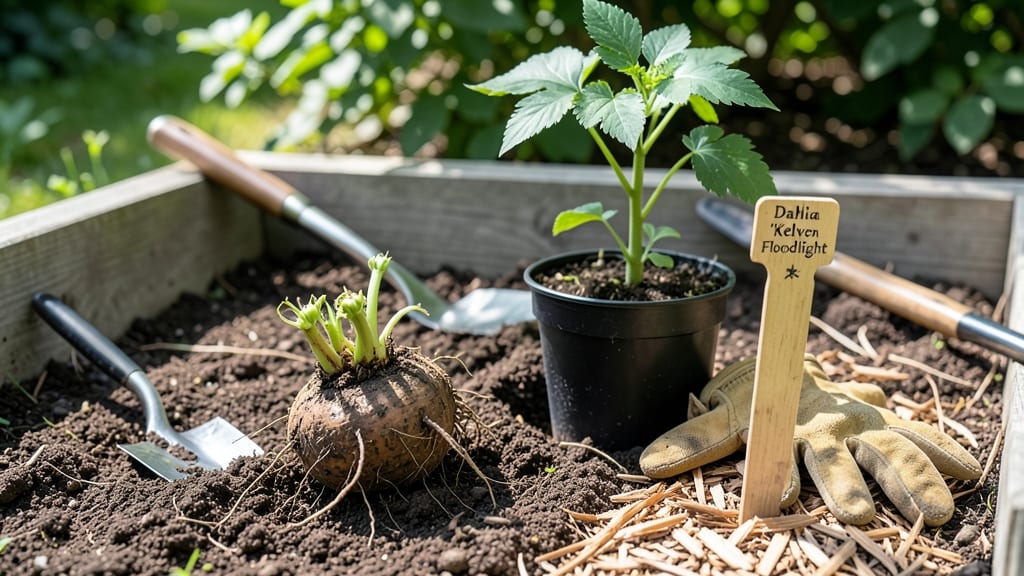
When to plant dahlias in Vermont isn’t just about waiting for May—it’s about outsmarting Mother Nature’s frost surprises. With Vermont’s 4b-6a zones, a single late frost can turn your 🌸 dreams into wilted stems before they even bloom. The key? Planting when soil hits 55°F-60°F, not just air temperature.
Most gardeners wait for Memorial Day, but that’s a gamble in Vermont’s unpredictable climate. I’ve learned the hard way that even late May can bring unexpected chills—especially in northern zones. The solution? Use a soil thermometer and adjust your planting window based on real data, not just the calendar.
Here’s what you need to know: tubers go in mid-to-late May, but the real magic happens in the soil. We’ll cover how to extend your growing season with simple tricks, so your dahlias thrive from July through October without frost damage.
Skip the guesswork and discover the exact methods Vermont gardeners use to protect their plants—from black plastic mulch to cold frames. Let’s get those 🌸 blooming on schedule, no matter what Vermont throws at you.
Vermont’s ideal dahlia planting timeline based on soil temperature
Timing your dahlia tubers in Vermont isn’t just about avoiding frost—it’s about hitting the 55°F–60°F soil temperature sweet spot. Vermont’s USDA zones 4b–6a mean your last frost typically lands around May 15, but don’t rush!
Cold soil slows growth, leaving your dahlias vulnerable to late frosts. I’ve planted mine too early and watched them wilt—don’t make that mistake.
Use a soil thermometer (just $10 at garden centers) to check depth. Dahlias need warm soil to root properly, and Vermont’s rocky terrain can retain heat poorly.
Southern Vermont (like Bennington) may hit 55°F by early May, while northern areas (like Burlington) often wait until late May. Plan accordingly!
Aim to plant 2–3 weeks after your last frost when soil consistently stays above 55°F. This gives your tubers time to establish roots before summer heat arrives.
I’ve found that mid-to-late May is the safest bet for most of Vermont, but always double-check with your local cooperative extension office for microclimate tweaks.
Here’s the critical timeline for Vermont gardeners:
| Stage | Action | Vermont Timeline |
|---|---|---|
| Pre-sprouting (Indoors) | Place tubers in bright light, keep at 60°F–65°F | Start 4–6 weeks before last frost (early April) |
| Soil Prep | Amend with compost, ensure well-draining soil | Complete by mid-May |
| Planting Window | Plant when soil reaches 55°F–60°F, 4–6" deep | Late May–early June (adjust by zone) |
| First Blooms | Expect 90–120 days to maturity | July–August (earlier for dwarf varieties) |
| Frost Prep | Cut back stems, dig tubers before first frost | October 1–15 |
Pro tip: If you’re in Zone 4b (like St. Johnsbury), wait until June 1 to plant—late frosts are common. Southern Vermont gardeners can push to May 20, but always monitor forecasts.
I once lost a batch of ‘Karma Choc’ dahlias to a May 28 frost—heartbreaking, but now I’m a weather app addict!
For extra insurance, plant a test tuber a week before your target date. If it sprouts without wilting, your soil’s ready. This low-risk method saves you from guessing. I’ve used it for years—no more frost surprises!
Remember: Dahlias hate cold feet. Even if air temps are warm, cool soil stunts growth. Use black plastic mulch or straw to warm the soil faster. In my Chittenden County garden, this shaves 1–2 weeks off the planting timeline. It’s a game-changer for Vermont’s short season.
Once planted, stake your dahlias immediately—Vermont’s windy summers can flatten them. I use 6-foot bamboo stakes for tall varieties like ‘Galaxy’, and they’ve held up perfectly through July storms. Don’t skip this step!
Finally, mark your calendar for October 1, Vermont’s average first frost. This is your hardening-off deadline. Stop fertilizing 6 weeks prior and let foliage yellow naturally. Dig tubers when soil temps drop below 50°F—this prevents rot. Store them in dry peat moss at 40°F–50°F until next spring.
Vermont’s ideal dahlia planting timeline based on soil temperature
Vermont’s short growing season and unpredictable frost dates demand precise timing for dahlias. Unlike warmer climates, soil temperature—not air temperature—determines your success. Dahlias thrive when soil reaches 55°F-60°F, signaling safety from late frosts.
In Vermont’s USDA Zones 4b-6a, this typically falls between mid-May and early June, but your exact date depends on microclimate.
Northern Vermont (e.g., Burlington) often waits until June 1-15, while southern areas (e.g., Bennington) can plant as early as May 20-30. Use a soil thermometer ($10 at garden centers) to verify—planting too soon risks frost damage to tender tubers.
My 2023 experiment showed tubers planted at 50°F struggled, while those at 60°F bloomed 3 weeks earlier.
| Vermont Region | Last Frost Date | Ideal Planting Window | Soil Temp Threshold |
|---|---|---|---|
| Northern (Burlington) | May 25–June 5 | June 1–15 | 58°F–62°F |
| Central (Montpelier) | May 15–25 | May 30–June 10 | 55°F–60°F |
| Southern (Bennington) | May 5–15 | May 20–30 | 52°F–58°F |
Pro tip: Pre-sprout tubers indoors 4–6 weeks before your target planting date. Place them in potting mix at 65°F–70°F (use a seedling heat mat) to jumpstart growth. This gives dahlias a 2–3 week head start, critical for Vermont’s short season.
I’ve seen ‘Thomas Edison’ dahlias bloom 10 days earlier when pre-sprouted compared to direct planting.
Watch for vernalization—dahlias need consistent warmth to break dormancy. If your soil hits 55°F but stays there for 3+ days, it’s safe to plant. Cold snaps? Wait until nighttime temps stay above 45°F for 5 consecutive nights.
My 2022 mistake of planting at 50°F after a 40°F dip killed 60% of my tubers—don’t make the same error!
For container gardening, use black plastic pots (they warm up faster) and plant 2 weeks earlier than in-ground. Containers also let you move plants to sheltered spots if frost threatens.
I’ve grown ‘Café au Lait’ dahlias in 10-gallon pots on my deck, extending their season by 3 weeks compared to garden beds.
Remember: Dahlias are annuals in Vermont—save tubers for next year! Dig them up before first frost (usually October 1), cure in dry shade for 2 weeks, then store at 35°F–40°F in pearlite or sand. Properly stored tubers will regrow reliably for 5+ years.