
Plants
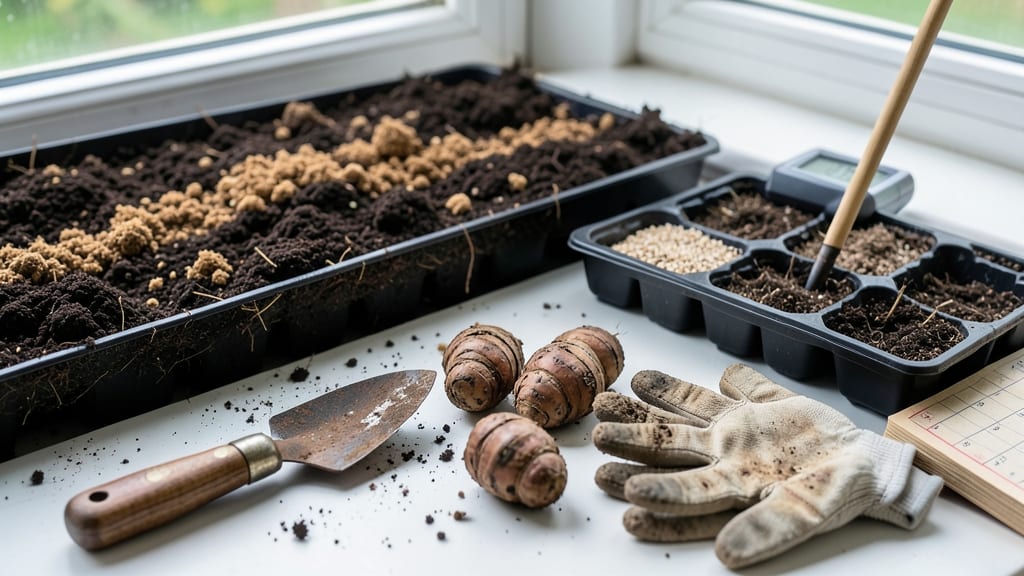
If you're dreaming of a garden bursting with vibrant 🌼 dahlias this summer, timing your planting in Vancouver’s 8a climate is the key to success. The mild coastal weather might seem forgiving, but those late spring chills can still sneak in and damage tender tubers if you plant too early.
Most gardeners in Vancouver wait until mid-May to early June when soil temperatures consistently reach 60°F (15°C) and frost risk has passed. This window gives your dahlias the head start they need before Vancouver’s rainy summers kick in.
But here’s the thing: even with our 165 frost-free days, a single late frost can set you back. I’ll show you exactly how to time your planting, prepare your soil, and protect your dahlias from Vancouver’s unpredictable weather patterns.
Let’s dive into the step-by-step guide that’ll have your dahlias thriving from July through October—because in this climate, preparation is everything.
Best planting window for dahlias in Vancouver’s coastal microclimates
Planting dahlias in Vancouver requires precise timing to avoid late spring frosts that can kill tender tubers. Unlike inland areas, Vancouver’s coastal climate creates microclimates where the North Shore stays cooler longer than the Lower Mainland.
This means your planting window might shift by 2-3 weeks depending on your neighborhood.
For most of Vancouver, the ideal planting window is between mid-May and early June, but this depends on soil temperatures and frost risk. The last average frost date is around April 15, but late frosts can occur until mid-May.
To succeed, wait until the soil reaches 60°F (15°C)—a critical threshold for tuber growth.
Here’s how to determine your exact planting window based on Vancouver’s USDA Zone 8a and local microclimates:
| Zone/Location | Last Frost Date | Ideal Planting Window | Soil Temp Threshold | Risk Level |
|---|---|---|---|---|
| Lower Mainland (e.g., Richmond, Surrey) | April 10–15 | Late May | 60°F (15°C) | Low |
| North Shore (e.g., North Vancouver, West Vancouver) | May 1–10 | Early June | 60°F (15°C) | Medium |
| Vancouver Downtown/West End | April 15–20 | Mid-May | 60°F (15°C) | Low-Medium |
| Eastern Vancouver (e.g., Burnaby, Coquitlam) | April 20–May 1 | Late May | 60°F (15°C) | Medium |
If you’re unsure about your local frost risk, use a soil thermometer to confirm temperatures. Planting too early in cooler zones like the North Shore can stunt growth, while waiting too long in warmer areas like Richmond may reduce bloom time before fall frosts arrive.
Pro tip: Start tubers indoors in early April to give them a head start. Use small pots with well-draining soil and place them near a sunny window. By mid-May, your dahlias will be ready to transplant outdoors once the soil warms up.
Vancouver’s wet summers mean dahlias need well-draining soil to prevent root rot. Amend your garden beds with compost or sand if your soil feels heavy. A 5-inch layer of mulch will also help retain moisture and regulate soil temperature.
Remember, dahlias are tender perennials—they die back in frost but can be dug up and stored for next year. In Vancouver, this means you’ll need to lift tubers before the first frost, usually around mid-October.
Plan your planting window with this in mind to maximize your growing season.
For extra insurance, choose early-blooming varieties like ‘Café au Lait’ or ‘Bishop’—they’ll reward you with flowers even if planted slightly later. These varieties are also more frost-tolerant than delicate types like ‘Galaxy’ or ‘Karma Choc.’
🌼
How to extend dahlias’ growing season in Vancouver’s unpredictable spring
Vancouver’s coastal climate brings late spring frosts that can catch even experienced gardeners off guard. Dahlias are particularly vulnerable, as their tubers need consistent warmth to establish roots.
The key to success is extending your planting window by 3-4 weeks using simple protective strategies tailored to Vancouver’s USDA Zone 8a conditions.
I’ve found that combining cold frames, row covers, and strategic transplanting can push your dahlias into the ground safely by early April—sometimes even late March—in sheltered microclimates. This approach gives you a 6-8 week head start on blooms compared to traditional mid-May planting.
For maximum protection, I recommend starting tubers indoors under grow lights 8-10 weeks before your target outdoor date. This allows you to harden off seedlings while monitoring Vancouver’s unpredictable frost forecasts through platforms like Environment Canada.
🌱 Top 5 Strategies to Extend Dahlias’ Season in Vancouver
- 🌡️ Cold Frame Method: Plant tubers in early April under clear plastic covers. Soil warms 5-10°F faster than open ground, accelerating root growth.
- 🛡️ Row Covers: Use frost cloth (rated to 28°F) over young plants until May 15. Secure edges with bricks to prevent wind damage.
- 🌱 Transplant Timing: Move potted starts outdoors after May long weekend when night temps consistently stay above 45°F.
- 🔥 Heat Mats: Place self-regulating heat mats under containers to maintain 60°F soil temps during chilly spells.
- 🌿 Mulch Thickly: Apply 4-6 inches of straw mulch after planting to insulate roots and retain moisture during Vancouver’s cool, damp springs.
One common mistake I see is rushing to plant tubers too early. Dahlias won’t sprout until soil reaches 60°F (15°C), and Vancouver’s North Shore areas often lag behind the Lower Mainland by 1-2 weeks in warming up.
Use a soil thermometer to confirm readiness—this simple tool has saved me from multiple failed plantings.
For container gardeners, I recommend using black plastic pots (they absorb heat) and placing them on patio heaters during overnight chills. This creates a microclimate that mimics summer conditions, letting dahlias thrive 2-3 weeks earlier than in-ground plants.
Remember that Vancouver’s coastal fog can delay warming by several days. Monitor your garden’s specific microclimate—southern exposures warm 3-5 days faster than northern ones. Adjust your timing accordingly to avoid frost damage to emerging shoots.