Companion Plants
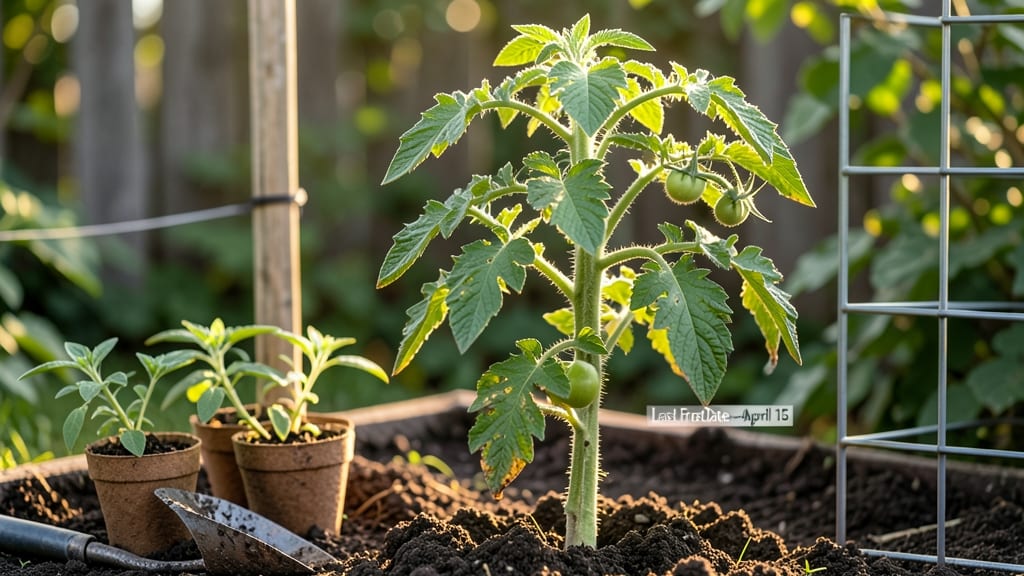
When do I plant tomatoes in North Carolina?—it’s the question that separates the gardeners who feast on sun-ripened fruit from June to October and those who end up with wilted seedlings or empty vines. Timing your 🍅 tomato planting isn’t just about checking a calendar; it’s about outsmarting frost, heat, and the quirks of NC’s diverse climate that can make or break your harvest. Skip the guesswork, and you could end up with stunted plants—or worse, no tomatoes at all. But get it right, and you’ll enjoy a bountiful harvest, whether you’re in the Coastal Plain, Piedmont, or the Mountains. The key to success lies in knowing your last frost date (which varies wildly across NC’s zones 7a–8b) and adjusting for microclimates that can shift planting windows by weeks. Whether you’re starting seeds indoors in March or transplanting seedlings after May 15, the right move depends on where you live—and how you’re willing to protect your plants from late cold snaps. Let’s break down the exact steps to plant your tomatoes at the perfect moment for your corner of the state. You might think all tomatoes thrive the same way, but NC’s climate demands variety—both in planting schedules and in the types of tomatoes you choose. Early Girl for short seasons? Solar Fire for Piedmont heat? We’ll cover the best picks for your region, plus pro tips to extend your growing season with row covers or black plastic mulch. Ready to turn your garden into a tomato powerhouse? Let’s dive in. This isn’t just theory—it’s a battle plan for zero-frost failures. I’ll walk you through soil prep, transplanting tricks, and even how to read your local weather patterns like a pro. By the end, you’ll know exactly when to plant, what to plant, and how to keep your tomatoes thriving until the first frost—because in NC, timing is everything.
NC frost dates by region: when to plant tomatoes for maximum yield
North Carolina’s diverse climate means your tomato planting window can vary by hundreds of miles. The state spans USDA Zones 7a-8b, with the Coastal Plain enjoying earlier springs than the Mountains.
Knowing your last frost date is critical—plant too early, and frost will kill seedlings; too late, and you’ll miss peak production. Let’s break down the best times to plant by region.
For most of NC, April 15–May 15 is the sweet spot for transplanting seedlings, but coastal areas can start as early as March 15 in sheltered spots.
The key is waiting until soil temps hit 60°F+ and nighttime temps stay above 50°F. Use a soil thermometer to confirm—tomatoes hate cold feet!
Here’s how to adjust your planting schedule based on where you live in NC:
| Region | Avg. Last Frost | Ideal Planting Window | Soil Temp Threshold | Notes |
|---|---|---|---|---|
| Coastal Plain (e.g., Wilmington, Morehead City) | March 1–15 | March 20–April 15 | 60°F+ | Humidity can cause fungal issues; use spacer plants. |
| Piedmont (e.g., Raleigh, Greensboro) | March 15–30 | April 15–May 1 | 60°F+ | Best for heat-tolerant varieties like ‘Celebrity’. |
| Mountains (e.g., Asheville, Boone) | April 15–May 1 | May 10–20 | 65°F+ | Shorter season; choose early-maturing varieties. |
| Sandhills (e.g., Fayetteville) | March 10–25 | April 1–15 | 60°F+ | Well-draining soil; mulch heavily to retain moisture. |
If you’re unsure about your exact last frost date, check the NC State Extension’s frost calculator or use a frost-free date map. Pro tip: Plant fast-maturing varieties like ‘Stupice’ (50 days) if you’re in a Zone 7a area with a shorter season.
These can even handle a late frost if they’re young enough.
For container gardening, start seedlings indoors 6–8 weeks before your last frost date. Containers warm up faster than soil, so you can transplant 1–2 weeks earlier than in-ground plants. Just ensure your pots have drainage holes and use a lightweight potting mix.
Don’t forget about fall planting! In NC’s warmer zones (Coastal Plain, Piedmont), you can sow heat-tolerant varieties like ‘Solar Fire’ in late July–early August for a fall harvest. The goal is to get seeds in the ground 80–90 days before your first frost (usually November 15).
To extend your season in cooler microclimates, use row covers or cold frames to protect seedlings until soil warms. These can push your planting window back by 2–4 weeks without risking frost damage. Just remove covers during the day once temps rise above 70°F to prevent overheating.
Always monitor your local weather forecasts the week before planting. A late frost warning might mean delaying transplanting by 10–14 days—better safe than sorry with $3 seedlings!
🌱
Microclimate adjustments: how elevation and local conditions affect planting time
North Carolina’s diverse geography means your tomato planting schedule can vary by hundreds of miles. The Coastal Plain enjoys warmer springs, while the Mountains face late frosts—sometimes until May 15 or later. Even within cities, urban heat islands can push planting dates 2 weeks earlier than rural areas.
For example, Asheville (Zone 7a) often waits until May 1 to plant, while Wilmington (Zone 8a) can start as early as March 15. If you’re unsure, check your local NC State Extension office for precise frost data—it’s the best way to avoid frost damage to young seedlings.
🔍 Visual Element: Callout-Warning (insert below)
⚠️ Late Frost Risk: Don’t Rush!
Even if your neighbor plants in April, a late frost can wipe out your tomato seedlings in minutes. Use these adjustments:
- Mountains: Wait until May 15 or use row covers.
- Piedmont: Plant April 15–May 1 after soil hits 60°F.
- Coastal: Start as early as March 15 with black plastic mulch.
Local conditions like proximity to water or urban pavement also play a role. Gardens near lakes or rivers may warm up faster, while shaded areas under trees can delay planting by 1–2 weeks.
Test your soil temperature with a soil thermometer—it should stay above 55°F for 7+ days before transplanting.
If you’re in a cooler microclimate, consider starting seeds indoors 6–8 weeks before your last frost date. This gives you a 2-week head start on the season. For example, Boone (Zone 6b) gardeners often start seeds in February to transplant by May 1.
For heat-loving varieties like ‘Solar Fire’, you can even try a second planting in June for a fall harvest. Just be prepared to mulch heavily and water consistently to protect roots from summer heat. The key is adapting to your specific corner of NC—not following a one-size-fits-all calendar.
🌱 Pro Tip: Keep a planting journal for 2–3 years to track your local frost patterns. Over time, you’ll spot trends that almanacs miss—like that cherry blossom peak in your town signaling safe planting.