
Plants
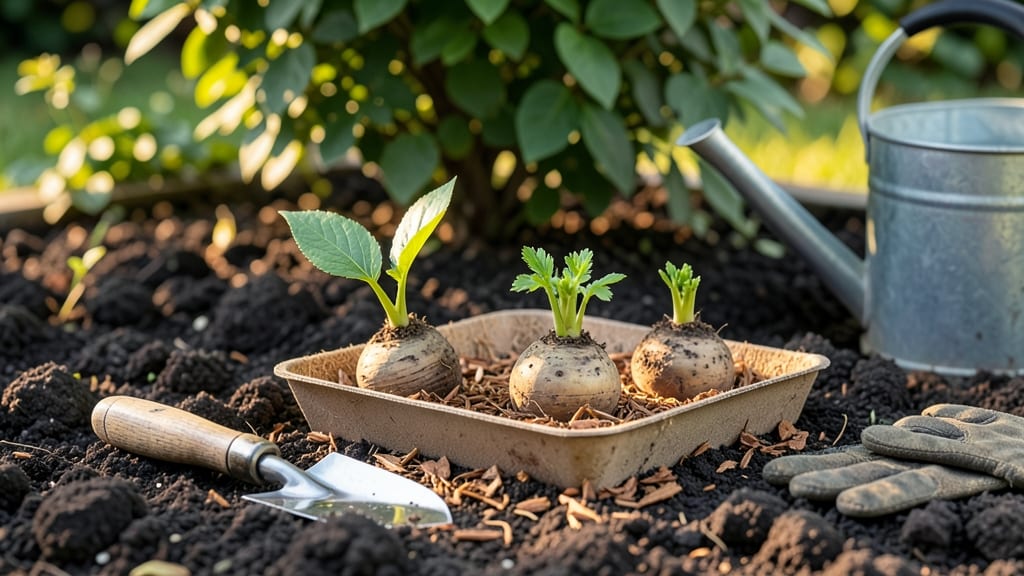
Timing your dahlias planting in Southern California can mean the difference between a showstopping summer garden and a sad, wilted disappointment. With 300+ frost-free days in zones 9b-11, you’ve got a long growing window—but getting those tubers in the ground at the wrong moment risks bolting or stunted growth.
Most gardeners here assume "spring" means March, but the real magic window starts 2-4 weeks later, when soil temps hit 60°F and coastal fog lifts. That’s when your dahlias 🌸 will take off without racing to bloom too soon.
I’ll break down exactly when to plant in your specific microclimate—whether you’re in the LA Basin, Inland Empire, or desert regions.
You’ll also discover the 3 critical signs your soil’s ready (hint: it’s not just about calendar dates) and how to prep tubers for Southern California’s unique heat spikes. Skip the guesswork and get vibrant blooms from July through October—no more waiting until it’s too late!
Let’s dive into your frost-free planting timeline so you can enjoy dahlias that thrive all season long. Whether you’re a first-time gardener or a seasoned pro, these insights will save you time, money, and frustration.
Optimal dahlias planting window in Southern California by microclimate
Southern California’s diverse microclimates—from coastal fog belts to desert heat—create unique frost-free windows for dahlias. Unlike northern climates, SoCal’s USDA Zones 9b-11 mean no frost risk after December 15, but soil temperature and heat spikes dictate the perfect planting window. Aim for March-April when soil reaches 60°F consistently.
Coastal areas like Malibu or San Diego enjoy cooler temps, allowing earlier planting (late February). Inland zones like Riverside or Palm Springs should wait until mid-April to avoid heat stress on young tubers. The LA Basin (Zone 10a) sits in the middle, with March 15 as the sweet spot.
Here’s your microclimate-specific planting guide to avoid bolting and ensure vibrant summer blooms:
| Microclimate | Ideal Planting Window | Soil Temp Threshold | Key Cue |
|---|---|---|---|
| Coastal (Zone 9b) | Late February–Early March | 55–60°F | Morning fog lifts by 10 AM |
| LA Basin (Zone 10a) | Mid-March–Early April | 60–65°F | Daytime highs hit 70°F |
| Inland Empire (Zone 10b) | Late March–Mid-April | 65–70°F | Nighttime lows stay above 50°F |
| Desert (Zone 11) | Mid-April–Early May | 70–75°F | Shade cloth (30%) for first 2 weeks |
For coastal gardeners, watch for morning frost pockets—even in Zone 9b, Santa Barbara’s coastal foothills can dip to 32°F in rare cold snaps. Use row covers if planting in late February.
Inland areas should avoid planting before March 15; tubers may rot in cold, wet soil.
Heat-loving varieties like 'Café au Lait' or 'Thomas Edison' thrive in desert climates but need shade cloth for the first 2–3 weeks to prevent leaf scorch. Dwarf varieties (1–2 ft tall) like 'Mignon' series are ideal for coastal containers and tolerate salt spray.
Pro tip: Test soil temperature with a soil thermometer—dahlias won’t sprout until soil hits 60°F. In slow-warming areas (e.g., Big Sur), opt for pre-sprouted tubers to jumpstart growth. Mulch with straw after planting to lock in moisture and regulate soil temp.
Miss the March-April window? Don’t panic—May planting still works for heat-tolerant varieties, but expect slower establishment and fewer blooms before winter. For zero-bolt dahlias, prioritize timing over variety—even cold-hardy types like 'Bishop' need warm soil to thrive.
🌸
Optimal dahlias planting window in Southern California by microclimate
Southern California’s diverse microclimates—from coastal fog belts to inland deserts—create wildly different planting windows for dahlias. Coastal areas like San Diego and Santa Barbara can plant 2-4 weeks earlier than inland zones, while desert regions like Palm Springs must wait until late April to avoid heat stress.
The key is soil temperature, not just air temperature: dahlias thrive when soil reaches 60°F (15°C) at a depth of 6 inches.
Use your local frost dates as a baseline, but don’t rely on them alone. In USDA Zones 9b-11, the last frost typically occurs between December 15 and January 15, but coastal areas may never experience frost.
Instead, track soil warmth using a soil thermometer or plant when daytime highs consistently exceed 70°F (21°C)—usually mid-March to early April for most SoCal regions.
Here’s how to align your planting with Southern California’s three dominant microclimates for zero-bolt, long-lasting blooms:
| Microclimate | Ideal Planting Window | Soil Temp Threshold | Key Risks |
|---|---|---|---|
| Coastal (San Diego, Santa Barbara) | Late February - Early March | 58°F (14°C) | Coastal fog delays warming; overwatering risk |
| Inland Empire (Riverside, San Bernardino) | Mid-March - Early April | 60°F (15°C) | Rapid temperature swings; poor soil drainage |
| Desert (Palm Springs, Coachella) | Late April - Early May | 65°F (18°C) | Extreme heat stress; low humidity |
| LA Basin (Los Angeles, Ventura) | Early March - Mid-April | 60°F (15°C) | Urban heat islands; compacted soil |
For coastal gardeners, start tubers indoors in late January to give them a head start, but harden them off before transplanting.
Inland and desert regions should avoid planting before April—dahlias bolt (prematurely flower) when stressed by heat or cold snaps. Pro tip: Use black plastic mulch to warm soil faster in cooler zones like the Central Coast.
Once planted, dahlias need 6-8 weeks of warm soil to establish roots before flowering. In desert climates, provide afternoon shade for the first 2 weeks to prevent heat shock. For coastal fog-prone areas, choose dwarf varieties like ‘Café au Lait’ or ‘Thomas Edison’ to reduce bolting risks.
Remember: SoCal’s long growing season means you can extend dahlias’ life by cutting back foliage in late fall and storing tubers for replanting next year. But get the timing right now, and you’ll enjoy continuous blooms from July through October—no frost to cut your season short! 🌸