
Plants
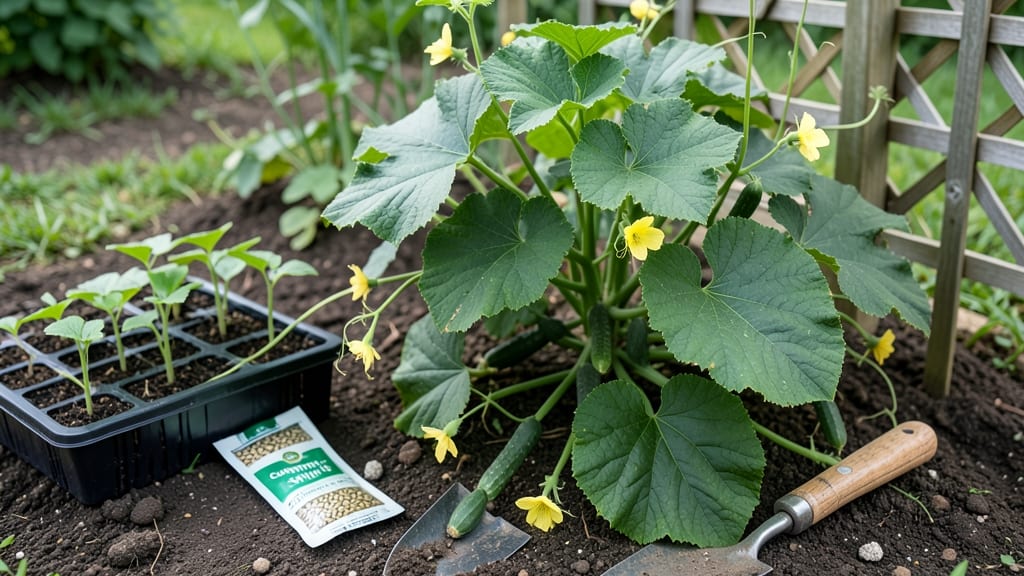
Timing your cucumber planting in South Texas can mean the difference between a bountiful harvest and a sad, bolted plant. The key isn't just following a calendar—it's watching soil temperatures, which can vary wildly even within the same month.
With 9a-10a heat and unpredictable spring weather, most gardeners miss the sweet spot between 60°F soil and the last frost date (mid-February). Plant too early, and your 🥒 will shoot up flowers before setting fruit.
Too late, and summer's relentless sun will stress your plants before they even get started.
I've learned the hard way that mid-February to mid-March and again mid-August to mid-September are your best windows—but only if the soil cooperates. Let me show you exactly how to read the signs and adjust your schedule for maximum success.
We'll cover heat-tolerant varieties that thrive in 90°F+ conditions, soil prep tricks to speed up warming, and how to stretch your harvest through Texas's brutal summers. Ready to grow cucumbers that actually produce?
Best planting times for cucumbers in South Texas by soil temperature
South Texas’s hot summers and warm winters create a unique challenge for cucumber growers. Unlike northern climates, we don’t rely on frost dates—soil temperature is the real game-changer. Plant too early, and cold soil triggers bolting (flowering without fruit).
Too late, and intense heat stresses young plants. The key? Timing seeds or seedlings for 60°F+ soil in spring and 70°F+ in fall.
In South Texas (USDA Zones 9a-10a), cucumbers thrive in two distinct windows: late winter/early spring and late summer. The first window—mid-February to mid-March—lets you beat the worst heat.
The second, mid-August to mid-September, avoids summer’s peak. Both require soil thermometers to avoid common mistakes like stunted growth or premature flowering.
Why soil temperature matters: Cucumbers germinate best at 50°F+, but roots struggle below 60°F. Use black plastic mulch to warm soil faster in spring. In fall, cooler nights slow growth—so choose heat-tolerant varieties like 'Straight Eight' or 'Sweet Success' for consistent yields.
For spring plantings, start seeds indoors 4–6 weeks before your target date (early February) or buy transplants from local nurseries. Harden off seedlings for 7–10 days before transplanting to avoid shock.
In fall, direct-sow seeds after Labor Day to maximize the cooler months. If you’re impatient, use row covers to protect young plants from early heatwaves.
Pro tip: Monitor soil temperature daily with a soil thermometer (available at garden centers for ~$10). Aim for 70–85°F during active growth. If temps climb above 90°F, cucumbers may stop producing—this is why fall plantings often outperform summer attempts.
Varieties like 'Marketmore 76' or 'Diva' handle heat better than standard slicing cucumbers.
One mistake I see often? Planting by calendar instead of soil conditions. For example, March 1st might feel "safe," but if your soil is still 55°F, seeds will rot or bolt.
Always check morning soil temps (afternoon heat can be misleading). If you’re unsure, err on the side of warmer soil—cucumbers will thank you with bigger, sweeter fruit.
Finally, consider succession planting every 2 weeks in spring and fall. This stretches your harvest and reduces bolting risk. For example, plant a batch in late February, another in early March, and a final one in mid-August.
This way, you’ll always have fresh cucumbers without gaps. Just remember: soil temperature > calendar dates in South Texas gardening.
🌱
Best planting times for cucumbers in South Texas by soil temperature
Timing your cucumber planting in South Texas isn't just about calendar dates—it's about soil temperature. Cucumbers need soil that's consistently 60°F or warmer to germinate properly. Planting too early when soil is still below 50°F triggers bolting (premature flowering), while waiting until 90°F+ can stress young plants.
In South Texas, we have two ideal windows: spring (February–March) and fall (August–September). Spring planting works best when nighttime temps stay above 55°F, while fall planting thrives as summer heat cools. Avoid planting during peak summer heat—cucumbers can't handle prolonged 95°F+ temperatures without extra care.
Here’s how to use a soil thermometer to perfect your timing: bury it 2 inches deep in your garden bed and check readings in the morning. For spring, aim for 60°F+ for 3+ days before planting. For fall, wait until soil cools to 70°F or below after summer’s peak.
| Season | Soil Temp | Planting Window | Key Tip |
|---|---|---|---|
| Spring | 60°F+ | Mid-February–Mid-March | Use black plastic mulch to warm soil faster. |
| Fall | 70°F or below | Mid-August–Mid-September | Choose heat-tolerant varieties like 'Straight Eight'. |
If you're unsure about your soil temperature, seed tape is a lifesaver—it keeps seeds evenly spaced and makes thinning easier. For spring plantings, I always pre-sprout seeds indoors in pepper pots 2–3 weeks before the ideal outdoor date.
This gives seedlings a head start against South Texas’s unpredictable March windstorms.
For fall plantings, focus on late August when daytime temps drop below 90°F. This timing lets cucumbers establish roots before the first frost (usually mid-December in South Texas). Always choose disease-resistant varieties like 'Marketmore' or 'Diva' to combat Texas’s humid summers.
Pro tip: If your soil stays too cold in spring, try raised beds—they warm up faster and give you a 2–3 week advantage over in-ground planting. Pair this with a row cover for extra warmth during cool nights.