
Plants
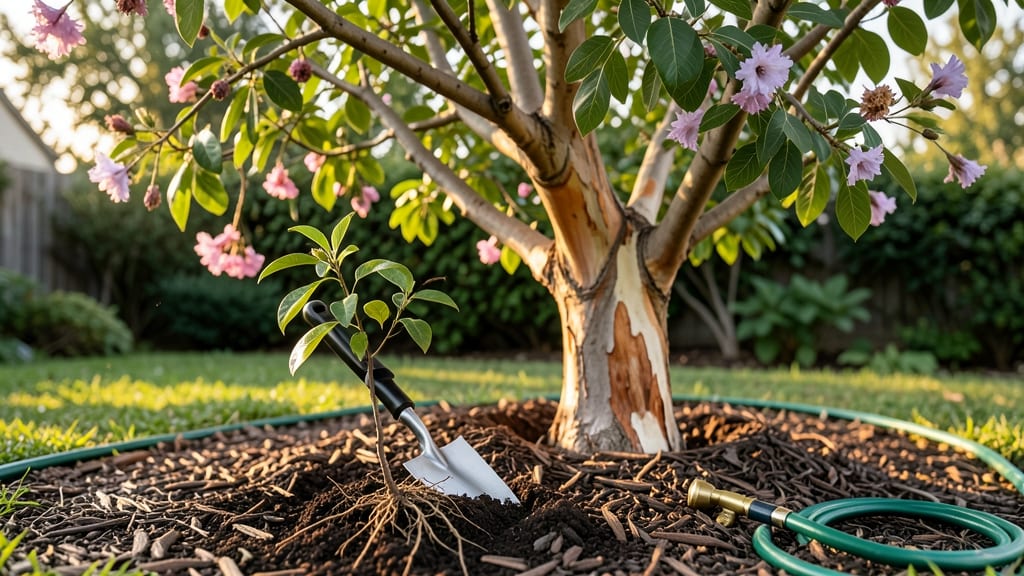
Timing your Crepe Myrtle 🌸 planting in Florida could mean the difference between a thriving tree and one that struggles with stunted growth or frost damage—even though Florida’s climate is famously mild.
If you’ve ever wondered why some trees bloom beautifully while others barely survive, the answer often lies in when they hit the ground.
Florida’s 8a-11 hardiness zones mean you’ve got flexibility, but even here, late winter to early spring (February-March) or fall (September-October) are your sweet spots for planting. North Florida’s rare frost risk (around January 15) makes timing especially critical, while Central and South Florida gardeners enjoy near year-round planting opportunities.
I’ll break down the exact months to plant, how to prep your soil for Florida’s sandy loam, and why container planting gives you extra control in urban heat islands. Whether you’re a first-timer or a seasoned gardener, these tips will help your Crepe Myrtle take root—and thrive—without the guesswork.
Ready to skip the trial-and-error? Let’s dive into the perfect planting window for your Florida landscape, so you can enjoy those stunning summer blooms for years to come.
Best months to plant crepe myrtle in Florida (avoiding frost zones)
Florida’s warm climate makes crepe myrtle a year-round possibility, but timing still matters to avoid stress from extreme heat or rare North Florida frosts. The ideal window spans from late summer to early fall, when soil stays warm but temps aren’t scorching.
This gives roots 6-8 weeks to establish before winter.
For North Florida (Zones 8a-8b), aim for September-October to dodge December frost risks. In Central/South Florida (Zones 9a-11), you can plant through November, even into December for container-grown specimens. Spring planting (February-March) works too, but young trees may struggle with summer heat waves.
Here’s the breakdown you need to choose the perfect time for your region:
| Region | Best Planting Months | Key Considerations | Frost Risk |
|---|---|---|---|
| North Florida (Jacksonville, Gainesville) | September-October | Soil warm, low humidity; avoid late October (frost risk) | Moderate (Dec 15 avg) |
| Central Florida (Orlando, Tampa) | August-November | Extended window; September best for root growth | Low (rare below 32°F) |
| South Florida (Miami, Fort Lauderdale) | Year-round (best Sept-Nov) | Humidity high; prioritize drainage | None |
| Urban Heat Islands (Containers) | March-April or Sept-Oct | Avoid summer heat stress in pots | Low (containers freeze faster) |
Container planting deserves special attention. Potted crepe myrtles freeze faster than in-ground plants, so avoid winter planting unless you’re in Zone 10+. For urban areas, March-April gives roots time to establish before summer’s brutal heat.
Pro tip: Use black containers to absorb heat and protect roots in winter.
Soil temperature matters more than air temperature. Use a soil thermometer—aim for 60°F+ at 4 inches deep. In North Florida, wait until soil warms after July’s heat (typically August).
In South Florida, you can plant any month, but September-October offers perfect balance of moisture and warmth.
Mulching plays a critical role. Apply 3-4 inches of mulch (pine bark or cypress) after planting to retain moisture and regulate root zone temps. Keep mulch 6 inches away from the trunk to prevent rot.
For container plants, use insulating mulch in winter to shield roots from cold snaps.
Watch for early warning signs of stress: yellowing leaves or wilting in summer mean overwatering; brown leaf edges in winter signal frost damage. In North Florida, cover young trees with burlap if frost is forecasted in December.
South Florida growers can ignore this entirely—frost is extremely rare.
Remember: Crepe myrtles thrive on neglect once established, but first-year care determines long-term success. Prioritize well-draining soil, full sun, and consistent watering during your chosen planting window. With the right timing, your tree will bloom spectacularly for years to come.
Best months to plant crepe myrtle in Florida (avoiding frost zones)
Florida’s frost-free climate makes crepe myrtle planting possible year-round, but timing still matters for root establishment and bloom success. In North Florida (USDA Zones 8a-8b), frost can still occur, while Central and South Florida (Zones 9a-11) enjoy frost-free growing conditions.
My top recommendation? Plant between September and October for ideal results.
For North Florida gardeners, avoid planting after mid-November—young roots may struggle with unpredictable cold snaps. In Central and South Florida, you can plant throughout winter (December-February) since frost is rare. Container-grown crepe myrtles offer extra flexibility, letting you plant any month with proper care.
⚠️ Visual Element: Summary Table
| Region | Best Planting Months | Key Considerations |
|---|---|---|
| North Florida (Zones 8a-8b) | September-October (primary) March-April (secondary) |
Avoid late fall—frost risk after December 15. |
| Central Florida (Zone 9a) | September-November (year-round possible) | Humidity helps root growth; water deeply in summer. |
| South Florida (Zones 10a-11) | Year-round (best: September-October) | Watch for hurricane season (June-Nov)—secure containers. |
If you miss the fall window, don’t panic—spring planting (March-April) works well too. Just ensure your crepe myrtle gets 6+ hours of sunlight daily and well-draining soil.
In urban heat islands, like Miami or Orlando, container planting lets you adjust timing based on microclimate heat stress.
Pro tip: Bare-root crepe myrtles (sold without soil) plant best in fall or early spring—their roots establish faster in cooler temps. Potted plants, however, adapt to any season with consistent watering. Always amend soil with compost to improve drainage, especially in clay-heavy areas.
For coastal areas, like Fort Myers or Pensacola, salt spray can stress young plants. If planting near beaches, raise soil mounds or use drip irrigation to avoid salt buildup. Mulch with pine straw or wood chips to retain moisture and regulate soil temps.
Remember: Crepe myrtles thrive on neglect once established, but first-year care determines long-term success. Whether you’re in freeze-prone Panhandle or tropical Key West, timing your plant with Florida’s rainy vs. dry seasons maximizes growth. Start with the right month, and you’ll enjoy vibrant blooms for decades! 🌸