
Plants
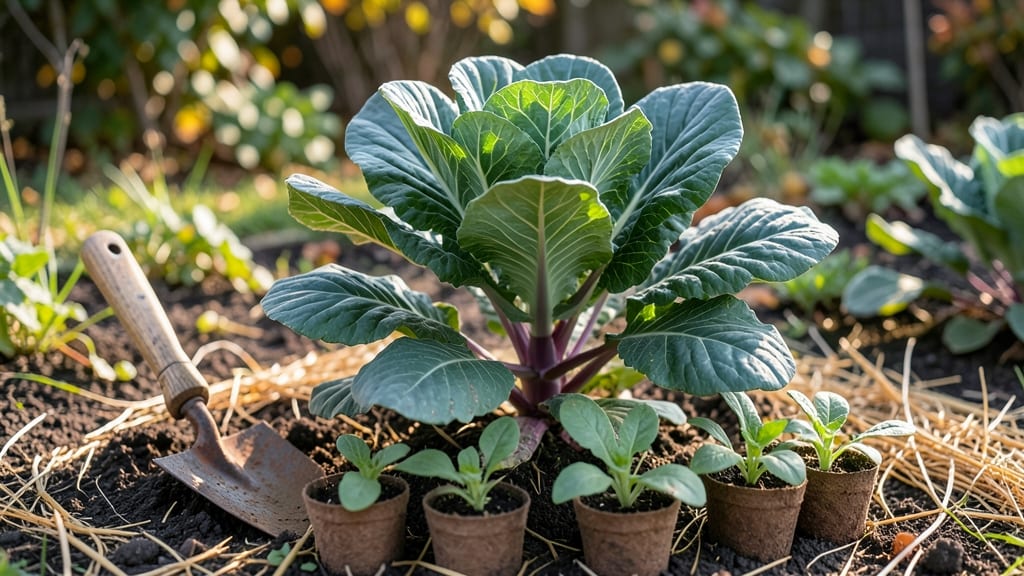
If you're asking "when do you plant collards in Alabama", timing is the secret to sweet, tender leaves—not bitter, tough ones. Alabama’s 7b-8b climate gives you two prime windows: spring and fall, but missing the frost-free deadlines means wasted effort.
Spring planting between March and April lets you harvest by May-June, while fall crops sown in August-September mature just before winter sets in. The difference? Fall collards often taste sweeter after a light frost, but you’ll need to act fast—Alabama’s first frost hits around November 15.
I’ll break down the exact planting schedule for your region—whether you’re in Birmingham, Montgomery, or Mobile—and share Alabama-specific tricks to avoid common mistakes. No more guessing whether your soil is warm enough or if you’re planting too early.
Ready to grow collards that thrive? Let’s dive into the frost-free deadlines and soil secrets that’ll have your 🥬 plants producing all season long—without the stress.
Best collard planting months in Alabama by region (frost-free deadlines)
Alabama’s three distinct regions—North (Birmingham), Central (Montgomery), and South (Mobile)—each have slightly different last frost dates, which means your collard planting window shifts depending on where you live.
Getting this right ensures sweet, tender leaves instead of bitter, stunted growth. Let’s break it down by region so you can plant with confidence.
For North Alabama (USDA Zone 7b), the average last frost date is around March 15, giving you a 4-6 week window before soil warms enough for planting.
Meanwhile, Central Alabama (Zone 8a) sees its last frost by March 1, and South Alabama (Zone 8b) can plant as early as February 15. These differences matter—planting too early in colder zones risks frost damage.
| Region | Last Frost Date | Ideal Planting Window | Soil Temp Requirement | Harvest Window |
|---|---|---|---|---|
| North (Birmingham) | March 15 | March 15–April 15 | 60°F+ | May–June |
| Central (Montgomery) | March 1 | March 1–April 1 | 60°F+ | April–June |
| South (Mobile) | February 15 | February 15–March 15 | 60°F+ | March–May |
| All Regions (Fall) | November 15 | August 15–September 15 | 65°F+ | October–December |
Fall planting is often more successful in Alabama because cooler temperatures prevent bolting (premature flowering) and yield sweeter, more tender leaves. Aim to plant 8-10 weeks before your first frost, which for most of Alabama falls around November 15.
This means August 15–September 15 is your sweet spot for a fall harvest that lasts through winter.
If you’re starting collards from seed instead of transplants, begin indoors 4-6 weeks before your last frost date. For North Alabama, that means February 1–15, while South Alabama gardeners can start seeds as early as January 15.
Use grow lights or a sunny windowsill to keep seedlings strong until transplanting.
Pro tip: Test your soil temperature before planting—collards thrive when soil reaches 60°F or warmer. A simple soil thermometer (just $10 at garden centers) saves you from planting too early. Cold soil slows germination and invites damping-off disease, a fungal killer of young seedlings.
For maximum yield, space collard plants 12–18 inches apart in rows 2 feet apart. This gives leaves room to grow large and reduces competition for nutrients.
In Alabama’s heat, mulch with straw or pine needles to retain moisture and keep roots cool—this is especially critical in South Alabama’s hotter summers.
Don’t forget companion planting! Collards pair well with bush beans, carrots, and onions, which deter pests like cabbage worms. Avoid planting near tomatoes or potatoes, as they compete for the same nutrients and can stunt growth.
A well-planned garden layout makes harvesting easier and keeps your collards thriving.
Finally, mark your calendar for Alabama’s first frost warnings (available from the National Weather Service). If frost is forecasted after your fall planting, cover young plants with row fabric or old blankets to protect them. A little extra care now means fresh collards on your table for months.
How to extend your collard harvest: fall vs. spring planting strategies
Alabama gardeners know that fall planting dominates for collards, but with the right strategies, you can also squeeze in a spring crop. The key lies in understanding how Alabama’s short winters and long summers influence growth timing.
Fall-planted collards often yield sweeter, more tender leaves because cooler temperatures reduce bitterness, while spring crops benefit from Alabama’s warm soil that warms up faster than northern states.
For fall harvests, aim to plant 8-10 weeks before your first frost—typically mid-August to early September in most of Alabama. This gives collards enough time to mature before winter sets in.
In North Alabama (Birmingham), where frosts arrive earlier, start by late July. Meanwhile, South Alabama (Mobile) can push planting until early October thanks to its milder climate.
Spring planting is trickier but doable if you act fast. Seedlings should go into the ground 4-6 weeks before your last frost date, usually mid-March to early April. The challenge? Alabama’s soil warms quickly, so young plants can bolt (go to seed) if temperatures spike too soon.
To mitigate this, use shade cloth or opt for cold-hardy varieties like ‘Georgia Southern’ or ‘Vates’.
| Season | Planting Window | Harvest Window | Key Advantage |
|---|---|---|---|
| Fall | Mid-August–Early September | October–November | Sweeter leaves, cooler temps |
| Spring | Mid-March–Early April | May–June | Faster growth, longer daylight |
To maximize your harvest, consider succession planting. For fall crops, sow seeds every 2-3 weeks starting in August. This ensures a steady supply of fresh leaves as older plants mature.
In spring, focus on transplanting rather than direct sowing, as Alabama’s humid springs can lead to damping-off disease in young seedlings. Always choose a sunny spot with well-draining soil—collards hate soggy roots.
Pro tip: Mulch heavily in fall to protect roots from temperature swings. Use straw or shredded leaves to insulate plants without smothering them. In spring, side-dress with compost to replenish nutrients depleted by winter rains.
This simple step can boost yields by 30% or more, giving you bigger, healthier leaves for your table.
Don’t overlook companion planting either. Collards pair well with bush beans, carrots, and onions, which deter pests like cabbage worms. Avoid planting near tomatoes or fennel, as they can stunt collard growth.
With these strategies, you’ll enjoy two bountiful harvests—one in spring and another in fall—without the bitter surprises that come from poor timing.