
Plants
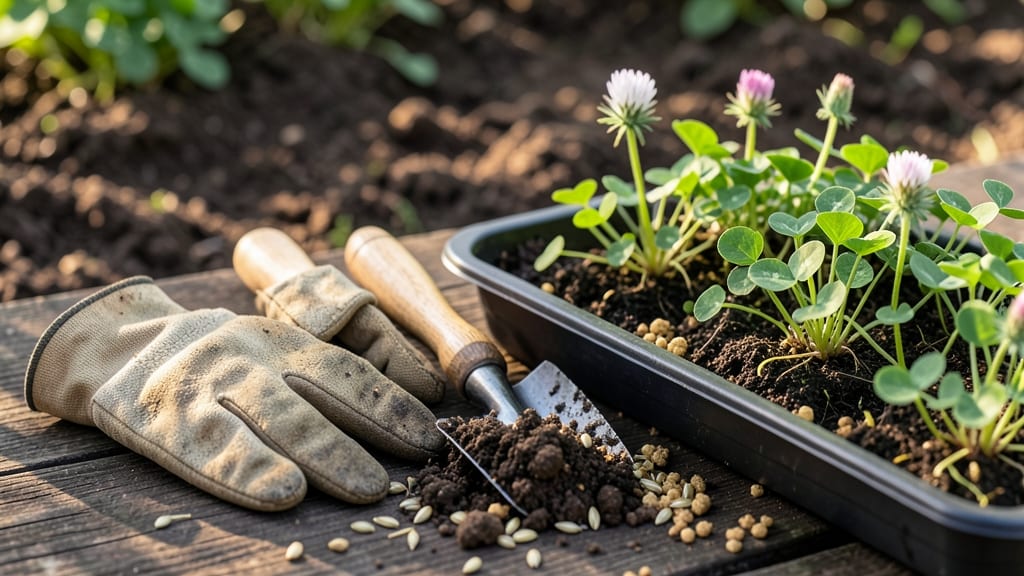
Timing your clover planting in Utah isn’t just about the calendar—it’s about understanding how the high desert’s unpredictable swings from 50°F mornings to 90°F afternoons can make or break your crop.
Whether you’re sowing white clover for pollinators or red clover for soil health, planting too early risks frost damage, while waiting too late means battling weeds and drought.
I’ve seen firsthand how Utah’s USDA Zones 5-8 create wildly different conditions from Cache Valley to St. George. What works in Zone 5 (like early April sowing) might scorch in Zone 8, where September planting gives clover 🌱 a fighting chance before winter.
The key? Reading your microclimate—not just the forecast.
In this guide, I’ll break down the exact windows for spring and fall planting, how to adjust for elevation, and which clover varieties thrive in Utah’s extremes.
You’ll learn how to time it so your clover germinates fast, crowds out weeds, and keeps coming back year after year—no guesswork, just results.
Ready to turn your lawn or garden into a lush, low-maintenance clover patch? Let’s dive into the perfect planting schedule for your corner of Utah, because getting it right means less work and more green—literally.
Utah’s optimal clover planting windows by region
Utah’s diverse climate zones mean your clover planting schedule should shift based on whether you’re in Northern Utah’s cooler valleys or Southern Utah’s warmer deserts. The key is planting when soil temperatures hit 50-60°F—this ensures fast germination and strong root establishment before summer’s heat arrives.
For most Utah gardeners, this means early spring (March-April) or early fall (September-October), but timing varies by elevation and microclimate.
In Northern Utah (USDA Zones 5-7), like Cache Valley or Logan, last frost dates typically fall around mid-April, giving you a 2-3 week window before summer heat sets in.
Meanwhile, Southern Utah (Zones 7-8), such as St. George or Moab, can plant 2-4 weeks earlier due to milder winters. Mountain regions (above 6,000 ft) may need to wait until late April or May to avoid late-spring frosts that can damage tender seedlings.
Here’s how to align your clover planting with Utah’s regional frost-free periods and soil warmth:
| Region | USDA Zone | Last Frost Date | Optimal Planting Window | Soil Temp Threshold | Clover Variety Notes |
|---|---|---|---|---|---|
| Northern Utah (e.g., Ogden, Provo) | 5-7 | Mid-April | March 15 – April 15 | 50-60°F | White clover thrives; red clover needs cooler soils. |
| Central Utah (e.g., Salt Lake City, Park City) | 6-7 | Late March – Early April | March 1 – April 10 | 55-65°F | Crimson clover handles slight heat better than red. |
| Southern Utah (e.g., St. George, Moab) | 7-8 | Late February – Early March | February 15 – March 15 | 60-70°F | White clover dominates; avoid red clover in summer heat. |
| Mountain Regions (e.g., Park City, Alta) | 5-6 | Late April – Early May | April 15 – May 10 | 45-55°F | White clover only; red clover risks frost damage. |
For fall planting, aim to sow 6-8 weeks before your area’s first frost. In Northern Utah, this means September 1-15, while Southern Utah can extend planting until late October.
Fall-sown clover benefits from cooler temperatures and consistent moisture, giving it a head start before winter dormancy.
Pro tip: Use a soil thermometer to confirm 50-60°F soil temps before planting. If temps are below 50°F, germination slows dramatically. In high-elevation areas, consider covering seeds with straw to retain heat and speed up sprouting.
If you’re planting red clover, prioritize spring planting—it bolts (goes to seed) quickly in heat. White clover, however, handles fall planting better due to its cold tolerance. Always choose certified organic seeds to
Microclimate factors that change clover planting timing
Utah’s elevation shifts can change your clover planting window by 4-6 weeks—mountain regions stay cooler longer, while desert valleys warm up faster. For example, Salt Lake City (Zone 6) typically plants in mid-April, while Park City (Zone 5) waits until late May to avoid late frosts.
Another critical factor is aspect—south-facing slopes warm up 2-3 weeks earlier than north-facing areas. If your garden sits on a south-facing hillside, you can plant white clover as early as March 15th, while north-facing spots may need to wait until April 15th.
🌱 Key Microclimate Adjustments for Utah Clover Planting
- Elevation: Add 1 week per 1,000 ft above 5,000 ft
- South-facing: Plant 2-3 weeks earlier than north-facing
- Urban heat islands: Wait 1 week longer than rural areas
- Wind exposure: Plant 10 days earlier in sheltered spots
- Soil type: Sandy soils need earlier planting (dries faster)
Don’t overlook USDA Zone maps—they’re your best tool for local adjustments. Utah spans Zones 5-9, so check your specific zone before planting. For instance, St. George (Zone 8) can plant red clover as early as February 15th, while Ogden (Zone 6) should wait until March 30th.
Urban areas like Provo or Orem experience heat island effects, meaning soil warms up faster. If you’re in these zones, delay planting by 1 week compared to surrounding rural areas to avoid heat stress on young seedlings.
For high-altitude gardens above 8,000 ft, focus on cold-hardy varieties like white clover and plant no earlier than May 1st. These areas often have shorter growing seasons, so timing is everything for establishment before first frost in mid-October.
Pro tip: Use a soil thermometer to confirm 50°F soil temps—the ideal range for clover germination. In Utah’s high desert, this might mean waiting until April 15th even if air temps seem warm.