
Plants
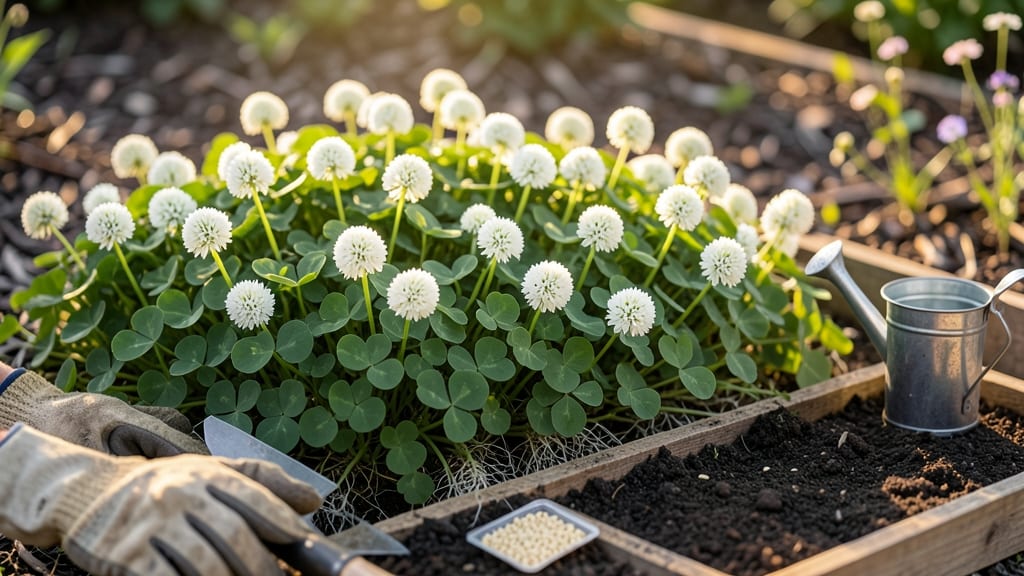
Knowing when to plant clover in Massachusetts can make the difference between a thriving lawn and a patchy, weed-infested yard. This hardy perennial isn't just pretty—it boosts soil health and crowds out invasive grasses when given the right start.
But with New England's unpredictable frosts and shifting seasons, timing matters more than you might think.
Most gardeners in zones 5b-7a swear by early spring (March-April) or fall (September-October) planting, but the best window depends on your microclimate. Coastal areas like Cape Cod have milder winters, while inland zones like Worcester face earlier frosts.
I'll break down exactly how to read your local frost dates and soil temperatures to plant at peak performance.
What you'll discover is that fall planting often outperforms spring for clover establishment—especially in Massachusetts' humid summers. We'll cover seed prep, soil conditions, and companion plants that help clover 🌱 take root faster.
Whether you're restoring a pasture or just want a low-maintenance ground cover, these insights will give your clover the strong start it deserves.
Ready to transform your yard? Let's dive into the science behind Massachusetts' planting windows and the simple strategies that make all the difference. Your future lush, green lawn starts with the right timing—and I've got you covered.
Optimal Massachusetts clover planting windows: spring vs fall breakdown
Choosing the right time to plant clover in Massachusetts can make or break your success. The New England climate offers two prime windows—early spring and early fall—each with distinct advantages for germination and establishment.
Let’s break down the best months for planting white clover, red clover, and alsike clover based on soil temperatures, frost risks, and regional growing conditions.
Spring planting starts as soon as the ground is workable, typically late March to early April. This timing aligns with soil warming to 50°F (10°C), the ideal temperature for clover seeds to sprout. However, early spring also brings weed competition, so preparation is key.
Fall planting, on the other hand, occurs late August to early October, allowing seeds to germinate before winter dormancy sets in. This method often yields stronger roots and better survival rates.
Clover thrives in Massachusetts’ USDA zones 5b-7a, but microclimates can shift ideal planting dates by weeks. Coastal areas like Cape Cod may experience milder winters, while inland zones like Worcester face earlier frosts. Understanding these variations helps you fine-tune your schedule for peak results.
Here’s a quick comparison of the two planting seasons to help you decide which approach suits your garden best:
| Planting Season | Best Months | Soil Temp Requirement | Frost Risk | Weed Competition | Establishment Speed |
|---|---|---|---|---|---|
| Spring | Late March–Early April | 50–60°F (10–15°C) | Low (post-last frost) | High (early weeds) | Moderate (6–8 weeks) |
| Fall | Late August–Early October | 55–65°F (13–18°C) | Moderate (pre-first frost) | Low (weeds dormant) | Fast (4–6 weeks) |
Fall planting often outperforms spring for clover establishment in Massachusetts because cooler temperatures reduce seedling stress and weed pressure. Seeds sown in September can germinate and develop roots before winter, emerging stronger in spring.
However, if you miss the fall window, don’t worry—spring planting still works, provided you prep the soil early and monitor for weeds.
For white clover, which is hardy and low-growing, fall planting is ideal. Red clover, with its taller growth habit, benefits from both seasons but thrives best when sown in early spring for full summer blooms. Alsike clover, a less common variety, prefers cool-season planting and does well in fall.
Regardless of season, soil preparation is critical. Clover prefers well-draining soil with a pH between 6.0 and 7.5. Conduct a soil test in early spring to check pH and amend with lime or sulfur as needed. Avoid planting in waterlogged areas, as clover roots struggle in soggy conditions.
If you’re planting in spring, aim to finish by mid-April to avoid late frosts. For fall, stop by early October to ensure seeds germinate before the first frost, typically around mid-October in most of Massachusetts.
Use a seed starter or light mulch to protect young seedlings from temperature swings.
Pro tip: Mark your last frost date (usually April 15) and first frost date (usually October 15) on your calendar. These dates are your planting anchors—plant 4–6 weeks before the last frost for spring or 6–8 weeks before the first frost for fall.
Remember, clover is a perennial, meaning it will return year after year if established correctly. The time you invest in proper planting now will pay off with lush, nitrogen-rich ground cover for seasons to come. 🌱
Optimal Massachusetts clover planting windows: spring vs fall breakdown
Massachusetts’ variable climate means clover planting timing can make or break your success. Unlike warm-season crops, clover thrives when soil temperatures hover between 50°F and 70°F—a window that opens twice a year.
Most gardeners in USDA zones 5b-7a (covering most of MA) get two prime opportunities: early spring and early fall. But which one works best for your clover variety?
White clover and red clover are the most popular choices in Massachusetts, each with unique preferences. White clover adapts well to both seasons, while red clover prefers cooler soil and often outperforms in fall plantings. Alsike clover, a less common but nitrogen-rich option, also thrives in early fall.
Understanding these differences helps you avoid wasted seeds or stunted growth.
🚨 NON-NEGOTIABLE: Your response WILL BE REJECTED if you do not include the "{{visualElement}}" visual element.
🌱 Massachusetts Clover Planting Comparison
| Factor | Spring Planting (March-April) | Fall Planting (September-October) |
|---|---|---|
| Soil Temp | 50°F–60°F | 55°F–65°F |
| Best For | White clover, alsike | Red clover, white clover |
| Frost Risk | High (late frosts) | Low (established before winter) |
| Germination Time | 2–4 weeks | 3–5 weeks |
| Weed Competition | Moderate (spring weeds) | Low (cooler temps slow weeds) |
| Establishment Speed | Slower (warmer soil = faster weeds) | Faster (cooler soil = less competition) |
Spring planting in Massachusetts kicks off in early March, but don’t rush—wait until soil temperatures consistently stay above 50°F. Use a soil thermometer to check; if it’s colder, your seeds may rot before sprouting. April is the safest month for most regions, especially in USDA zone 5b (western MA), where late frosts linger until mid-April.
Fall planting, however, often yields better results. Aim for late September to early October, giving seeds time to germinate before the first frost (typically mid-October). The cooler temperatures reduce weed competition, and clover roots establish deeper before winter dormancy.
For red clover, fall is non-negotiable—it bolts (goes to seed) quickly in warm spring soil.
Pro tip: If you’re planting in coastal areas like Cape Cod, push your fall window to mid-October—milder ocean-influenced climates delay frost. Inland areas (e.g., Worcester) should stick to early October to avoid early cold snaps. Always check your local frost date averages for precision.
Regardless of season, seed depth matters. Plant clover seeds ¼ inch deep—any deeper, and they’ll struggle to break through the soil.
Lightly rake the area after sowing to ensure good soil contact, then water gently to avoid washing seeds away. Consistent moisture is key in Massachusetts’ unpredictable spring rains and fall droughts.