
Plants
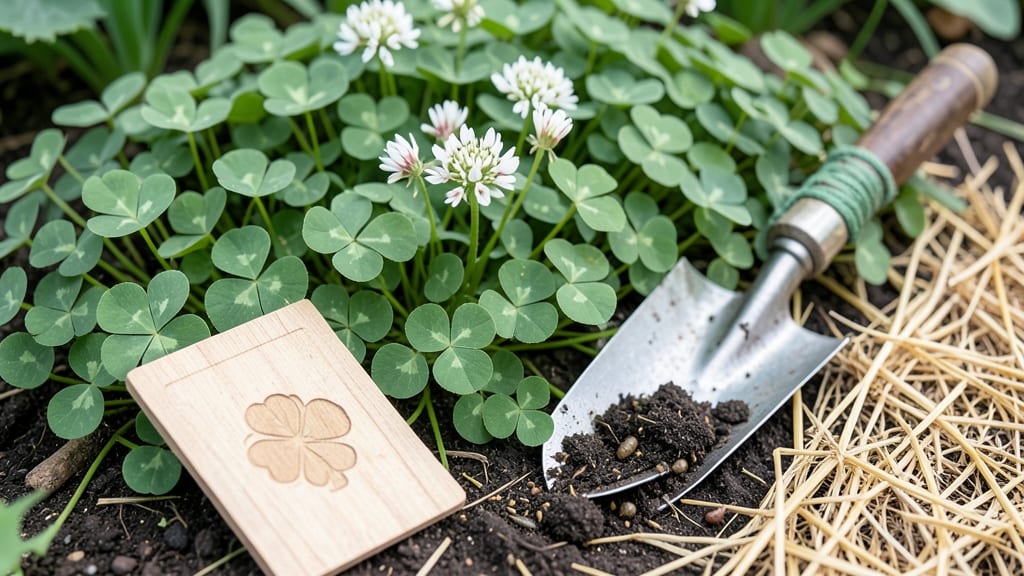
Timing your clover planting in Kentucky isn’t just about picking a season—it’s about mastering the delicate balance between Kentucky’s 6a-7a climate zones and the plant’s growth rhythm.
Skip the wrong window, and you might end up with sparse, weak stands that struggle to thrive in the Bluegrass state’s shifting weather patterns.
Most gardeners assume spring is the only game-changer for 🌱 clover, but Kentucky’s early falls offer a secret advantage: cooler soil temperatures that help seeds establish before winter sets in.
Whether you’re planting red clover for pollinators or white clover for soil health, getting the timing right means the difference between a lush, productive patch and a disappointing flop.
In this guide, I’ll break down the exact planting windows—from March-April for spring plantings to September-October for fall—plus how your specific microclimate (whether you’re in the Pennyrile region or the Cumberland Plateau) should shape your approach. No more guesswork, just proven strategies tailored to Kentucky’s unique growing conditions.
Ready to grow clover that not only survives but thrives? Let’s dive into the science-backed schedule that’ll have your soil teeming with life by next harvest season.
Optimal Kentucky clover planting windows by season: spring vs fall breakdown
Kentucky’s USDA zones 6a-7a create unique challenges for clover planting. Unlike many crops, clover thrives in both spring and fall, but your local microclimate dictates which window works best.
In the Bluegrass region, for example, spring planting often yields faster results, while the Cumberland Plateau benefits more from fall establishment due to cooler nights.
For red clover and white clover, aim to plant when soil temperatures reach 50°F (10°C)—this typically means late March to early April for spring. Alsike clover, however, prefers slightly cooler soils and may establish better in early September across most of the state.
These timing differences prevent seedling stress from extreme heat or frost.
Kentucky’s first frost date (around November 15) is your fall planting deadline. Seeds sown 6-8 weeks before frost will germinate and develop strong roots before winter dormancy. In humid subtropical zones (like western Kentucky), you can push this window slightly later due to milder winters.
Here’s the key difference: Spring planting gives you a full growing season for harvest, while fall planting ensures early spring growth when bees are most active. Both methods work, but your local frost history should guide your choice.
| Planting Window | Ideal Months | Soil Temp | Best For |
|---|---|---|---|
| Spring | March-April | 50°F+ (10°C+) | Red/White Clover, Fast Growth |
| Fall | September-October | 60°F-70°F (15°C-21°C) | Alsike Clover, Early Spring Bloom |
| Late Fall (Risky) | November | 45°F+ (7°C+) | Emergency Planting Only |
🌱 Pro Tip: Test soil moisture before planting—Kentucky’s clay soils can stay too wet in spring.
The Cumberland Plateau and Appalachian foothills often experience earlier frosts, so adjust your fall planting to late August to mid-September. In contrast, western Kentucky’s Pennyrile region can handle October plantings thanks to its milder winters. Always check your local frost-free date—Kentucky’s varies by 10-14 days across regions.
For best establishment, plant clover seeds ¼ inch deep in well-prepared soil. Kentucky’s limestone-rich soils often need compost or sulfur to adjust pH (ideal range: 6.0-7.0). A pre-planting soil test from your local Cooperative Extension office can save you from failed stands.
One common mistake? Planting too early when soils are still cold. Clover seeds won’t germinate below 45°F (7°C), and soggy spring soils can cause rot or fungal diseases. Wait for consistent daytime temps above 60°F (15°C) before sowing in spring.
If you’re planting for bee forage, prioritize early spring or late fall windows. Clover blooms attract pollinators when other flowers are scarce, giving your garden a head start on pollination. In Kentucky’s humid climate, this timing also reduces pest pressure from aphids and spider mites.
For maximum yield, consider a split planting strategy: sow half in spring and half in fall. This extends your harvest window and ensures continuous blooms for pollinators. Just remember—white clover spreads aggressively, while red clover has a shorter lifespan (2-3 years).
🌿 Whether you choose spring or fall, Kentucky’s diverse climate rewards gardeners who pay attention to local cues. Start with a small test patch to refine your timing before committing to larger plantings.
Microclimate-specific clover planting calendar: what to do when
Kentucky’s three distinct climate regions—Humid Subtropical (southwest), Humid Continental (central), and Appalachian (east)—each demand unique timing for clover success. Let’s break down the month-by-month action plan tailored to your location, ensuring your clover thrives whether you’re in Louisville’s heat or Lexington’s transitional zone.
For Humid Subtropical areas (USDA Zone 7a), aim for late February to early March or September 15 to October 15. These regions experience milder winters, allowing earlier spring planting.
In Humid Continental zones (Zone 6a-7a), shift to mid-March to April 15 or September 1 to October 1 to avoid late frosts. Meanwhile, Appalachian areas (Zone 6a) should wait until April 1 to May 1 or September 15 to October 10 due to cooler nights.
In Humid Subtropical zones, like Paducah, prioritize red clover for heat tolerance. For Humid Continental areas (e.g., Bowling Green), alsike clover thrives in cooler springs. Meanwhile, Appalachian regions (e.g., Corbin) benefit from white clover’s cold hardiness.
Adjust seed depth to ¼ inch—deeper in sandy soils (common in Western KY) and shallower in clay-heavy Eastern KY.
Pro tip: Use a soil thermometer to confirm planting readiness. Kentucky’s limestone bedrock often retains cold, so deeper soil temps may lag behind air temps by 5-7°F. Always plant afternoon shade crops (like lettuce) nearby to gauge microclimate shifts.
Fall planting in Kentucky offers a 6-8 week head start on spring growth. For September plantings, aim to establish roots before October’s first hard frost (common in Zone 6a). In October, focus on cover crops like clover to prevent soil erosion during winter rains.
Monitor local Almanac frost dates—Kentucky’s last spring frost can vary by 2-3 weeks between regions. For example, Lexington averages March 20, while London may see frost until April 5. Adjust your timeline accordingly to avoid frost damage to tender clover seedlings.