
Companion Plants
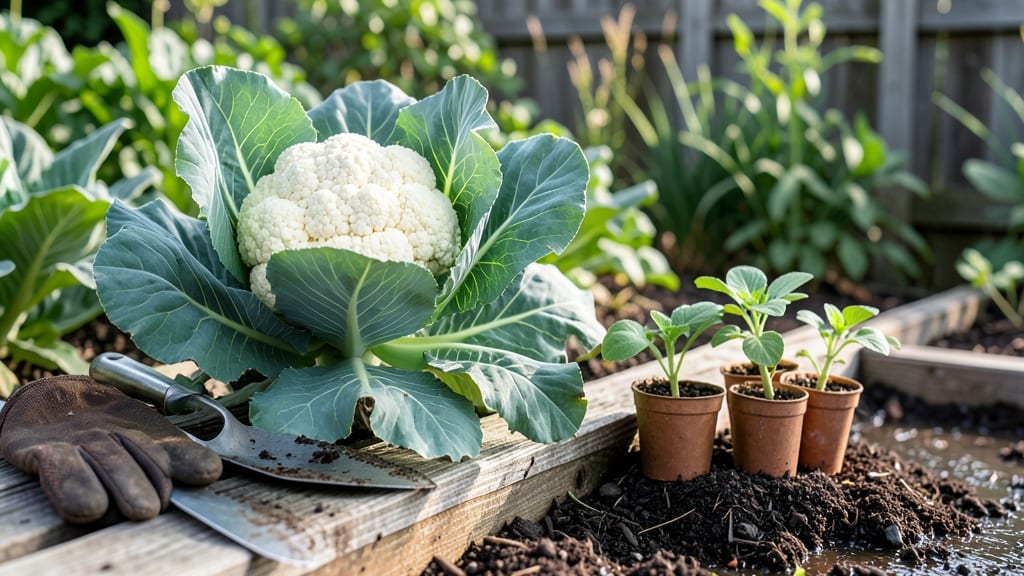
Timing your cauliflower planting in Pennsylvania can make or break your harvest—get it wrong, and you’ll either lose plants to frost or miss the sweet, tender heads you crave.
The key is understanding how PA’s three distinct microclimates (from the humid Southeast to the cooler Northwest) shift your frost-free window by 4-6 weeks, sometimes even more.
I’ve grown cauliflower in PA’s USDA Zones 5-7, and let me tell you—planting too early risks bolting (those bitter, flowery stalks), while waiting too long means your heads won’t mature before winter’s first frost.
The solution? A data-backed approach that accounts for soil temperature, regional frost dates, and even elevation changes.
In this guide, I’ll break down the exact planting windows for spring and fall crops, whether you’re starting seeds indoors or sowing directly into the garden. You’ll also learn how to stretch your season with cold-hardy varieties and protective covers—because in PA, every extra week counts.
Ready to avoid the most common mistakes (like skipping soil prep or ignoring bolting warnings) and grow bountiful cauliflower? Let’s get started with the timeline that works for your corner of the Keystone State.
Pennsylvania’s 3 microclimates: exact cauliflower planting dates by region
Pennsylvania’s three distinct microclimates create wildly different growing conditions for cauliflower. The Southeastern region (USDA zones 6b-7a) enjoys earlier springs and longer harvests, while the Northwestern (zones 5a-6a) faces shorter frost-free windows.
Central PA (zones 6a-6b) sits in between. Let’s break down the exact planting windows for each region, including soil temperature thresholds and transplanting tips.
Cauliflower thrives when soil temperatures reach 45°F (7°C) for germination but prefers 60-70°F (15-21°C) for optimal growth. In PA, this means early spring or late summer plantings, depending on your microclimate.
The key is timing your transplants to avoid late spring frosts (common in April) and early fall frosts (as early as September in some areas).
Here’s how to align your planting with PA’s three microclimates, using local frost data and gardener reports:
| Region | USDA Zone | Last Frost (Avg.) | First Frost (Avg.) | Soil Temp. for Planting | Transplant Window | Fall Planting Window |
|---|---|---|---|---|---|---|
| Southeastern PA | 6b-7a | April 15 | October 15 | 50-60°F (10-15°C) | April 20 - May 15 | July 1 - July 31 |
| Central PA | 6a-6b | April 25 | October 5 | 45-55°F (7-13°C) | May 1 - May 20 | June 15 - July 15 |
| Northwestern PA | 5a-6a | May 5 | September 20 | 50-60°F (10-15°C) | May 15 - June 1 | June 20 - July 10 |
For Southeastern PA, start seeds indoors 8-10 weeks before your last frost (so February 15-March 1) to transplant by April 20. This region’s longer season lets you squeeze in a fall crop too—plant seeds indoors June 15-July 1 for late-summer harvests.
In Central PA, delay indoor starts until March 15-April 1 to avoid early frosts, and prioritize early-maturing varieties like ‘Snowball Y Improved’ (harvests in 70 days).
In Northwestern PA, the shorter growing season demands extra caution. Opt for cold-hardy varieties like ‘Purple of Sicily’ (tolerates 28°F (-2°C)) and start seeds indoors no later than March 10.
Transplant after May 15 when soil warms to 50°F (10°C), and use row covers to extend the season. Fall plantings here are risky—stick to June 20-July 10 for seeds and expect smaller yields.
Pro tip: Use a soil thermometer to confirm temperatures before transplanting. Cauliflower roots are sensitive to cold, and soil below 45°F (7°C) will stunt growth. If your soil is too cold, wait 1-2 weeks or use black plastic mulch to warm it faster.
Another critical factor is day length. Cauliflower bolts (goes to seed) when days get too long or hot. In PA’s humid summers, this means late June plantings
How to extend your cauliflower season in Pennsylvania (even in late summer)
Pennsylvania’s short growing season can feel like a race against time for cauliflower lovers. But with the right strategies, you can push your harvest into late summer—or even fall! The key is choosing cold-hardy varieties and using season-extending tools to protect tender plants from early frosts.
I’ve grown cauliflower in PA for years, and these methods have helped me harvest well past the usual July window.
Start with late-maturing varieties like ‘Snowball Y Improved’ or ‘Purple of Sicily,’ which tolerate cooler temperatures better than standard types. These varieties add 2-3 extra weeks of growing time before frost sensitivity kicks in. Pair them with row covers or cold frames to shield plants from unexpected chills.
Another game-changer is succession planting. Instead of one big batch, stagger your plantings every 2-3 weeks starting in early May. This ensures a steady supply of fresh heads throughout the summer.
For fall harvests, aim for mid-July plantings—just be ready to cover young plants if temperatures dip below 50°F at night.
- 🌱 Choose late-season varieties: Opt for ‘Snowball Y Improved’ (90 days) or ‘Purple of Sicily’ (85 days) for cooler weather.
- 🛡️ Use row covers: Protect seedlings with lightweight fabric when night temps drop below 50°F.
- ⏰ Succession plant: Sow new seeds every 2-3 weeks from May to July for continuous harvests.
- ☀️ Maximize sunlight: Place plants in the sunniest spot possible—cauliflower needs 6-8 hours of direct light daily.
- 💧 Water consistently: Keep soil moist (but not soggy) to prevent bolting during heatwaves.
Don’t overlook soil preparation—amend your beds with compost and lime (PA soils are often acidic) to give plants a strong start. A mulch layer also helps regulate soil temperature and retain moisture, which is critical during PA’s unpredictable summer weather.
For the bold gardener, try fall planting in late summer. If you sow seeds by mid-August in warmer microclimates (like Southeast PA), you might still get heads ready by October. Just monitor weather forecasts and have row covers ready for sudden cold snaps.
With these techniques, you can turn PA’s short season into a cauliflower harvest bonanza—no matter where you garden in the state. The key is planning ahead and staying flexible with your planting schedule. Happy growing! 🌿