
Plants
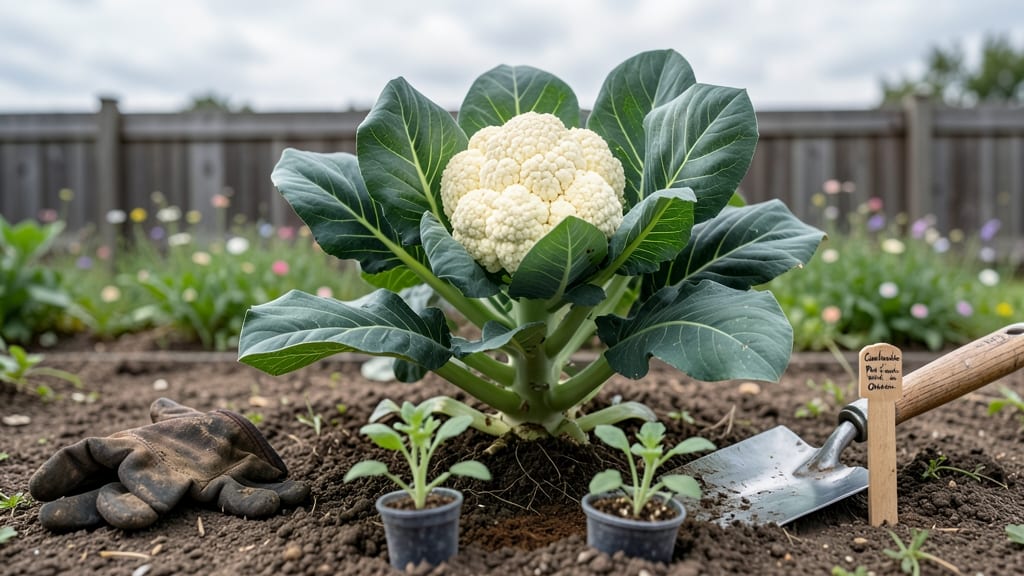
Timing your cauliflower 🥬 planting in Ohio can mean the difference between a bountiful harvest and wasted effort—get it wrong, and you might miss the sweet spot between frost and heat.
Ohio’s USDA Zone 6a climate gives you two chances each year to grow this cool-weather crop, but knowing exactly when to start seeds indoors or set transplants outside is the key to success.
Most Ohio gardeners plant cauliflower in March–April for a summer harvest or in August–September for a fall crop, but frost dates and soil temperatures play a huge role.
If you’re in northern Ohio, aim for transplants by April 15 to avoid late frosts, while southern Ohio growers have a slightly longer window. The trick? Start seeds indoors 4–6 weeks before your last frost date to give seedlings a head start.
Why does this matter? Cauliflower thrives in cool weather but bolts (goes to seed) when temperatures climb above 80°F. By planning around Ohio’s frost-free days (165 days on average), you’ll ensure your plants mature before summer heat—or winter frost—ruins your crop.
Let’s break down the exact weeks to plant for your region and variety.
Whether you’re a first-time gardener or a seasoned green thumb, these insights will help you maximize your cauliflower harvest. From choosing the right varieties to protecting your plants from Ohio’s unpredictable weather, we’ve got you covered. Ready to dig in?
Ohio cauliflower planting calendar: frost dates and ideal timing
Ohio’s frost dates vary dramatically between northern and southern regions, making precise timing essential for cauliflower success. In USDA Zone 6a (most of Ohio), the average last frost date falls around April 15, while the first frost typically arrives by October 15.
However, microclimates near lakes or urban areas can shift these dates by 1-2 weeks—always check your local frost-free days (about 165 days in Ohio) for accuracy.
For spring planting, aim to transplant seedlings 4-6 weeks before your last frost date.
This means starting seeds indoors in early March (under grow lights) and moving them outdoors by mid-April. Fall planting is equally critical—sow seeds 8-10 weeks before your first frost (around late August) to ensure heads mature before winter.
Ohio’s humid summers can stress cauliflower, so timing is key to avoiding bolting (premature flowering).
Northern Ohio (e.g., Cleveland, Toledo) has earlier frost risks than southern Ohio (e.g., Columbus, Cincinnati). Adjust your schedule 1 week earlier in the north and 1 week later in the south.
For example, Toledo’s last frost is often April 22, while Cincinnati’s can be as late as April 28. Use these regional adjustments to fine-tune your planting window.
Ohio Cauliflower Planting Timeline
| Stage | Action | Northern Ohio | Southern Ohio |
|---|---|---|---|
| Spring Start Indoors | Sow seeds | Early March | Mid-March |
| Transplant Outdoors | Move seedlings | Mid-April | Late April |
| Harvest Window | Pick heads | June-July | Late June-August |
| Fall Start Indoors | Sow seeds | Late July | Early August |
| Transplant Outdoors | Move seedlings | Late August | Early September |
| Harvest Window | Pick heads | October-November | Late October-December |
Note: Adjust dates 1 week earlier for high-elevation areas or near lakes.
To maximize your cauliflower yield, plan for two planting cycles: one in spring and one in fall. Spring crops should reach maturity by mid-summer (around July 4), while fall crops need to be harvested before hard frosts (aim for October-November).
Use row covers or cold frames to extend the fall season by 2-3 weeks if needed. Ohio’s variable weather means monitoring soil temperatures is crucial—cauliflower thrives in 50-75°F soil and struggles when temps exceed 80°F.
For direct sowing (skipping the indoor start), plant seeds 2-3 weeks earlier than your transplant date. However, Ohio’s cool springs often make this risky—seedlings may rot in cold, wet soil. If you choose direct sowing, use biodegradable pots to protect young plants until they establish.
Always harden off seedlings for 7-10 days before transplanting to avoid shock from Ohio’s temperature swings.
Pro tip: Use a planting calendar to track your
Best cauliflower varieties for Ohio gardens and their planting needs
Ohio’s climate—with its humid summers and cool springs/falls—demands cauliflower varieties that can handle both heat stress and early frost. Not all cauliflower is created equal: some bolt in summer’s heat, while others struggle with Ohio’s short growing season.
Choosing the right variety ensures a reliable harvest from your garden beds.
For Ohio gardeners, cold-hardy varieties like 'Snowball Y Improved' are my top pick—they tolerate light frosts and thrive in spring and fall plantings. Meanwhile, heat-sensitive types like 'Purple of Sicily' need careful timing to avoid bolting.
Let’s break down the best options and their planting windows for Ohio’s unique climate.
🌱 Did You Know? Purple cauliflower (like 'Graffiti') actually turns green when cooked—but it’s 30% higher in antioxidants than white varieties! Ohio’s humid summers make purple varieties a great choice for disease resistance.
| Variety | Days to Maturity | Best Planting Months | Spacing (inches) | Ohio-Specific Notes |
|---|---|---|---|---|
| Snowball Y Improved | 70-80 days | March-April (spring) / August (fall) | 18-24" | Cold-hardy; ideal for northern Ohio spring plantings. |
| Purple of Sicily | 60-70 days | April-May (spring only) | 18" | Heat-sensitive; plant after last frost in cooler microclimates. |
| Graffiti | 65-75 days | March-April (spring) / August-Sept (fall) | 24" | Disease-resistant purple variety; thrives in Ohio’s humidity. |
| Early Snowball | 55-65 days | February-March (indoor start) / July (fall) | 18" | Fast-maturing; great for short-season gardens in southern Ohio. |
When selecting varieties, pay attention to days to maturity—Ohio’s 165-day frost-free season limits your options. For example, 'Early Snowball' matures in just 55-65 days, making it perfect for late-summer plantings that need to harvest before frost. Meanwhile, 'Snowball Y Improved' takes longer but handles Ohio’s chilly springs beautifully.
Pro tip: Northern Ohio (USDA zones 5-6) should prioritize cold-hardy varieties like 'Snowball Y' for spring plantings, while southern Ohio (zone 7) can experiment with heat-tolerant types like 'Purple of Sicily'—but only if planted after Memorial Day to avoid bolting from summer heat.
For disease resistance, I always recommend purple varieties like 'Graffiti'—Ohio’s humid summers create ideal conditions for clubroot and black rot, and purple cauliflower’s genetic makeup offers natural protection. Pair this with well-draining soil (amend with compost!) and proper spacing to maximize airflow and reduce fungal risks.
Remember: Soil temperature matters! Cauliflower seeds won’t germinate well in soil below 40°F or above 85°F. Use a soil thermometer to time your plantings—especially for fall crops where cooler temps help prevent bolting. 🌡️