
Plants
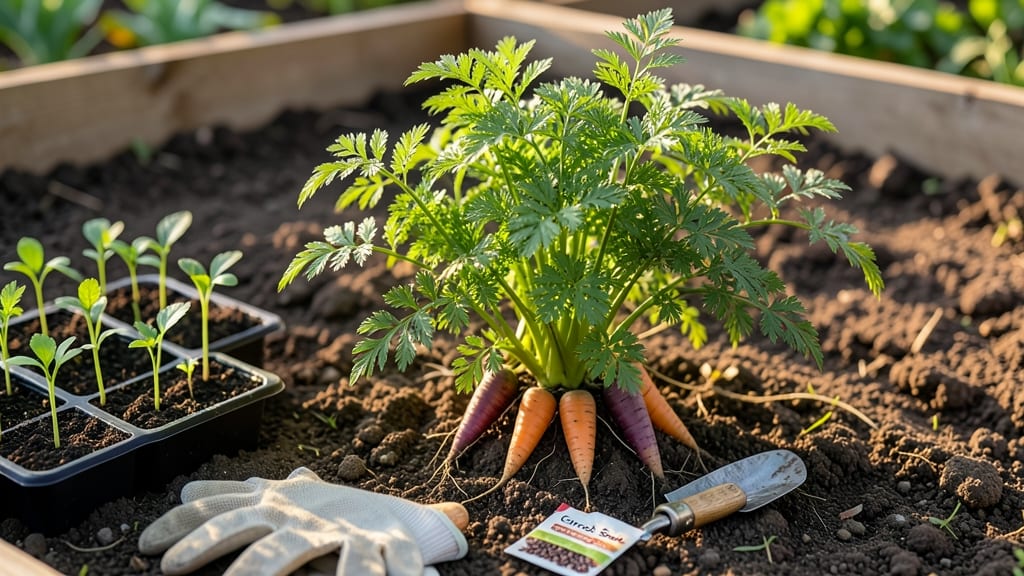
Timing your carrot planting in spring could mean the difference between a garden full of crisp, sweet 🥕 and a patch of bitter disappointment.
The secret lies in understanding your local frost dates and soil temperatures—because planting too early or too late can turn your dream harvest into a lesson in patience (and wasted seeds).
For most gardeners in USDA Zone 6a (like me!), the ideal window opens just 4-6 weeks before your last frost date, typically around early April. But here’s the catch: soil temperature matters more than calendar dates.
If your ground is still chilly, your carrots will sulk or bolt prematurely, leaving you with leafy tops and tiny roots.
I’ve learned the hard way that rushing the process leads to stunted growth or worse—carrots that fork like a lightning bolt. The key is patience and preparation: loosen that soil, add compost, and wait for temperatures to hit 50-60°F before dropping seeds.
Trust me, your future self (and your dinner table) will thank you.
In this guide, I’ll break down the exact timing for your zone, plus pro tips to extend your harvest season and avoid the 5 biggest mistakes that even seasoned gardeners make. Let’s get those 🥕 growing right!
Spring planting timeline for carrots by USDA hardiness Zone
Getting your carrot planting timed perfectly in spring depends entirely on your USDA hardiness zone. Plant too early, and your seeds may rot in cold soil; too late, and you risk bolting before harvest.
The key is understanding your last frost date and soil temperature thresholds—carrots need soil that's at least 50°F (10°C) to germinate properly.
In Zone 3-5, where winters are harsh, you’ll need to wait until mid-May to early June for safe planting. Meanwhile, gardeners in Zone 8-10 can start as early as February, taking advantage of mild winters.
The difference comes down to frost risk and soil warmth, both of which vary dramatically across regions.
🌱 Pro Tip: Use a soil thermometer to confirm readiness—carrots won’t germinate well in soil below 50°F (10°C), even if frost has passed.
If you're in Zone 6-7, aim to plant by late April—this gives your carrots enough time to mature before summer heat sets in. Meanwhile, Zone 8-10 gardeners can start as early as February and even succession plant every 2-3 weeks for a continuous harvest.
The key is maintaining consistent soil moisture and avoiding bolting from temperature swings.
For northern climates (Zone 3-5), consider using row covers or cold frames to extend your planting window. These tools can add 2-4 weeks of growing time by protecting young seedlings from late frosts.
In southern zones (Zone 8-10), prioritize shade cloth during peak summer to prevent bolting and ensure sweet, crisp roots.
One common mistake is assuming that frost-free dates are the only factor. Soil temperature is just as critical—carrots won’t germinate well below 50°F (10°C), even if frost has passed. Always check with a soil thermometer before planting to avoid wasted effort.
In Zone 6 (like much of the Midwest), where I garden, I start my first planting in early April and follow up with succession plantings every 2 weeks until early June. This ensures a steady supply of fresh carrots from late June through October.
The secret? Loose, well-drained soil and consistent watering—never let the soil dry out completely, or you’ll end up with woody, bitter roots.
For container gardening, adjust your timeline slightly—pots warm up faster than in-ground soil, so you can plant 1-2 weeks earlier in most zones. Just ensure your containers have drainage holes to prevent waterlogging, which carrots hate.
🌱 Remember: The earlier you plant, the longer your harvest window. But don’t rush—patience pays off with sweeter, straighter carrots.
How to extend your carrot harvest season in spring plantings
Spring carrot plantings don’t have to end with a single harvest—with the right strategies, you can enjoy fresh carrots for weeks. The key lies in succession planting, companion planting, and soil preparation to prevent bolting and maximize root development.
Let’s break down how to stretch your harvest season effortlessly.
Start by choosing quick-maturing varieties like 'Paris Market' or 'Early Nantes' for early crops. These varieties reach harvest readiness in just 60-70 days, perfect for extending your season. Pair them with longer-season varieties like 'Danvers' or 'Chantenay' for a staggered harvest timeline that keeps your kitchen stocked all summer.
Succession Planting Schedule
Plant every 2-3 weeks from late spring to early summer. Use quick-maturing varieties (e.g., 'Paris Market') for early crops, followed by longer-season types (e.g., 'Danvers') for a continuous supply.
Example: Week 1 (late April) - 'Paris Market'; Week 5 (early June) - 'Danvers'; Week 9 (mid-July) - 'Nantes'.
Companion planting is another game-changer for your carrot patch. Onions, garlic, and rosemary are natural pest deterrents—their strong scents confuse carrot flies, reducing damage to your roots. Avoid planting near dill or fennel, as these attract pests that target carrots.
For a bonus, interplant with leeks or chives to repel aphids while adding flavor to your garden.
Preventing bolting—when carrots flower prematurely—is critical for a long harvest. Bolting turns sweet roots bitter and woody. To avoid this, loosen soil to 12 inches deep before planting to encourage straight root growth.
Mix in compost for nutrients without overdoing nitrogen, which promotes leafy growth over roots. Use a light hand with fertilizer—too much nitrogen sends energy to the tops instead of the roots.
For gardeners in warmer climates (Zones 8-10), consider shade cloth during peak summer heat to prevent bolting. In cooler zones (Zones 3-5), mulch heavily with straw or leaves to maintain even soil temperatures.
Both tactics help maintain ideal growing conditions, ensuring your carrots stay focused on root development rather than flowering.
With these strategies, you’ll transform a single spring planting into a continuous harvest that lasts well into summer. The secret? Plan ahead, choose the right varieties, and protect your plants from pests and environmental stress.
Your future self will thank you when fresh carrots are on the table all season long.