
Plants
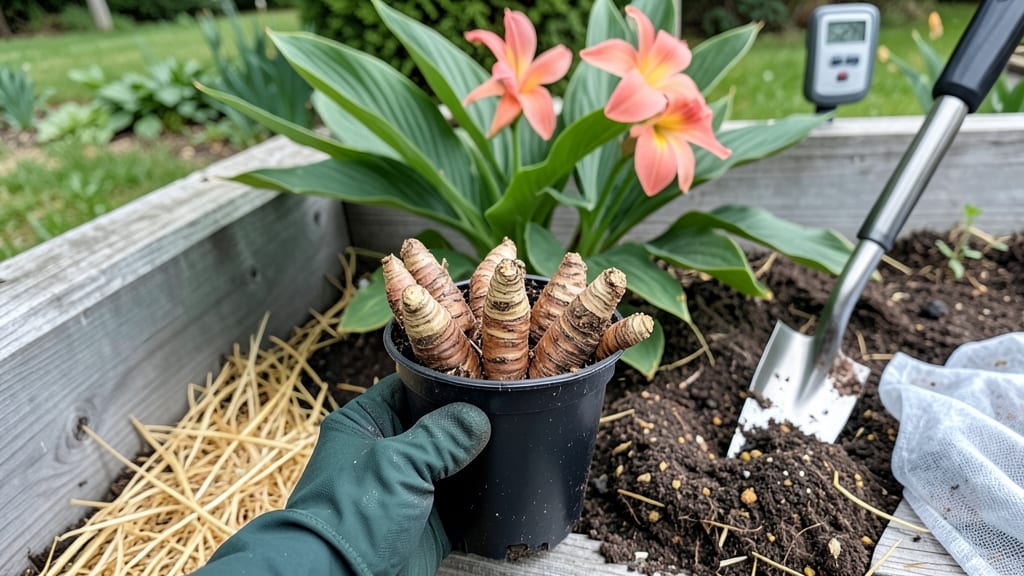
Planting your 🌺 Canna Lily bulbs at the wrong time in Wisconsin could mean frozen roots or wilting blooms—so timing is everything. The key to vibrant summer displays starts with knowing when to break ground in your 4b-5b zone, where frost lingers until mid-May and heat arrives fast.
You might think "just after last frost" is the answer, but Wisconsin's soil needs to warm up first—cannas demand temperatures above 60°F to thrive. That means waiting until late May or early June, when the ground is finally ready and your bulbs won't shock from sudden cold snaps.
I'll walk you through exactly when to plant based on your specific zone, plus smart soil prep tricks to give your cannas the perfect start. No more guessing—just a foolproof timeline to get those showstopping 6-foot-tall blooms off to a flying start.
Ready to transform your garden? Let's dive into the exact planting window that works for Wisconsin's climate, so you can enjoy cannas that outshine every summer border.
Wisconsin canna planting timeline by USDA hardiness Zone
Wisconsin spans USDA Zones 4b through 6b, meaning frost dates vary dramatically—from mid-May in Zone 4b to late April in Zone 6b. Canna lilies (🌺) are tropical plants that cannot tolerate frost, so timing is everything.
Planting too early risks freezing, while waiting too long may stunt summer growth. Let’s break down the exact planting windows for each zone to maximize your cannas’ 4-6 foot height and vibrant blooms.
Most Wisconsin gardeners aim to plant cannas after the last frost, but soil temperature matters more than air temperature. Cannas thrive when soil reaches 60°F (15°C)—a threshold that typically occurs 2-4 weeks after the last frost date.
In Zone 5a (northern WI), this often means waiting until early June, while Zone 6b (southern WI) gardeners can start as early as late May. Use a soil thermometer to confirm readiness—this tool is your best friend for avoiding costly mistakes.
Here’s the zone-by-zone breakdown of ideal planting times, including last frost averages, soil temperature goals, and transplanting windows to ensure your cannas get a 6-8 hour daily sunbath for peak performance.
| USDA Zone | Last Frost Date | Soil Temp Goal | Ideal Planting Window | Risk of Early Planting |
|---|---|---|---|---|
| Zone 4b (North) | Mid-May | 60°F (15°C) | Early June | High frost risk |
| Zone 5a (Central) | Late May | 60°F (15°C) | Late May - Early June | Moderate frost risk |
| Zone 5b (South-Central) | Early May | 60°F (15°C) | Late May - Early June | Low frost risk |
| Zone 6a (South) | Late April | 60°F (15°C) | Mid-May - June | Minimal frost risk |
| Zone 6b (Southeast) | Early April | 60°F (15°C) | Late May - Early June | Very low frost risk |
If you’re in Zone 5a or 4b, consider starting cannas in containers indoors under grow lights 6-8 weeks before your target planting date. This gives you a 2-3 foot head start on growth, letting you transplant hardier, larger rhizomes into the garden once soil warms.
For gardeners in Zones 5b-6b, direct sowing after the last frost is perfectly safe—just monitor soil temps closely.
Pro tip: Use black plastic mulch to warm soil faster. Lay it down 2-3 weeks before planting to raise soil temperatures by 5-10°F, accelerating your cannas’ growth cycle. This is especially useful in northern Wisconsin, where cooler soils delay planting.
Pair this with a south-facing garden bed to maximize sunlight exposure—cannas need 6-8 hours of direct sun daily to reach their full 4-6 foot height and produce those showstopping blooms.
Once planted, cannas grow rapidly—expect 1-2 feet of growth per month during peak summer. In Zone 6b, you can even push the envelope and plant as late as early June, though you’ll sacrifice 2-3 weeks of blooming time. The trade-off? Fewer
Signs your Wisconsin soil is ready for canna bulbs
Wisconsin’s cool spring soils can stall canna growth if planted too early. The key is waiting for soil temperatures to hit 60°F (15°C)—this triggers root activation.
Without this warmth, your bulbs will sit dormant, wasting precious growing time. I’ve learned the hard way that rushing leads to weak, stunted plants by summer.
Test soil readiness with a simple finger check: Push your finger 2-3 inches deep. If the soil feels warm to the touch (like a hot cup of tea), it’s ready. For a more precise method, use a soil thermometer—these cost under $10 and save you from guessing.
Pro tip: Early morning is the best time to check, as afternoon sun can skew readings.
Moisture matters just as much as temperature. Cannas thrive in consistently moist but well-drained soil. Before planting, water your garden bed deeply—this helps warm the soil faster. If your soil feels dry or crumbly at planting depth, add organic compost to improve water retention.
I’ve found that amending clay-heavy Wisconsin soils with compost makes all the difference in root development.
Watch for sprouting signs in your cannas if you’ve planted them in containers indoors. When you see 2-3 inch shoots emerging, your soil outdoors should be ready. This natural cue aligns perfectly with Wisconsin’s typical late May to early June planting window.
If you’re in Zone 5a, hold off until after Memorial Day weekend to avoid late frosts.
Common mistakes delay planting: ignoring last frost dates or assuming "spring" means "soil is warm." I’ve seen gardeners plant in early May only to have their cannas freeze when temperatures dip. Use the National Weather Service’s frost calculator for your specific Wisconsin county—it’s a game-changer for timing.
One final check: Look for earthworms in your soil. Active worms mean your soil is warming up and has the right moisture balance for cannas.
If you spot them, your garden bed is ready for those vibrant canna rhizomes—just be sure to plant them 2-3 inches deep for stability. 🌱