
Plants
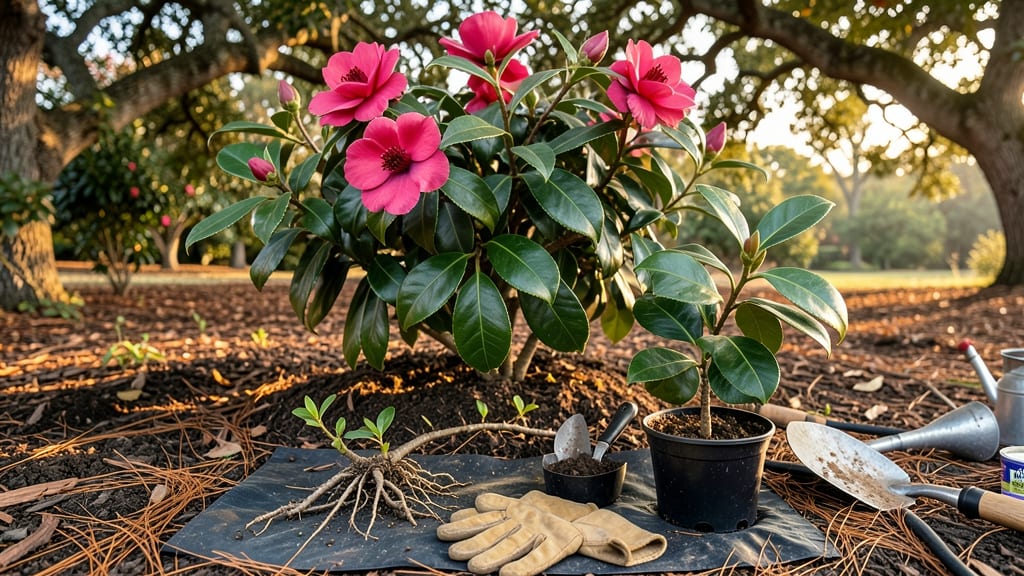
Planting your 🌸 Camellia at the wrong time in North Carolina can mean the difference between a thriving shrub and a struggling one. These elegant bloomers love the state’s climate, but getting the timing right—especially across zones 6a-8b—is key to strong root growth and stunning flowers.
Most gardeners in NC swear by fall planting (October-November), when soil stays warm but temperatures cool down. But early spring (February-March) also works beautifully, giving roots time to establish before summer heat arrives.
The secret? Avoid planting when the ground is frozen or during extreme heat—both can shock your Camellia.
I’ll walk you through the best months for each zone, plus pro tips for soil prep and aftercare. Whether you’re a first-time gardener or a seasoned pro, these insights will help your Camellia take root like a dream and bloom for years to come.
Ready to plant with confidence? Let’s dive into the perfect schedule for your NC garden.
Best planting months for camellias in NC by USDA Hardiness Zone
North Carolina’s USDA Hardiness Zones 7a-8b offer ideal conditions for camellias, but the perfect planting window shifts slightly depending on your zone and local microclimate. In general, fall (October-November) and early spring (February-March) are your best bets for establishing healthy roots before extreme weather hits.
Fall planting—especially in Zones 7a-7b—gives young roots time to settle before winter dormancy. Meanwhile, Zones 8a-8b can push planting into early December with minimal risk. Spring planting should always happen 4-6 weeks before last frost (typically by mid-March) to avoid early-season cold snaps.
Soil temperature is the critical factor for success. Aim to plant when soil temps stay above 60°F for at least 10-14 days. In NC, this usually aligns with mid-October to early November for fall and late February to early March for spring.
Here’s how your USDA Zone affects timing, with soil temperature thresholds and seasonal considerations:
| USDA Zone | Best Planting Window | Soil Temp Threshold | Seasonal Notes | Risk if Planted Late |
|---|---|---|---|---|
| 7a (e.g., Asheville, Boone) | October 15-November 15 | 60°F+ for 10+ days | Fall planting ideal; spring must be before March 1 to avoid frost | Root damage from early frost |
| 7b (e.g., Raleigh, Greensboro) | October 1-November 30 | 60°F+ for 14+ days | Extended fall window; spring planting by March 15 | Stunted growth from late frost |
| 8a (e.g., Fayetteville, Wilmington) | October 1-December 10 | 60°F+ for 10+ days | Can plant into early December; spring by March 31 | Minimal risk if soil stays warm |
| 8b (e.g., Charleston, Outer Banks) | October 15-January 15 | 55°F+ for 7+ days | Winter planting possible; spring by April 15 | Heat stress in summer planting |
For Zone 7a gardeners, I recommend prioritizing fall planting—the cooler temps reduce transplant shock, and roots establish before winter. In Zones 8a-8b, you have more flexibility, but avoid planting in summer heat (June-August), as it stresses young plants.
Pro tip: If you miss the ideal window, container planting lets you delay until conditions improve. Just ensure pots have drainage holes and use acidic potting mix (pH 5.0-6.0). Move containers to partial shade during summer to prevent leaf scorch.
After planting, mulch heavily (3-4 inches) with pine bark or pine needles to retain moisture and regulate soil temps. This is especially critical in Zone 7a, where winters can fluctuate wildly.
Remember: Camellias hate soggy roots. Amend your soil with organic matter (compost or peat moss) to improve drainage, especially in clay-heavy NC soils. A quick soil test before planting ensures you’re not starting with alkaline conditions, which camellias despise.
🌸
Best planting months for camellias in NC by USDA Hardiness Zone
North Carolina’s USDA Zones 7a-8b offer ideal conditions for camellias, but the best planting times vary slightly depending on your specific zone. Fall planting (October-November) is my top recommendation because cooler soil temperatures help roots establish before winter dormancy.
However, early spring (February-March) works too, especially in warmer zones like 8a-8b.
In Zone 7a (e.g., Asheville), aim to plant camellias 4-6 weeks before the first frost (typically by October 15). This gives roots time to settle before cold weather sets in.
For Zone 8b (e.g., Wilmington), you can extend planting into early December or even late January since frost is less severe.
Soil temperature is critical—camellias thrive when soil is between 60°F-70°F. Use a soil thermometer to check before planting. In Zone 7a, soil cools quickly after November 1, while Zone 8b maintains warmer soil longer, allowing for later planting.
| USDA Zone | Best Planting Window | Soil Temp Threshold | Key Consideration |
|---|---|---|---|
| 7a (Asheville, Boone) | October 1 - November 15 | 60°F-70°F | First frost risk after Nov 15 |
| 7b (Raleigh, Greensboro) | October 15 - December 1 | 60°F-75°F | Milder winters extend window |
| 8a (Charlotte, Fayetteville) | November 1 - January 15 | 65°F-80°F | Light frosts possible in Jan |
| 8b (Wilmington, Outer Banks) | November 15 - February 1 | 70°F-85°F | Minimal frost risk |
Spring planting in NC works best if you start after the last frost date (around March 15 in most areas). In Zone 7a, early spring planting carries frost risk, while Zone 8b gardeners can plant as late as April without concern.
Always amend soil with peat moss or sulfur to maintain the ideal acidic pH (5.0-6.0).
Pro tip: Container-grown camellias can be planted 2-3 weeks later than bare-root plants since their roots are already established. Just ensure the container hasn’t been in the ground for more than 6 months—roots can become pot-bound.
For maximum bloom potential, plant fall-blooming varieties (like 'Sasanqua') in early fall and spring-blooming types (like 'Japonica') in late winter. This timing aligns their growth cycle with NC’s natural seasonal shifts.