
Plants
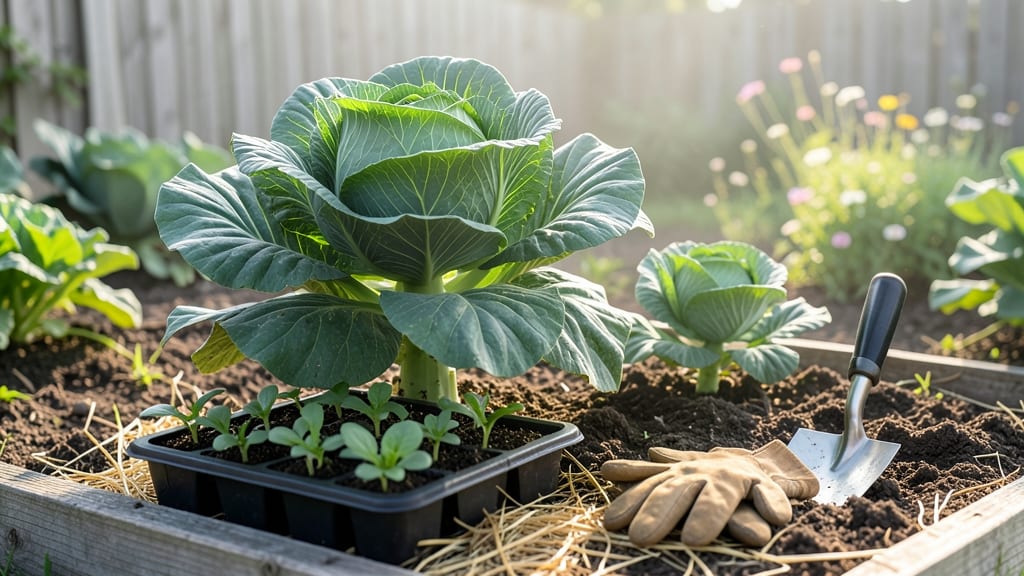
Timing your 🥬 cabbage planting in South Carolina can feel like walking a tightrope—too early, and the heat sends your plants bolting; too late, and you miss the sweet spot for harvest. The key isn’t just about months, but understanding how your region’s microclimate (Coastal vs. Piedmont) changes the game.
If you’ve ever watched your cabbage heads split before reaching maturity or struggled with floppy leaves in summer’s humidity, you know the stakes. The solution? Planting at the right time for your specific zone—whether that’s late summer for fall harvests or early spring to beat the heat.
I’ll break down the exact windows that work for your area, so you can avoid common pitfalls and enjoy crisp, homegrown heads from May through December.
What most gardeners don’t realize is that even within South Carolina, a 10-day difference in planting can mean the difference between a bountiful harvest and wasted effort. Coastal areas like Charleston have milder winters, while Piedmont zones like Greenville face earlier heat spikes.
Let’s dive into the strategies that keep your cabbage thriving—no matter where you’re growing.
Ready to master the art of cabbage timing? You’ll learn how to read your local frost dates, choose the right varieties for your climate, and even extend your growing season with simple tricks. No more guesswork—just reliable, delicious 🥬 cabbage all season long.
South Carolina cabbage planting calendar: Coastal vs Piedmont timing to avoid bolting
Timing your cabbage planting in South Carolina hinges on two critical factors: your microclimate (Coastal vs. Piedmont) and avoiding heat-induced bolting. The Coastal Plain (USDA Zones 8a-9a) enjoys milder winters, while the Piedmont (Zones 7b-8a) faces cooler nights.
Plant too early, and your cabbage will bolt from winter chills; too late, and summer heat will send it to seed prematurely.
For spring harvests, aim to plant 4-6 weeks before your last frost date—typically February 15-March 15 for the Piedmont and March 1-April 1 for the Coastal Plain.
Fall plantings should occur 85-100 days before your first frost (usually July 15-August 15), with Coastal regions having a 2-week later window than Piedmont areas.
Here’s how to align your planting with South Carolina’s unique climate zones to maximize yields and minimize stress:
| Planting Window | Coastal Plain (Zones 8a-9a) | Piedmont (Zones 7b-8a) | Key Considerations |
|---|---|---|---|
| Spring Planting | March 1–April 1 | February 15–March 15 | Soil temps must stay 45°F+; use row covers if nights dip below 35°F. |
| Fall Planting | July 15–August 15 | July 1–July 31 | Plant 85-100 days before first frost; shade cloth helps in August heat. |
| Last Frost Date | March 1–March 15 | March 15–April 1 | Adjust planting 2-3 weeks earlier if your area runs 10°F+ colder. |
| First Frost Date | November 15–December 1 | November 1–November 15 | Use row covers to extend season 2-3 weeks past frost. |
| Heat Tolerance Threshold | 85°F+ (bolting risk) | 80°F+ (bolting risk) | Piedmont bolts 5°F earlier due to cooler nights. |
Notice how the Coastal Plain has a 2-week later window for both spring and fall plantings? That’s because Charleston’s milder winters delay frost dates, while Greenville’s cooler nights require earlier starts.
For fall cabbage, Coastal gardeners can push plantings into early August, but Piedmont growers should stop by July 31 to avoid heat stress.
Pro tip: Check your local frost dates using the SC State Climate Office or Almanac. Even within zones, microclimates (e.g., urban heat islands in Columbia) can shift your ideal window by 1-2 weeks.
For example, Hilton Head may safely plant March 15-April 15 for spring, while Upstate areas should stick to February 20-March 10.
If you’re growing heat-tolerant varieties like ‘Golden Acre’ or ‘Windsor’, you can extend your window by 10-14 days in both regions. However, these varieties still need consistent moisture—drought stress is the #1 cause of bolting in South Carolina’s unpredictable summers.
Aim for 1–1.5 inches of water per week, delivered in the early morning to prevent fungal diseases.
For fall harvests, prioritize late-summer plantings (July–August) and use shade cloth (30-50%) if daytime temps exceed 85°F. Coastal gardeners can sometimes squeeze in a second fall crop by planting August 1-15 with row covers, but this is risky in Piedmont areas where nights cool faster.
Always calculate your harvest timeline backward from your first frost date—75-100 days to maturity is non-negotiable for cabbage.
One common mistake I see in South Carolina gardens? Planting cabbage seeds directly in the ground instead of starting indoors. For spring plantings, begin seeds 6-8 weeks before your last frost (typically January 15-February 1 for Piedmont, February 15-March 1 for Coastal).
This gives seedlings a head start and reduces transplant shock when moving to the garden.
Remember: Cabbage thrives in cool weather—60-70°F is ideal. In South Carolina’s climate, that means spring and fall are your only reliable seasons. Summer heat will send your cabbage bolting faster than you can say “pests.”
Plan accordingly, and you’ll enjoy crisp, homegrown heads from May through December.
5 Pro tips to extend cabbage growing season in South Carolina’s climate
South Carolina’s long, humid summers and mild winters create unique challenges for growing cabbage. But with the right strategies, you can extend your harvest window and avoid the dreaded bolting that ruins your crop. Here’s how I’ve learned to push cabbage growth beyond traditional seasons in my own garden.
First, choose heat-tolerant varieties like ‘Golden Acre’ or ‘Windsor’, which handle South Carolina’s 90°F+ temperatures better than standard types. These varieties stay compact and crisp even when other cabbages bolt in summer heat.
- 🌡️ Monitor soil temperatures—keep them between 55–75°F using mulch (straw or black plastic) to regulate heat. My soil thermometer saved my fall cabbages last year!
- ☀️ Use shade cloth (30–50%) during peak summer months (June–August) to protect plants from direct midday sun. I drape mine over hoops for easy removal.
- 🌱 Practice succession planting—sow new seeds every 2 weeks from February to August to ensure a continuous harvest. My May plantings matured just as my March ones were ready!
- 💧 Water deeply in the morning to avoid fungal diseases like black rot. Drip irrigation keeps roots consistently moist without wetting leaves.
- 🌿 Try fall/winter row covers to protect from light frosts (below 28°F). I use floating row covers to extend harvests into December.
For coastal SC gardeners, timing is everything—start late summer plantings (July–August) under 50% shade cloth to beat the humidity and heat. Inland areas can push fall plantings later (up to September 15) with row covers for frost protection.
One of my biggest successes was growing ‘Windsor’ cabbage in October using black plastic mulch to warm the soil. The heads stayed tight and sweet until December, when I harvested them before the first frost. This trick works especially well in USDA Zone 8a areas like Charleston.
Remember, cabbage hates heat and drought—so adjust your schedule based on your local microclimate. If you’re in Greenville’s Piedmont region, you’ll have 2 extra weeks of growing time compared to coastal Hilton Head. Use these tips to maximize your yield and enjoy homegrown cabbage year-round!