
Plants
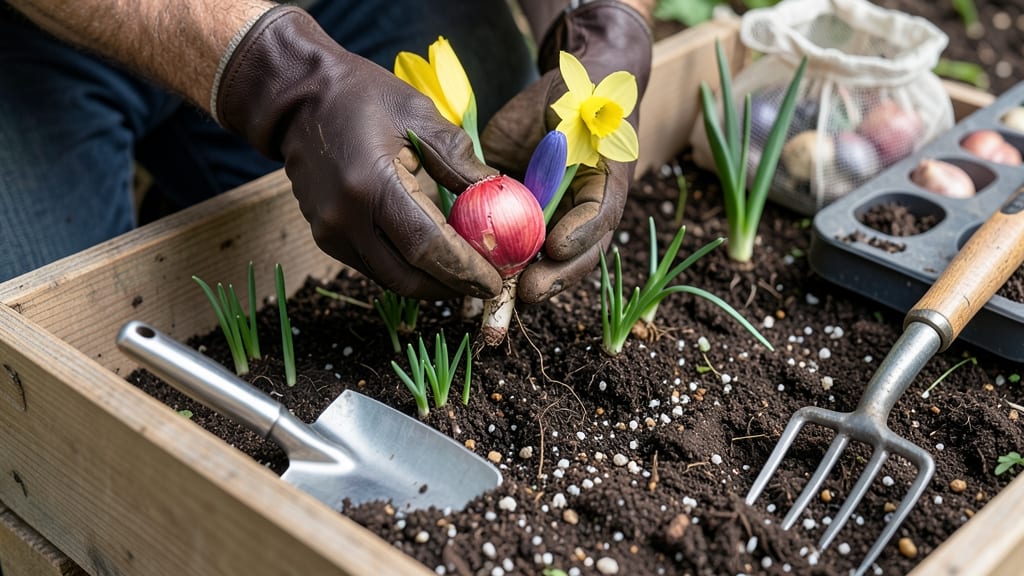
Planting bulbs in New England at the wrong time means wasting money on blooms that never break through the frost—or worse, never even sprout. The 6-week window between late September and mid-November is your golden opportunity to get it right, but timing varies by bulb type and your specific zone (like 5a-6b).
I’ve seen gardeners in Maine and Connecticut struggle with this every year, and the key isn’t just picking a month—it’s understanding your local frost dates and soil conditions.
Whether you’re planting 🌷 tulips for spring color or hardy crocuses that brave early snow, the difference between success and disappointment often comes down to when you put them in the ground.
In this guide, I’ll break down the exact months to plant for zero frost risk, plus pro tips to extend your window if you miss the mark. No more guessing—just a clear, month-by-month schedule tailored to New England’s unpredictable climate.
Ready to set your bulbs up for a showstopping spring? Let’s get started with the first critical step: knowing your zone’s frost timeline.
New England’s frost dates by Zone: the critical window for bulb planting
New England’s USDA Zones 3-6 create a challenging but rewarding environment for bulb planting. The difference between Maine’s harsh Zone 3 and Connecticut’s milder Zone 6 can mean 4-6 weeks of variation in your planting window. Understanding these frost date averages ensures your bulbs establish roots before winter sets in.
For spring-flowering bulbs like tulips and daffodils, the goal is to plant 6-8 weeks before the ground freezes. In Zone 3 (Maine, New Hampshire), this typically means late September to early October, while Zone 6 (Connecticut, Rhode Island) gardeners have until mid-November.
Fall-planted varieties like hyacinths and crocuses follow similar timelines but require slightly earlier planting for optimal root growth.
Microclimates add another layer—urban areas may warm up faster than rural spots, while elevated gardens experience earlier frosts. Always check your local last frost date (usually mid-November) and adjust accordingly. Planting too late risks frost damage to emerging shoots next spring.
Here’s how New England’s zones break down for bulb planting:
| Zone | Avg. Last Frost | Ideal Planting Window | Key Bulb Varieties | Microclimate Tip |
|---|---|---|---|---|
| Zone 3 (Maine, NH) | Mid-October | Late September–Early October | Daffodils, Alliums, Snowdrops | Plant in sheltered spots first |
| Zone 4 (VT, Upstate NY) | Early November | Mid-September–Late October | Tulips, Hyacinths, Crocuses | Use mulch early in exposed areas |
| Zone 5 (MA, W. ME) | Mid-November | Late September–Mid-November | Fritillaries, Grape Hyacinths | South-facing beds warm faster |
| Zone 6 (CT, RI) | Late November | October–Early December | Dutch Iris, Late Tulips | Extend window with row covers |
Spring planting is risky in New England—bulbs need cold stratification to bloom reliably. If you must plant in spring (e.g., March-April), choose hardy varieties like daffodils and expect smaller, later blooms compared to fall-planted bulbs.
For best results, stick to the fall schedule and let winter’s chill work its magic.
Pro tip: Test your soil’s readiness by pushing a bulb into the ground—if it meets resistance, your soil is too cold. Wait 1-2 weeks before planting. This simple check saves bulbs from rot in frozen soil.
Spring-flowering bulbs like tulips need 12-16 weeks of cold to break dormancy. Planting in Zone 3 by late September ensures they’ll bloom in May-June, while Zone 6 plantings in November yield April-May blooms. The key is timing root growth to finish before frost.
For fall-planted bulbs, focus on soil temperature (aim for 50-60°F). Use a soil thermometer to confirm readiness—warm soil speeds root growth, while cold soil slows it down. In Zone 4-5, this often means early October is the sweet spot.
Remember: New England’s weather is unpredictable. Always have a backup plan—like rowing covers or extra mulchearly frost threatens. With the right timing, your garden will burst with color come spring.
Month-by-month bulb planting calendar for New England gardens
New England’s fall planting window is your golden opportunity to get spring blooms without frost damage. Most spring-flowering bulbs like tulips and daffodils need to be in the ground 6-8 weeks before frost, which typically lands in September-October for most of the region.
For late-season varieties like hyacinths or crocuses, you can extend planting until mid-November—just ensure the soil stays workable. Spring planting is possible but risky; bulbs need cold stratification to bloom properly, so only plant hardy varieties like alliums in March-April.
| Month | Bulb Types | Planting Depth | Spacing | Soil Temp |
|---|---|---|---|---|
| September | Tulips, Daffodils, Hyacinths | 6-8" deep | 4-6" apart | 50-60°F |
| October | Crocuses, Snowdrops, Late Tulips | 4-6" deep | 3-5" apart | 45-55°F |
| November | Alliums, Late Hyacinths | 6-8" deep | 5-7" apart | 40-45°F |
| March-April | Hardy Alliums, Some Tulips | 6-8" deep | 6-8" apart | 45-55°F |
Start by amending your soil with compost or bulb fertilizer to encourage root growth. Loose, well-draining soil prevents rot, especially in clay-heavy areas like Maine or Vermont.
Use a trowel or bulb planter to dig holes 3x deeper than the bulb’s height—tulips go 6" deep, while daffodils need 8".
After planting, water deeply to settle the soil and encourage root establishment. Mulch lightly with straw or shredded leaves to insulate bulbs from temperature swings. In Zone 3 (northern Maine), add extra mulch to protect against early freezes.
For spring planting, wait until soil temps reach 50°F and frost risk drops below 30%. Alliums and fritillaries are your best bets—they tolerate late planting better than tulips. Always label your bulbs if planting a mix to track varieties!
Timing matters just as much as technique—plant too early, and bulbs may sprout prematurely; too late, and they won’t establish roots before winter. Use a moisture meter to check soil readiness, and adjust for microclimates like south-facing slopes that warm faster.