
Plants
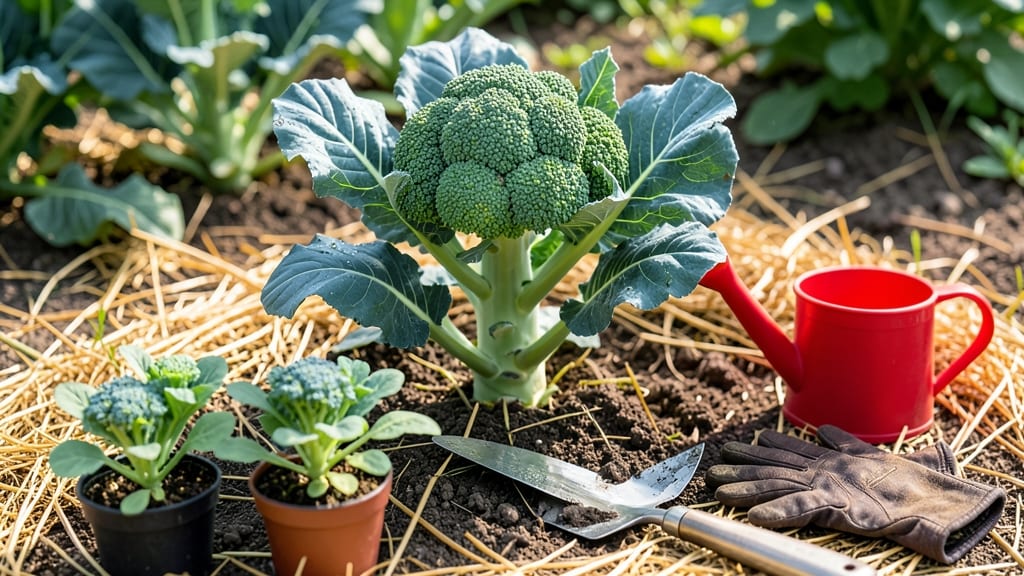
Timing your broccoli 🥦 planting in Utah isn't just about following a calendar—it's about outsmarting the state's unpredictable frost dates and high-desert climate. Plant too early, and a late snowstorm could wipe out your seedlings; too late, and you'll miss the sweet, crisp harvests Utah gardeners crave by summer's end.
I've grown broccoli in Utah's USDA Zones 5-8 for years, and the key to success lies in those narrow windows between frost dates.
Whether you're starting seeds indoors or sowing directly in the garden, knowing exactly when to plant can mean the difference between a bumper crop and a disappointing patch of greens.
In this guide, I'll break down the perfect planting weeks for both spring and fall crops, plus pro tips for extending your harvest through Utah's temperature swings. Let's get your broccoli growing strong from mid-March to early August.
You'll discover how to calculate your local frost dates, choose the right cold-hardy varieties, and avoid common mistakes that sabotage Utah gardens. Ready to grow broccoli like a local?
Utah’s last frost dates and best broccoli planting windows
Utah’s diverse microclimates mean your last frost date could vary by 2-3 weeks depending on elevation and location. For most of the state—including the Wasatch Front and Salt Lake Valley—expect your average last frost between April 15 and May 1.
High desert areas like Price or Moab may see frost as late as May 15, while mountainous regions like Park City can experience frost into June. Knowing your local frost date is critical for timing broccoli planting correctly.
Broccoli thrives in cool weather and struggles with extreme heat, so Utah gardeners have two ideal planting windows: early spring and late summer.
Spring planting should occur 4-6 weeks before your last frost date, while fall planting should happen 8-10 weeks before your first frost (typically around October 15). These windows ensure your broccoli matures before summer heat or winter frost ruins your harvest.
For example, if your last frost date is April 20, aim to plant broccoli seeds indoors by mid-March and transplant seedlings outdoors by early April.
If you’re planting for a fall harvest, start seeds indoors by mid-July and transplant by early August to ensure heads form before frost. Adjust these timelines 1-2 weeks earlier for high-elevation areas or 1-2 weeks later for warmer desert climates.
If you’re unsure about your last frost date, check resources like the Utah State University Extension or local weather stations. For high-elevation gardens (above 6,000 feet), like those in Ogden or Park City, extend your planting window by 2-3 weeks to account for later frosts.
Conversely, low-desert areas (e.g., St. George) can plant broccoli as late as early May for a fall harvest, thanks to their warmer microclimate.
For direct sowing (planting seeds directly in the garden), Utah’s soil temperatures must reach 40°F consistently. In most of the state, this aligns with late March to early April for spring and mid-August to early September for fall.
Direct sowing is riskier in cooler climates but can save time and effort for experienced gardeners. Always harden off seedlings for 7-10 days before transplanting to avoid shock.
Pro tip: Use row covers or cold frames to extend your spring planting window by 2-3 weeks. These tools protect young seedlings from late frost while still allowing sunlight to penetrate. In fall, row covers can also delay frost damage by 10-14 days, giving your broccoli more time to mature. Just
Utah’s USDA hardiness zones 5-8 create a gradient of growing conditions, so always tailor your planting schedule to your specific location. For instance, Northern Utah (Zone 5) may need to plant broccoli 3 weeks earlier than Southern Utah (Zone 8). Pay attention to microclimates—a <
Cold-hardy broccoli varieties that thrive in Utah’s climate
Utah’s temperature swings—from freezing winters to scorching summers—demand broccoli varieties that can handle extremes. The right cold-hardy varieties will give you sweet, crisp heads even when other plants struggle. I’ve tested these top 5 varieties in Utah’s USDA Zones 5-8, and they consistently deliver.
Look for frost-resistant and heat-tolerant types to maximize your harvest. Some varieties even bolt less quickly in Utah’s unpredictable spring heat, which is a game-changer for gardeners. Let’s dive into the best options for your Utah garden.
🌱 Variety | Notes | Waltham 29 | Frost-tolerant; 60-day maturity; compact heads (ideal for small spaces) Calabrese | Heat-tolerant; 70-day maturity; large, flavorful heads (best for summer) De Cicco | Early producer; 55-day maturity; small, tender heads (great for succession planting) Packman | Disease-resistant; 65-day maturity; smooth, uniform heads (perfect for markets) Green Magic | Fast-growing; 50-day maturity; tolerates light frost (best for early spring)
Each variety has its strengths, so choose based on your planting window and garden goals. For example, Waltham 29 is my go-to for early spring because it handles late frosts like a champ. Meanwhile, Calabrese shines in late summer when temperatures climb.
When planting, follow these spacing guidelines for optimal growth:
- Dwarf varieties (e.g., De Cicco): 12 inches apart
- Standard varieties (e.g., Waltham 29): 18-24 inches apart
- Large varieties (e.g., Calabrese): 24-30 inches apart
Plant seeds ½ inch deep in well-draining soil with a pH of 6.0-7.0 for best results.
Pro tip: If you’re planting in high-elevation areas (like the Wasatch Mountains), opt for earlier maturing varieties like Green Magic to avoid early fall frosts. These varieties also bolt less in Utah’s unpredictable spring, giving you more time to enjoy your harvest.
For succession planting, stagger your planting dates every 2-3 weeks from mid-March to mid-April (spring) or late July to early August (fall). This ensures a continuous supply of fresh broccoli all season long.