
Plants
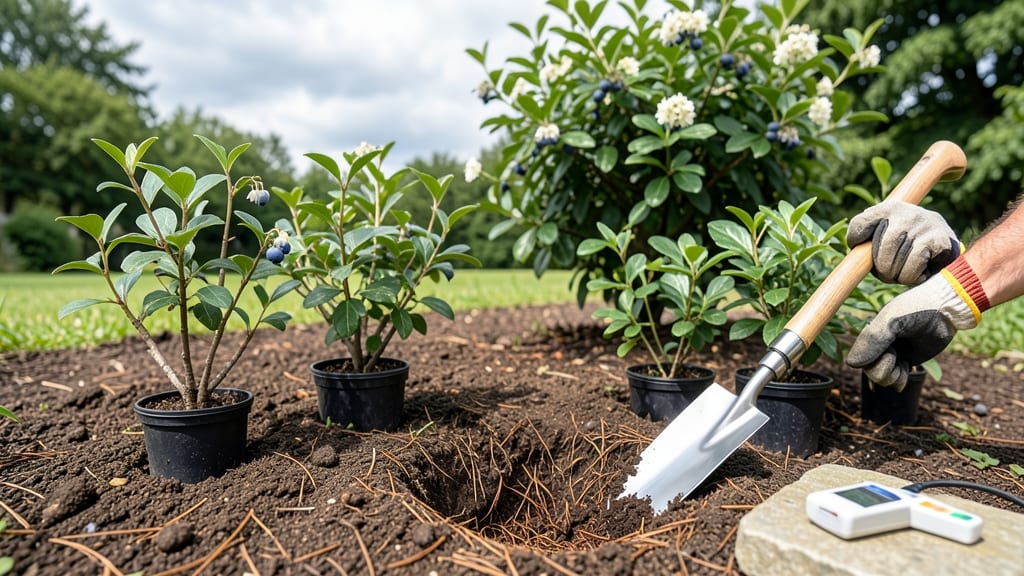
Timing your Blueberry Bush 🫐 planting in Michigan isn’t just about the calendar—it’s about beating the frost and giving your bushes the best shot at thriving. With Michigan’s 5b-6b climate, planting too early or late can mean the difference between a bountiful harvest and struggling plants.
Most gardeners in Michigan swear by spring planting (April-May) when soil temperatures rise above 40°F, but fall (September-October) also works if you act before the first frost. The key? Avoiding late spring freezes that can damage young roots—something I learned the hard way with my first batch of bushes.
Beyond timing, Michigan’s acidic soil demands extra prep work. If your soil isn’t already in the 4.5–5.5 pH range, your blueberries will struggle to thrive.
I’ll walk you through the exact steps to adjust your soil, choose the right varieties for your zone, and even how to protect your bushes from Michigan’s infamous late frosts.
Ready to grow juicy, homegrown blueberries that’ll make your neighbors jealous? Let’s dive into the perfect planting window, soil secrets, and cold-hardy varieties that actually flourish in Michigan’s unpredictable weather.
Best planting windows in Michigan: frost-date calculator & soil prep guide
Michigan’s USDA zones 4b-6b mean your blueberry bushes must survive late spring frosts and early winter chills. The key is planting when soil temperatures hit 40°F (4°C)—typically April to May for spring or September to October for fall.
This timing lets roots establish before dormancy or extreme cold sets in.
Spring planting (after last frost) gives bushes 6-8 weeks to root before summer heat, while fall planting (6 weeks before first frost) avoids drought stress in summer.
For Michigan, aim for mid-April to early May or late September to early October—check your local frost-date calculator (like the National Weather Service or Michigan State University Extension) for precision.
Soil prep is critical: blueberries demand acidic soil (pH 4.5–5.5). Test your soil with a home pH kit or send a sample to MSU Soil Lab.
Amend with peat moss, pine needles, or sulfur if needed. Mix 1 inch of compost into the top 12 inches of soil for nutrients.
Here’s your Michigan blueberry planting timeline:
| Stage | Action | Michigan Window |
|---|---|---|
| Soil Prep | Test pH, amend with peat moss | Fall or 4-6 weeks before planting |
| Planting | Dig hole twice as wide as root ball | Mid-April–May or Sept–Oct |
| Watering | Deep soak (1-1.5 gallons) | Weekly for first 2 months |
| Mulching | 3-inch layer of pine bark | After planting, spring/fall |
| Fertilizing | Acid-loving fertilizer (10-10-10) | April & September |
For spring planting, choose bare-root bushes (available at Michigan nurseries like Star Nursery or Michigan Bulb) and plant while dormant. Soak roots for 2-4 hours before planting to reduce transplant shock.
Space bushes 6–10 feet apart—dwarf varieties (2–4 feet tall) can be closer (3–5 feet).
Fall planting offers cooler soil temps and less stress on young roots. Plant 6 weeks before first frost (typically by October 1st in most of Michigan). Water deeply before freeze-up to protect roots, then add 4–6 inches of mulch (pine straw or wood chips) to insulate.
Michigan’s northern regions (USDA 4b) face shorter growing seasons, so prioritize early-maturing varieties like 'Jersey' or 'Northblue'. Southern Michigan (USDA 6b) can handle 'Bluecrop' or 'Patriot', which thrive in warmer microclimates. Always check nursery tags for cold-hardiness ratings.
Pro tip: Use row covers if planting in late April–May to shield young bushes from late frosts. Remove covers when flowers appear to allow bee pollination. For container growing, plant in acidic potting mix and move pots to protected areas during hard freezes.
Remember: Well-prepped soil and timely planting cut 50% of common blueberry failures in Michigan. Start with pH testing and frost-date research—your future harvests depend on it! 🫐
Top 5 cold-hardy blueberry varieties for Michigan gardens
Michigan’s USDA zones 5b-6b demand blueberry varieties that thrive in cold winters and late spring frosts. The right choice means better yields and less maintenance. Here are my top 5 picks, ranked for frost tolerance, disease resistance, and fruit production.
First, let’s talk about ‘Patriot’ blueberries. This variety is a Michigan favorite because it handles Zone 4 winters (colder than most of the state) and produces sweet, dark blue berries in mid-July. It’s also self-pollinating, so you don’t need multiple bushes for fruit.
Next up is ‘Bluecrop’, a classic that’s high-yielding and disease-resistant. It ripens in late July and thrives in full sun, making it perfect for Michigan’s 6-8 hour daylight windows. Just watch for bird damage—they love these berries too!
For earlier harvests, try ‘Jersey’. This variety ripens in early July and handles Michigan’s humid summers better than most. It’s also compact, ideal for smaller gardens or containers.
🌱 Variety Ratings for Michigan Gardens
🔹 4/5 = Excellent | 🔹 3/5 = Good | 🔹 2/5 = Moderate
‘Northblue’ is another Michigan staple, known for its large, sweet berries and early ripening (late June). It’s also drought-tolerant, which is a bonus during Michigan’s hot, dry summers. Pair it with ‘Patriot’ for cross-pollination.
Lastly, ‘Chippewa’ is a dwarf variety perfect for small spaces or container gardening. It ripens in mid-July and handles Michigan’s humid conditions well, though it produces slightly smaller yields than others on this list.
Pro tip: Buy bare-root plants from Michigan nurseries in early spring (March-April) or fall (September-October) for the best selection. Always check the soil pH—blueberries need 4.5–5.5 to thrive! 🫐