
Plants
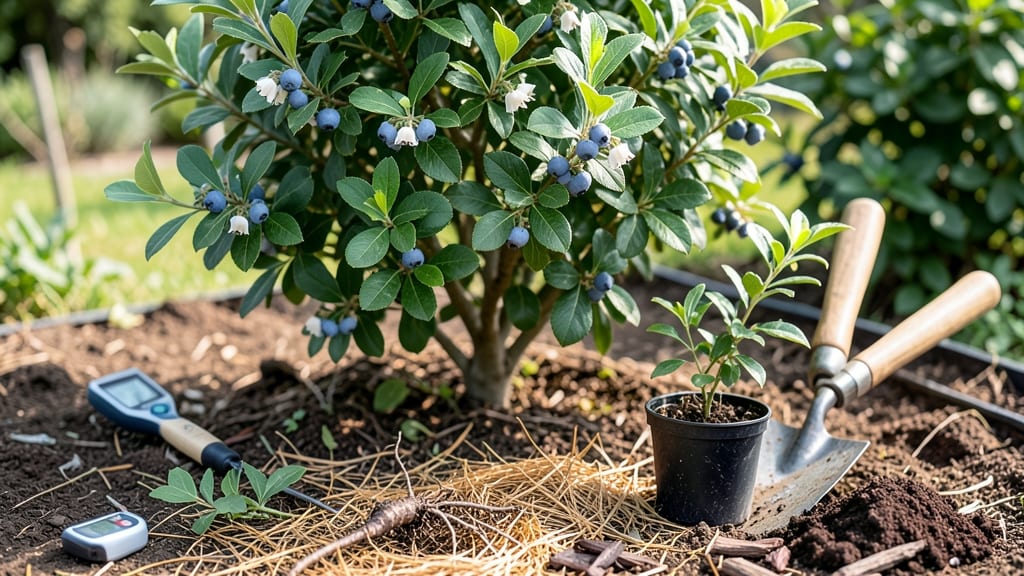
Timing your blueberry bushes 🫐 planting in North Carolina isn't just about picking a month—it’s about matching your variety to the region’s chill hours and avoiding the brutal summer heat or late frosts that can tank your harvest before it starts.
Most NC gardeners swear by fall planting (September-October) because cooler temps mean less transplant shock, but spring (February-April) works too—if you’re in Zone 8b and can beat the heat.
The real secret? Choosing varieties like 'Duke' (600+ chill hours) for the Mountains or 'Premier' (400+ hours) for the Coastal Plain, where winters are milder.
Here’s what I’ll cover: the exact planting windows for your zone, how to prep soil for NC’s acidic-loving bushes, and why coastal gardeners should plant 4-6 weeks earlier than Piedmont growers to dodge those pesky March frosts.
Skip the guesswork—let’s get your 🫐 bushes in the ground at the perfect time for a harvest that’ll make your neighbors jealous.
Best planting times for blueberry bushes in NC by chill-hour Zones
North Carolina’s diverse climate—spanning USDA Zones 6a to 8b—means blueberry planting times vary dramatically. The key factor? Chill hours, which determine whether your bushes flower and fruit. Most NC varieties need 400–800 chill hours, but timing depends on your zone and microclimate.
For Piedmont and Mountain regions (Zones 6a–7a), aim for late winter to early spring (February–April) when soil thaws but frost risk lingers. Coastal areas (Zones 7b–8b) can plant slightly later, into March or early April, thanks to milder winters.
Fall planting is also ideal in NC, especially September–October, when bushes establish roots before winter. This works best for container-grown bushes or areas with mild winters (like the Coastal Plain). Bare-root plants, however, need dormant soil, so fall is riskier in colder zones.
Here’s how NC’s chill-hour zones break down for planting:
| Chill-Hour Zone | Best Planting Window | Recommended Varieties | Microclimate Notes |
|---|---|---|---|
| 400–600 hrs (Coastal Plain) | March–April (spring) or September (fall) | 'Climax,' 'Premier,' 'Tifblue' | Avoid summer heat; mulch heavily. |
| 600–800 hrs (Piedmont) | February–March (spring) or October (fall) | 'Duke,' 'Bluegem,' 'Jersey' | Watch for late frosts; plant on slopes for drainage. |
| 800+ hrs (Mountains) | Late March–April (spring only) | 'Bluecrop,' 'Patriot' | Long winters delay planting; use row covers. |
In Zone 8b (Coastal NC), where winters are mild, you can push fall planting into November for container-grown bushes. However, avoid planting in summer—NC’s heat and humidity stress young roots, leading to transplant shock.
For Mountain regions (Zones 6a–7a), prioritize early spring planting (March) to avoid late frosts. If you plant in fall, do so by mid-October to allow roots to establish before winter dormancy.
Pro tip: Check your last frost date (e.g., March 15 in Raleigh, April 1 in Wilmington) and plant 4–6 weeks before to give bushes time to root before heat arrives. Use a soil thermometer—ideal planting temps are 40–60°F.
Always amend soil with peat moss or sulfur to maintain pH 4.5–5.5, and mulch with pine needles or wood chips to retain moisture and acidity. These steps are critical for NC’s variable rainfall and alkaline soils.
🌱
Best planting times for blueberry bushes in NC by chill-hour Zones
North Carolina’s diverse climate—spanning USDA Zones 6a to 8b—means your blueberry planting window depends on both chill-hour requirements and regional microclimates. Most NC gardeners achieve success by planting in either late winter/early spring (February–April) or fall (September–October), but timing shifts slightly based on your zone and variety.
For example, Mountain regions (Zones 6a–7a) with 800+ chill hours can plant Southern Highbush varieties like 'Tifblue' as early as February, while Coastal Plain (Zones 7b–8b) with 400–600 chill hours should opt for Rabbiteye types like 'Climax' in September–October to avoid summer heat stress.
| Zone | Chill Hours | Best Planting Window | Recommended Varieties |
|---|---|---|---|
| Mountains (6a–7a) | 800+ hours | February–March (spring) or September (fall) | 'Duke,' 'Premier,' 'Bluegem' |
| Piedmont (7a–7b) | 600–800 hours | March–April (spring) or October (fall) | 'Tifblue,' 'Climax,' 'Jersey' |
| Coastal Plain (7b–8b) | 400–600 hours | September–October (fall only) | 'Powderblue,' 'Centennial' |
Fall planting is ideal for container-grown bushes; bare-root plants prefer spring.
Spring planting gives roots time to establish before summer heat, but fall planting (4–6 weeks before first frost) is often preferred in warmer zones because it reduces transplant shock.
For Piedmont gardeners, aim for late September to avoid early winter freezes, while Mountain regions can extend planting into early October.
Regardless of timing, soil temperature is critical—roots won’t grow well below 40°F. Use a soil thermometer to confirm conditions before planting. In Zone 8b (Coastal NC), where winters are mild, fall planting in September ensures dormancy before the first frost, typically around November 15.
Pro tip: If you’re in a transition zone (e.g., Raleigh or Asheville), consider container growing for flexibility. Containers warm up faster in spring and can be moved to protected microclimates if frost threatens. Just ensure your pot has drainage holes and use a well-draining, acidic mix (pH 4.5–5.5).
Timing isn’t just about the calendar—it’s about matching your variety to your microclimate. For instance, 'Climax' (600–800 chill hours) thrives in the Piedmont but may struggle in Coastal NC, where 'Powderblue' (400–600 chill hours) is a better fit.
Always check the chill-hour range on your plant tag before buying.