
Plants
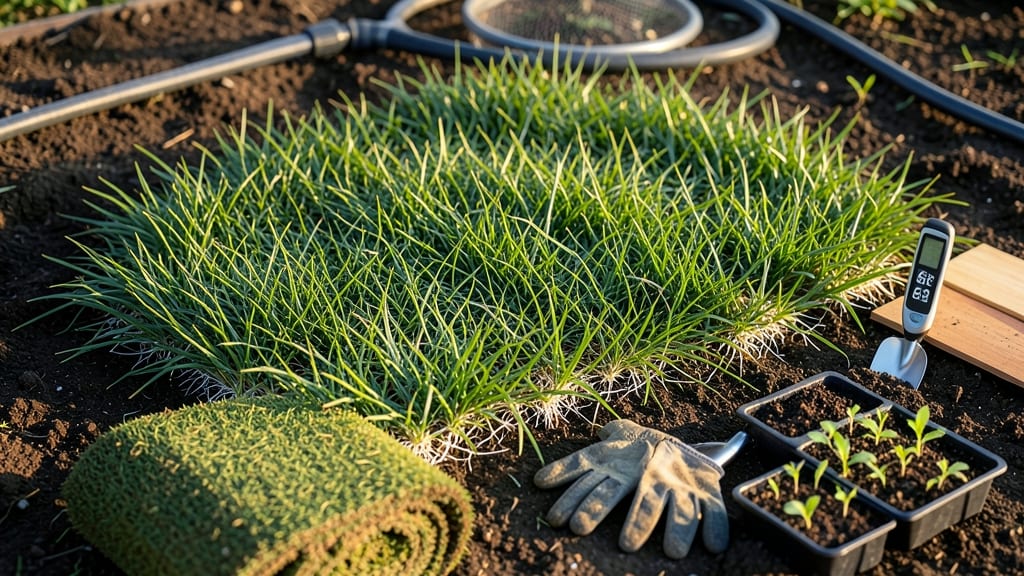
Planting Bermuda Grass in Phoenix isn’t just about timing—it’s about outsmarting the desert’s extreme heat and arid conditions. If you’ve ever watched your lawn struggle or fail to take root during the wrong season, you know how frustrating it can be to get it right.
The best time to plant Bermuda Grass in Phoenix is late winter, when soil temperatures start climbing toward 60°F+—but there’s more to it than just picking a month.
This heat-loving grass thrives when planted before summer’s brutal sun peaks, but skipping proper prep can leave your lawn vulnerable to drought or weeds.
I’ll walk you through the exact window for planting, how to prep your soil for Phoenix’s unique climate, and the critical care steps to ensure your grass establishes strong roots before the real heat hits. No guesswork—just proven strategies for a lush, drought-resistant lawn.
Whether you’re seeding or laying sod, these insights will help you avoid common mistakes and get your 🌱 Bermuda Grass off to the fastest, healthiest start possible. Let’s make sure your lawn doesn’t just survive Phoenix summers—it thrives in them.
Optimal Bermuda grass planting times in Phoenix: month-by-month heat-resistant schedule
Phoenix’s 100°F+ summers and warm winters make Bermuda grass a top choice for drought-resistant lawns—but the planting window is critical. Unlike cool-season grasses, Bermuda thrives in heat, but seedlings struggle when soil temperatures exceed 85°F.
The ideal time to plant is when daytime temps hover between 60°F and 75°F, giving roots time to establish before summer’s intensity.
For Phoenix homeowners, this means focusing on late winter to early spring (February through April). Planting too early (January) risks cold snaps, while waiting until May or June exposes young grass to heat stress and weed competition.
The key is balancing soil warmth with moderate air temperatures to maximize germination rates.
Here’s a month-by-month breakdown of the best planting conditions, including soil temperature thresholds and Phoenix-specific tips to avoid common pitfalls:
One of the biggest mistakes Phoenix gardeners make is waiting until summer to plant Bermuda grass. While the grass itself is heat-tolerant, young seedlings cannot handle direct sun when soil temps exceed 85°F. This often leads to stunted growth or complete failure within weeks.
To mitigate this, I recommend planting sod instead of seed if you must plant in late spring—sod establishes roots faster and can tolerate slightly higher temperatures.
Another critical factor is soil preparation. Phoenix’s native soil is often sandy and low in organic matter, which drains too quickly for Bermuda grass. Amend your soil with compost and a 50/50 sand mix to improve water retention while maintaining drainage.
Test your soil’s pH level (aim for 6.0–7.0) and adjust with lime if needed—alkaline soil is common in Arizona and can hinder nutrient uptake.
Once planted, Bermuda grass in Phoenix enters its fastest growth phase by late spring. By June, you’ll see thick, green coverage if you’ve timed your planting correctly. However, summer isn’t the time to relax—consistent watering (1–1.5 inches per week) and
Spring vs. summer planting: which offers faster establishment for Phoenix lawns?
When deciding between spring and summer planting for Bermuda grass in Phoenix, timing directly impacts your lawn’s success. Spring planting (April-May) offers cooler temperatures and gradual warming, while summer planting (June-July) exposes seedlings to intense heat. Both approaches have unique advantages—and risks—depending on your yard’s conditions.
For faster establishment, spring planting is generally preferred. Cooler daytime highs (85°F-95°F) reduce heat stress, allowing seedlings to develop stronger root systems before peak summer heat arrives.
Summer planting, on the other hand, forces Bermuda grass to adapt quickly to extreme conditions, which can stunt growth if not managed properly.
Here’s how the two methods compare in Phoenix’s climate:
If you choose spring planting, focus on prepping your soil in late winter (February-March) and sowing seeds as soon as daytime temperatures stabilize above 60°F. This gives your grass a 6-8 week head start before summer’s peak heat.
For summer planting, opt for established sod over seeds to minimize heat shock, and prioritize early morning watering to keep soil moisture consistent.
One critical tip for summer planting: use shade cloth during the hottest afternoon hours (12 PM–4 PM) to protect young seedlings. Even Bermuda grass, which thrives in heat, can struggle with 100°F+ temperatures in its early stages.
Mulching with a thin layer of straw also helps retain moisture and regulate soil temperature.
Regardless of when you plant, consistent watering is non-negotiable. Bermuda grass in Phoenix requires 1-1.5 inches of water per week during establishment, delivered in deep soakings rather than frequent light waterings.
Adjust your schedule based on rainfall—June and July are Phoenix’s wettest months, so you may reduce irrigation slightly during monsoon season.
My recommendation? If you’re a first-time planter, spring planting is the safer bet. But if you’re experienced and willing to invest in extra care (like shade protection and frequent water checks), summer sod installation can yield a lush lawn by early fall—just in time for Phoenix’s cooler weather. 🌱