
Plants
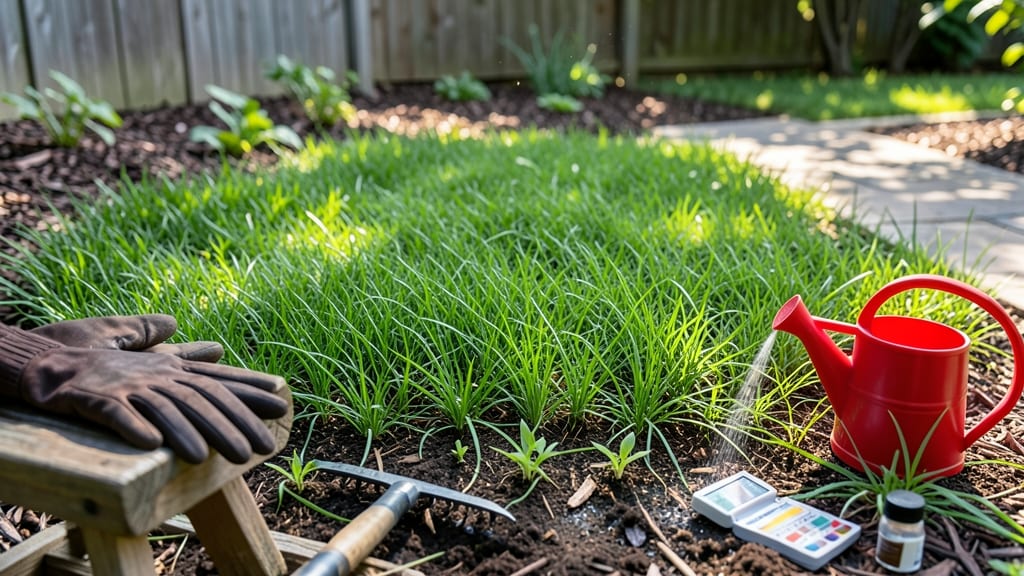
Planting Bermuda Grass 🌱 at the wrong time in San Antonio can turn your dream of a vibrant lawn into a frustrating battle against weak growth and heat stress.
The key to success? Timing it right—when soil temperatures hit 70°F+ and the risk of spring rains or summer drought fades away.
If you’ve ever watched your grass struggle to take root or wither under the Texas sun, you know how critical this step is. I’ve seen firsthand how planting just a few weeks too early can leave your lawn vulnerable to pests, shallow roots, and uneven coverage.
But get the timing perfect, and you’ll be rewarded with deep, resilient roots that spread quickly—giving you that lush, green carpet by summer.
San Antonio’s Zone 8b climate gives you two prime windows: late February through early April for spring planting, or late August through early September for fall. Each has its own advantages, and I’ll break down which one works best for your yard’s specific conditions.
Let’s dive into the exact months and tips to ensure your Bermuda Grass thrives.
Whether you’re starting from seed or sod, understanding these nuances will save you time, money, and frustration. You’ll learn how to prep your soil, adjust for microclimates, and avoid common pitfalls that derail even the best-laid plans. Ready to transform your lawn into the envy of the neighborhood?
Best months to plant Bermuda grass in San Antonio for maximum root development
San Antonio’s USDA Zone 8b-9a climate creates a unique challenge for Bermuda grass—plant too early, and spring rains drown your seeds; too late, and summer heat stresses young plants.
The sweet spot is when soil temperatures consistently hit 70°F+, ensuring rapid germination and deep root establishment before extreme heat arrives.
For San Antonio homeowners, the ideal planting windows are April–May (spring) and late August–September (fall). These periods balance soil warmth, rainfall patterns, and daylight hours to give your Bermuda grass the best chance to thrive.
Avoid planting in June–July when temperatures often exceed 95°F, causing seed desiccation.
🌱
| Planting Window | Soil Temp Requirement | Key Climate Factors | Root Development Timeline |
|---|---|---|---|
| Late February–Early April | 60°F–65°F (risky) | Unpredictable spring rains, cooler nights | Slow (3–4 weeks) |
| April–May | 70°F+ (optimal) | Warm days, moderate rainfall | Fast (2–3 weeks) |
| June–July | 90°F+ (avoid) | Extreme heat, drought risk | Poor survival |
| Late August–September | 75°F–85°F (ideal) | Cooling temps, steady moisture | Strong (3–4 weeks) |
| October–November | 60°F–65°F (risky) | Early frost potential | Slow (4+ weeks) |
My top recommendation for San Antonio gardeners is late April–early May or late August–early September. These windows align with peak soil warmth while avoiding the brutal summer heat that can fry new seedlings.
For example, planting in May gives your grass 6–8 weeks of warm weather to establish roots before July’s 100°F+ temperatures.
If you’re planting in fall, aim for late August—this gives your Bermuda grass time to develop a robust root system before December’s first frost (typically around December 1). Fall-planted grass also benefits from cooler nights, reducing stress on young plants.
For microclimate adjustments, consider your yard’s specific conditions. Shady areas may need earlier planting (e.g., March) to compensate for reduced sunlight, while south-facing slopes can handle June planting if you provide extra water during establishment.
Pro tip: Use a soil thermometer to confirm temperatures before planting. Bermuda grass seeds won’t germinate below 65°F, and waiting for 70°F+ ensures faster, stronger growth. In San Antonio, soil temps typically hit this threshold by mid-April.
💧
One common mistake I see is planting too early in February–March when San Antonio’s spring rains can cause seed rot or fungal diseases. Always check the 7-day forecast—plant only when rains are light to moderate.
For fall planting, avoid October if frost is forecasted within 4–6 weeks.
For maximum success, pair your planting timeline with proper soil prep (covered in the next section). Well-aerated, sandy-loam soil with a pH of 6.0–6.5 is critical for Bermuda grass to establish deep roots quickly.
Skipping soil prep can delay growth by 2–4 weeks, leaving your lawn vulnerable to weeds and pests.
Best months to plant Bermuda grass in San Antonio for maximum root development
San Antonio’s USDA Zone 8b-9a climate means timing is everything for Bermuda grass. Planting too early risks spring rains and fungal diseases, while late planting leaves grass vulnerable to summer drought. The sweet spot? Two optimal windows where soil temperatures and rainfall align perfectly.
For spring planting, aim for late April to early May when soil warms to 70°F+. This gives roots time to establish before June’s brutal heat. Fall planting should happen late August to early September—early enough for root growth before cool-season dormancy sets in.
Here’s why these windows work best in San Antonio’s climate:
| Planting Window | Soil Temp | Rainfall Risk | Heat Risk |
|---|---|---|---|
| Late April–Early May | 70°F+ | Low (post-rainy season) | Moderate |
| Late August–Early Sept | 75°F+ | Very Low | Low (cooling trend) |
Bermuda grass thrives in full sun (6+ hours daily), but San Antonio’s microclimates matter. North-facing yards may need earlier planting to compensate for less sunlight, while south exposures can handle late-summer starts with confidence.
Pro tip: Use a soil thermometer to confirm 70°F+ soil temps before planting. Cold soil delays germination and weakens root systems, leaving your lawn struggling when summer arrives.
For fastest establishment, prioritize September planting—grass grows aggressively in fall’s mild temps, giving it a head start before winter dormancy. Just avoid planting after October 15, when cooler nights slow growth.
🌱