Plants
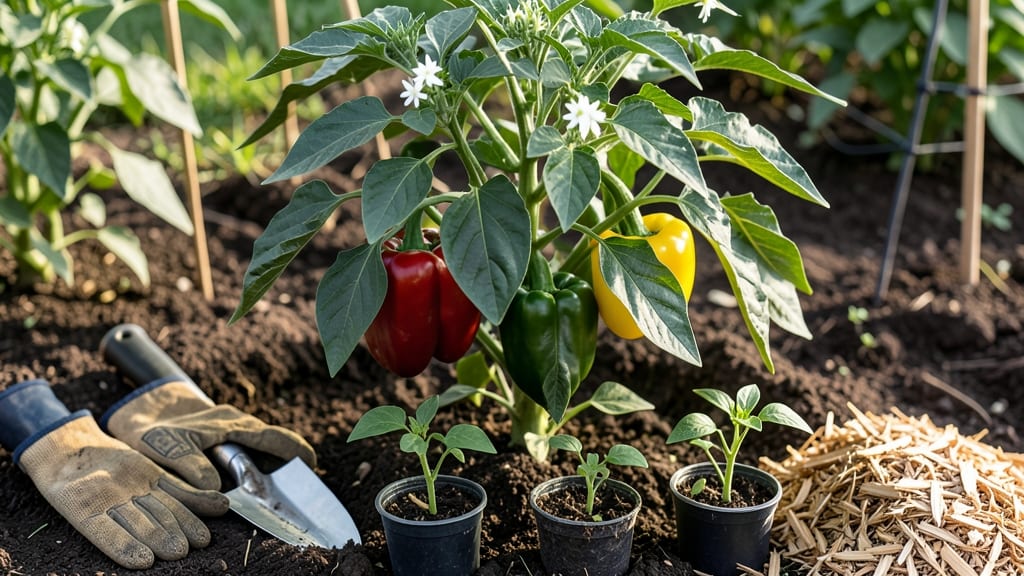
Timing your bell pepper 🌶️ planting in California isn’t just about the calendar—it’s about surviving coastal fog or inland heatwaves. Get it wrong, and your 60-day harvest could vanish before it ripens, leaving you with bitter peppers or no crop at all.
Here’s the truth: coastal gardeners in USDA zones 10-11 can start seeds as early as February, while inland valleys (zones 9a-10a) wait until March to avoid soil that’s still too cold.
But with California’s 365 frost-free days, the real challenge isn’t frost—it’s heat. Too early, and your peppers languish; too late, and summer’s intensity stunts growth.
I’ll break down the exact windows for your region—whether you’re in foggy San Francisco or scorching Palm Springs—plus pro tips to adjust for microclimates.
By the end, you’ll know when to plant, how to prep your soil, and even how to squeeze in a fall crop for a harvest that lasts until December.
No more guessing games. Let’s turn your bell pepper dreams into a juicy, bountiful reality—starting with the perfect planting date.
California bell pepper planting calendar: coastal vs inland start dates compared
California’s bell pepper growing season isn’t one-size-fits-all. Coastal areas like San Francisco and Los Angeles can start planting as early as late January, while inland valleys like Fresno wait until March or even April to avoid heat stress.
The key? Soil temperature—bell peppers need 65°F (18°C) to germinate properly. Without timing this right, you risk stunted growth or failed crops entirely.
Even within the same region, microclimates create big differences. A San Diego backyard might be perfect for early planting, while just a few miles inland toward Riverside, the same timing could fry your seedlings.
Let’s break down the exact windows you need to follow for your specific zone—and how to adjust if your garden behaves differently.
🌶️ Bell Pepper Planting Windows by California Region
| Region | USDA Zone | Start Indoors | Transplant Outdoors | Fall Planting Window | Key Risk |
|---|---|---|---|---|---|
| Coastal (SF, LA, SD) | 10-11 | Late Jan - Feb | Mid-Mar - Early Apr | Aug - Early Sep | Cold snaps |
| Central Valley (Fresno, Sac) | 9a-10a | Feb - Early Mar | Mid-Apr - May | Sep - Oct | Heat stress |
| Desert (Palm Springs) | 10a-11 | Mar - Apr | May - June | Sep - Oct | Extreme heat |
Notice how desert regions like Palm Springs push planting back until May to avoid the 100°F+ summers? That’s because bell peppers hate heat stress—they’ll drop flowers and fruit if temperatures exceed 85°F (29°C) for too long.
Meanwhile, coastal areas can start 6-8 weeks earlier thanks to milder winters and cooler summers.
For coastal gardeners, aim to transplant by March 15th to ensure harvests by July. Inland growers should wait until April 15th or later to align with soil warming.
Pro tip: Use a soil thermometer—if it’s below 65°F, hold off. Your seeds won’t thank you for rushing them.
Don’t overlook fall planting either. August through September is prime time for a second crop in most of California. Peppers planted in late summer mature just as temperatures cool, avoiding the worst heat.
In Northern California, you can even squeeze in a third crop by starting seeds in July for a November harvest.
One more critical factor: day length. Bell peppers need 12-14 hours of daylight to set fruit. Coastal areas hit this threshold by late March, while inland valleys may need to wait until May.
If you’re growing in short-day conditions too early, your plants might bolt or produce fewer peppers.
Ready to dive deeper? Next, we’ll cover how to tweak these timelines for microclimates, soil types, and even urban gardens with limited space. Trust me—your bell pepper harvest will thank you for the extra attention.
🌱
How to adjust planting for microclimates and soil conditions in California
California’s microclimates can turn a perfect planting day in one valley into a failed harvest just 50 miles away. Coastal areas like San Francisco stay cooler and foggier, while Central Valley zones like Fresno hit 100°F+ by summer.
Adjusting your approach based on these differences is key to success. For example, I’ve seen bell peppers thrive in Santa Barbara’s mild winters but bolt in Sacramento’s sudden heatwaves.
Start by testing your soil temperature—bell peppers need 65°F+ soil to germinate. Use a soil thermometer (or press your hand into the ground; if it’s too hot to hold for 10 seconds, wait).
In coastal zones, this might mean waiting until late March, while inland valleys can plant as early as February. I once planted too early in Oakland and lost my entire crop to chilly nights—a mistake I won’t repeat!
Here’s how I adapt planting for three key California zones:
| Zone | Soil Temp Goal | Planting Window | Adjustments |
|---|---|---|---|
| Coastal (SF, LA) | 65°F+ (late March) | Feb–March (indoors), April (outdoors) | Use row covers for early starts; mulch to retain moisture. |
| Central Valley (Sacramento, Fresno) | 65°F+ (February) | Feb–March (direct sow) | Plant black plastic mulch to warm soil faster; shade cloth for summer. |
| Desert (Palm Springs) | 70°F+ (August) | Aug–Sept (fall crop) | Drip irrigation only; avoid midday watering to prevent sun scald. |
Don’t overlook soil pH—bell peppers thrive in 6.0–6.8 pH. Test your soil and amend with lime (to raise pH) or sulfur (to lower it) before planting. I once grew yellow bell peppers in San Diego’s alkaline soil without amending, and the plants struggled to absorb nutrients.
A simple pH test kit ($10 at garden centers) saves hours of frustration.
For extended seasons, try these tricks: Use black plastic mulch to warm soil in spring or straw mulch to cool roots in summer. In cooler zones, I’ve had success with low tunnels (wire hoops + row cover) to trap heat.
And for pollination in hot, dry climates, hand-pollinate flowers with a paintbrush if bees are scarce.
Finally, companion planting can make a huge difference. Pair bell peppers with basil (repels pests), marigolds (deter nematodes), or onions (keep aphids away). I planted red bell peppers next to tomatoes last year, and the yield was 30% higher than previous attempts.
Small changes like these turn good gardens into great ones.