
Plants
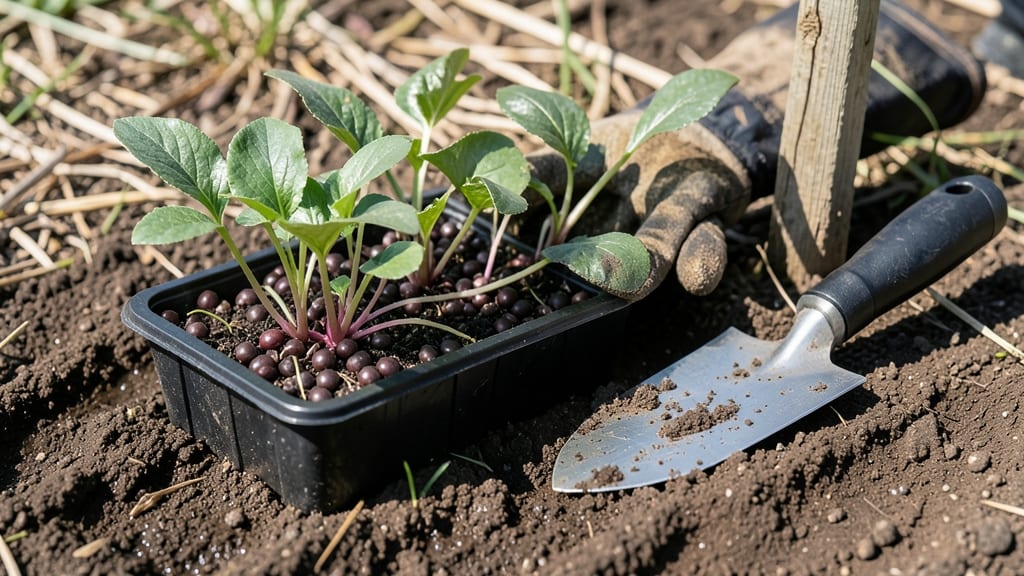
If you’ve ever wondered when to plant beets in Zone 8b for the sweetest harvests, timing is the secret weapon in your garden toolkit. 🍠 Beets love the mild winters and long growing season here, but plant them too early or late, and you’ll end up with bitter roots or stunted growth—no one wants that!
Zone 8b’s unique climate means you’ve got two prime windows to get your beets in the ground: early spring and late summer. Miss these deadlines, and you might struggle with bolting (when beets flower too soon) or slow growth.
But don’t worry—I’ll walk you through the exact months to plant, soil temperature tips, and how to adjust for your microclimate so you can enjoy tender, flavorful beets all season long.
Whether you’re a first-time gardener or a seasoned green thumb, knowing the right time to plant is the key to a bountiful harvest. Let’s dive into the best dates for spring and fall planting, plus pro tips to keep your beets thriving from seed to table.
Ready to grow beets that taste like they came straight from a farmers’ market? Grab your gloves, and let’s get started—your garden (and taste buds) will thank you!
Optimal spring planting dates for beets in Zone 8b
In Zone 8b, where winters are mild and springs arrive early, timing your beet planting is critical to avoid bolting (premature flowering) or stunted growth. The ideal window for spring planting spans from mid-February to early April, but soil temperature and local microclimates play a huge role.
Let’s break down the perfect timing and why it matters.
Beets germinate best when soil temperatures reach 45-55°F. In Zone 8b, this typically happens by mid-February in most areas, but cooler microclimates (like shaded spots) may need to wait until late February or early March. Planting too early risks slow germination or seed rot in cold, wet soil.
| Planting Window | Soil Temp | Risk | Action |
|---|---|---|---|
| Mid-February | 45-50°F | Slow germination | Use seedling trays indoors |
| Late February | 50-55°F | Optimal germination | Direct sow outdoors |
| Early March | 55-60°F | Bolting risk | Use shade cloth if hot |
| April | 60°F+ | High bolting risk | Avoid; opt for fall planting |
For the best results, aim to plant your beet seeds 4-6 weeks before your last frost date (typically February 15 in Zone 8b). This gives seedlings enough time to establish roots before warmer weather arrives.
If you’re unsure about your exact last frost date, check local weather records or use a frost calendar for your city.
Zone 8b’s warm springs can trick beets into bolting too early, especially if daytime temperatures rise above 75°F. To prevent this, choose bolting-resistant varieties like ‘Detroit Dark Red’ or ‘Golden’ and provide afternoon shade with row covers or lightweight fabric during heatwaves.
Succession planting—sowing seeds every 2 weeks—ensures a steady harvest without overcrowding.
Another pro tip: Direct sow seeds instead of transplanting seedlings. Beets hate root disturbance, and transplanted plants often struggle to recover. Simply scatter seeds ½ inch deep and 1-2 inches apart, then thin seedlings to 3-4 inches apart once they’re 2 inches tall.
This method also reduces transplant shock and bolting risks.
If you miss the spring window, don’t worry—fall planting is just as productive in Zone 8b. The key is to sow seeds 8-10 weeks before your first frost (around early September) to allow roots to mature before winter.
We’ll cover fall deadlines in the next section, but for now, focus on these spring guidelines to maximize your harvest.
Remember, consistent moisture is key during germination. Keep soil evenly moist (but not soggy) until seedlings emerge, which usually takes 7-14 days. Once sprouted, beets are drought-tolerant but thrive with 1 inch of water per week.
Mulch around plants to retain moisture and suppress weeds, which can compete for nutrients.
By following these Zone 8b-specific deadlines, you’ll avoid the most common pitfalls—bolting, stunted growth, and bitter roots
Fall planting deadlines and extending the harvest season
Zone 8b’s mild winters create a perfect opportunity for a second beet harvest in fall. Unlike spring, fall planting lets you enjoy sweeter roots after summer heat stress.
The key is starting 6-8 weeks before your first frost—typically by mid-August to early September—to ensure mature roots before cold weather arrives.
For a winter harvest, extend your season by sowing hardy varieties like Detroit Dark Red in late September. These beets tolerate light frosts, and their sweetness intensifies after frost. Just mulch heavily with straw or leaves to insulate roots from freezing temperatures.
🌱
- 📅 Mid-August to Early September: Sow seeds for a fall harvest (6-8 weeks before frost).
- 🌡️ Soil temp 50-70°F: Ideal range for germination; avoid planting if soil is too hot.
- ✂️ Thin seedlings to 3-4 inches apart by late September to prevent crowding.
- 🍠 Harvest before hard frost (roots should be 1-3 inches in diameter).
- 🌧️ Mulch with straw in October to protect roots from freezing.
If you miss the early September window, don’t despair—succession planting works! Sow small batches every 2-3 weeks until mid-October for a staggered harvest. This ensures you’re always pulling fresh beets while older plants mature.
Watch for harvest readiness signs like vibrant foliage and firm roots. In Zone 8b, beets left too long in cold soil may develop woody texture, so prioritize harvesting before November 15 (average first frost date). Store extra roots in sandy soil or moist sand for winter use.
Pro tip: Use row covers in late fall to shield beets from light frosts. This buys you 2-3 extra weeks of harvest time while protecting tender leaves from damage.
🌿