
Companion Plants
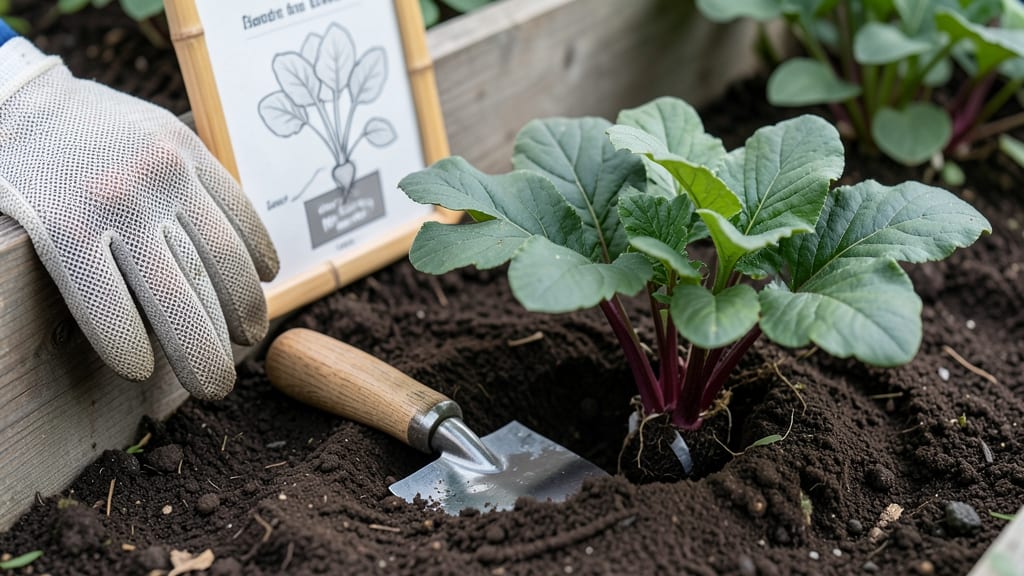
If you're asking "when can I plant beets in Zone 7", timing is the secret to juicy, tender roots instead of bitter, woody ones. Zone 7 gardeners have two prime windows—early spring and late summer—but getting it wrong means missing out on that sweetest harvest of the season.
Spring planting kicks off as soon as soil warms to 50°F (usually by mid-March), while fall crops thrive when sown in July or August. The key? Avoid bolting (when beets flower and turn tough) by sticking to these cool-season windows and using shade cloth if summer heat creeps in.
Whether you're growing Detroit Dark Red for roasting or golden beets for salads, I'll break down the exact dates, soil prep, and even how to extend your harvest with succession planting. Let's make sure your 🍠 beets stay sweet from June through November.
Ready to grow beets that taste like they came from a farmers' market? The first step is knowing exactly when to plant—and I've got the Zone 7-specific schedule you need to succeed.
Ideal planting windows for beets in Zone 7: spring vs fall schedule
In Zone 7, beets love the mild springs and cool falls, but timing matters to avoid bitter, woody roots. Plant too early, and frost will damage seedlings; too late, and summer heat triggers bolting (flowering).
The sweet spot? Early spring and late summer—when soil temps hover between 45°F and 85°F.
Most Zone 7 gardeners start seeds 4-6 weeks before the last frost (around mid-March), aiming for April 15 as the safe mark. For fall, sow seeds 8-10 weeks before the first frost (typically early August), with harvests wrapping up by October 15.
Here’s how to align your planting with Zone 7’s climate for maximum success:
| Season | Planting Window | Soil Temp | Key Notes |
|---|---|---|---|
| Spring | Mid-March to early April | 45°F–65°F | Start indoors 4 weeks before last frost for head start. |
| Spring | Late April to May | 50°F–70°F | Direct sow after soil warms; mulch to retain moisture. |
| Fall | Early August to mid-August | 60°F–75°F | Sow seeds 8–10 weeks before first frost for harvest before cold. |
| Fall | September (succession) | 55°F–65°F | Plant every 2 weeks for staggered harvests through October. |
Spring planting is your best bet for large, tender roots, but don’t overlook fall—it’s when beets develop their sweetest flavors as they convert starches to sugars in cooler weather. In Zone 7’s humid summers, beets sown after mid-June risk bolting, so stick to early August for fall crops.
Use a soil thermometer to confirm temps: beets germinate best in 50°F–70°F soil. If your spring is slow to warm, opt for cold-hardy varieties like ‘Detroit Dark Red’ or use row covers to protect seedlings from late frosts.
For continuous harvests, try succession planting every 2 weeks in spring and fall. This ensures you’re always pulling fresh beets while avoiding overcrowding, which leads to small, misshapen roots. Just mark your calendar for April 15 (last frost) and October 15 (first frost) to plan your schedule.
Pro tip: Direct sow beets instead of transplanting—seedlings handle the transition poorly. Scatter seeds ½ inch deep and thin to 3–4 inches apart once they’re 2 inches tall. This spacing gives roots room to grow without competing for nutrients.
If you’re in Zone 7’s inland areas (like Raleigh or Richmond), expect slightly warmer springs and can plant 2 weeks earlier than coastal zones (e.g., Norfolk). Always check your local frost dates—they can vary by 1–2 weeks even within the same zone.
Remember: Beets are cool-season crops, so they’ll bolt if stressed by heat or drought. Keep soil moist and mulched, and you’ll enjoy sweet, juicy harvests from spring through fall. 🌱
Ideal planting windows for beets in Zone 7: spring vs fall schedule
Zone 7 gardeners have two prime windows to plant beets: early spring and late summer. The key is avoiding hot summer months (June-August) when beets bolt—shooting up flower stalks instead of forming sweet roots.
For me, the sweet spot starts 4-6 weeks before the last frost in spring and ends 8-10 weeks before the first frost in fall.
In Zone 7, your last frost date typically falls around April 15, so I begin sowing seeds March 15-April 1. For fall crops, aim to plant July 15-August 15 to harvest before October 15, when the first frost hits.
These timelines ensure tender roots without the bitterness that comes from heat stress.
| Season | Planting Window | Soil Temp | Harvest Window |
|---|---|---|---|
| Spring | March 15-April 15 | 45-55°F | June-July |
| Fall | July 15-August 15 | 50-60°F | October-November |
For succession planting, I sow new seeds every 2 weeks in spring and 3 weeks in fall to keep a steady supply. This works because beets mature in 50-70 days, so staggered plantings prevent gluts.
Just remember: never plant when soil temps exceed 80°F—that’s when bolting becomes inevitable.
If you’re in a cooler microclimate (like higher elevations in Zone 7), you can push spring planting to early May. Conversely, in warmer inland areas, start fall plantings by mid-July to avoid summer heat.
Always check your local frost dates—they can vary by 1-2 weeks even within the same zone.
One pro tip: Direct-sow seeds—beets hate transplanting. Drop them ½ inch deep and 1-2 inches apart, then thin to 3-4 inches once sprouts appear. This spacing gives roots room to grow without competing.
Mulch with straw to keep soil moist and cool, which is critical in Zone 7’s hot summers.
Finally, watch for leaf miners and leaf spot in humid Zone 7 summers. Rotate crops yearly and avoid overhead watering to prevent fungal issues. With the right timing, you’ll enjoy sweet, tender beets from June through November—no tough, woody surprises! 🌱