
Plants
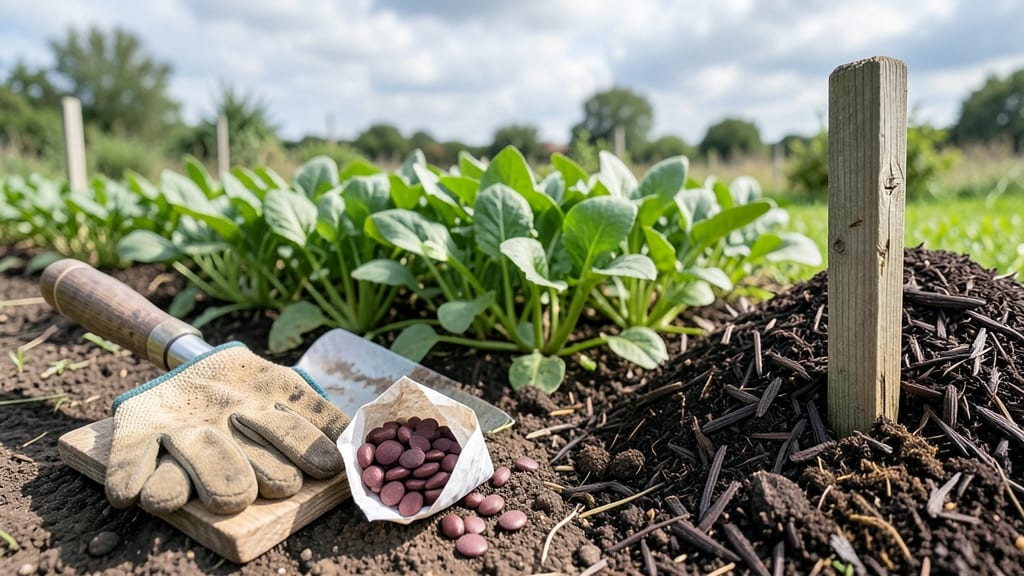
Timing your beet planting in Zone 5b could mean the difference between sweet, tender roots and bitter, tough ones—so let’s get this right. These 🍠 powerhouses love cool weather but bolt fast when temperatures climb, making the spring and late summer windows your best bets.
In Zone 5b, where last frost typically hits around April 15, you’ve got two prime chances: sow seeds as early as March (when soil warms to 40°F) or again in July for a fall harvest.
The key? Start seeds indoors or use frost blankets to protect them from late freezes—because nobody wants to wait all season for edible beets.
But here’s the catch: rushing too early or too late can turn your garden into a beet graveyard.
I’ll show you exactly how to time it—plus soil prep tricks and variety picks—to ensure your beets grow fast, sweet, and ready to harvest by July or October, depending on when you plant.
Ready to grow beets that’ll make your neighbors jealous? Let’s dive into the perfect schedule for Zone 5b’s unpredictable climate—because with the right timing, you’ll be feasting on homegrown beets all season long.
Best planting times for beets in Zone 5B: early spring and late summer
Zone 5B’s chilly springs and cool falls create perfect conditions for growing sweet, tender beets. Unlike heat-loving crops, beets thrive when soil temperatures stay between 45°F and 80°F.
In my garden, I’ve found that planting too early or too late can turn those delicious roots bitter or woody—so timing is everything!
For spring plantings, aim to sow seeds 4-6 weeks before your last frost date (typically around mid-March to early April in Zone 5B). This gives seedlings enough time to mature before summer’s heat sets in.
In my experience, starting seeds indoors 3-4 weeks before transplanting can give you a jumpstart on the season.
Don’t overlook fall plantings either! Beets are one of my favorite cool-season crops for late summer. Sow seeds 8-10 weeks before your first frost (usually late July to early August in Zone 5B). This ensures a harvest before winter sets in, giving you fresh beets through October or November.
| Planting Window | Soil Temp | Key Considerations | Harvest Window |
|---|---|---|---|
| Early Spring (March-April) | 45°F-70°F | Sow 4-6 weeks before last frost; thin seedlings to 3-4" | June-July |
| Late Summer (July-August) | 50°F-75°F | Sow 8-10 weeks before first frost; use shade cloth if needed | October-November |
The last frost date in Zone 5B is around April 15, but don’t let that fool you into planting too early. Cold soil can stunt seed germination. I always test soil temperatures with a soil thermometer—aim for at least 45°F before sowing.
If your spring is unpredictable, consider using row covers to protect young seedlings from late frosts.
For succession planting, I recommend sowing new seeds every 2-3 weeks during spring and fall. This staggered approach ensures a continuous supply of fresh beets all season long. In my garden, this means planting in March, April, July, and August for maximum yield.
One common mistake I see is planting beets when soil temperatures exceed 80°F. Heat stress causes beets to bolt prematurely, resulting in bitter, tough roots.
To combat this, I always plant shade-tolerant varieties like ‘Detroit Dark Red’ in late summer and use light shade cloth during peak afternoon heat.
Pro tip: If you’re eager to start early, try winter sowing in late fall. Place seeds in containers with potting mix, then leave them outside uncovered. By spring, you’ll have head starts ready for transplanting—no indoor lighting required!
Remember, Zone 5B’s short growing season demands smart planning. By following these timing guidelines, you’ll enjoy homegrown beets from early summer through fall—no store-bought substitutes needed!
Best planting times for beets in Zone 5B: early spring and late summer
Zone 5B’s cool climate makes it perfect for growing sweet, tender beets, but timing is everything. Plant too early, and you risk bolting (going to seed). Plant too late, and roots may turn woody or bitter.
The ideal windows are early spring and late summer, when soil temperatures hover between 45°F and 75°F.
For spring plantings, start seeds indoors 4-6 weeks before your last frost date (typically around March 1-15 in Zone 5B). Direct-sow outdoors once soil warms to 45°F—usually mid-March to early April. This gives you harvest-ready beets by late May or June, just as summer heat arrives.
📅 Zone 5B Beet Planting & Harvest Timeline
| Stage | Action | Notes |
|---|---|---|
| Early Spring | Direct-sow seeds March 15–April 15 | Soil temp: 45–55°F |
| Late Summer | Direct-sow seeds July 1–August 15 | Harvest before frost (Oct 15) |
| Harvest Window | June–July (spring) & Oct–Nov (fall) | Roots 1–3" diameter |
Don’t overlook late summer plantings for a fall harvest! Sow seeds July 1–August 15 to beat the first frost (October 15). Choose fast-maturing varieties (50–55 days) to ensure roots mature before temperatures drop. Mulch with straw or leaves to extend the season and protect tender greens.
Zone 5B’s short growing season (about 165 frost-free days) demands efficiency. Space plantings 2 weeks apart in spring and 3 weeks apart in summer for a continuous harvest. Avoid planting beets when daytime temps exceed 80°F, as this triggers bolting and bitter flavors.
Pro tip: Use black plastic mulch in spring to warm soil faster and row covers in fall to delay frost. These tricks help you stretch your planting windows by 1–2 weeks on either end. Pair beets with companion plants like lettuce or radishes to maximize space and deter pests.
For container gardening, plant seeds in deep pots (12"+ depth) and keep them in a sunny spot with consistent moisture. Containers warm up faster than soil, so start them 1 week earlier than in-ground plantings. Just ensure pots have drainage holes to prevent rot.