
Plants
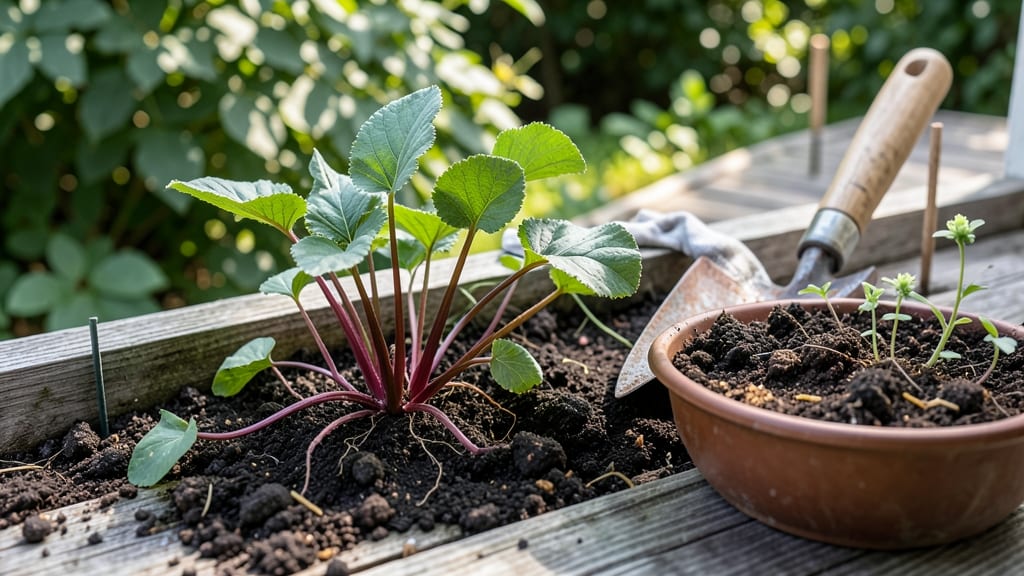
Timing your fall beet planting could mean the difference between sweet, tender roots and bitter, woody failures—especially in Zone 6a where frost sneaks up fast.
I’ve learned the hard way that planting too early risks bolting, while waiting too long means frost ruins your harvest before you even taste those earthy rewards.
Here’s the secret: aim for 4-6 weeks before your first frost—typically mid-August to early October—for beets that mature just as temperatures dip. This 3-week window is your sweet spot, where cooler air enhances flavor while giving roots time to plump up before winter sets in.
Why does this matter? Fall beets thrive in cooler weather, avoiding the pests and heat stress that plague spring plantings. Plus, the soil stays warmer longer, speeding up growth without the need for extra fuss.
Let’s break down exactly how to nail those dates—and keep your garden productive until November.
Whether you’re a first-time gardener or a seasoned pro, these tips will help you plan with confidence. We’ll cover frost charts, soil prep, and even how to adjust if your fall runs hotter or colder than usual. Ready to grow beets that taste like victory? Let’s get started.
The perfect 3-Week fall planting window before first frost
Timing is everything when planting fall beets, and the 3-week window before your first frost is your golden opportunity. Beets thrive in cooler temperatures, which sweeten their roots and prevent bolting.
Start too early, and you’ll end up with bitter greens; too late, and frost will ruin your harvest before maturity.
Most beet varieties take 55-70 days to mature, so aim to plant 4-6 weeks before your first frost date. For example, if your frost arrives October 15th, your last planting should be around September 1st. This window ensures your beets mature before winter sets in.
Your USDA hardiness zone plays a key role in timing. In Zone 6a (like my garden), I plant from mid-August to early October.
In warmer zones (7-10), you can extend this to late September or early November, while cooler zones (3-5) may need to start as early as July.
Check your local frost dates using the USDA Plant Hardiness Zone Map or your local cooperative extension office. Even a light frost can damage tender beet greens, so plan accordingly. I always add a 2-week buffer to account for unpredictable weather.
| Zone | Planting Window | First Frost Date | Days to Maturity |
|---|---|---|---|
| 3-5 | July 15 - August 15 | October 1 - October 15 | 55-65 days |
| 6a-7 | August 1 - September 15 | October 15 - November 1 | 50-60 days |
| 8-10 | September 1 - October 15 | November 15 - December 1 | 45-55 days |
*Adjust for early/late frosts in your microclimate
Soil temperature is just as critical as frost dates. Beets grow best in soil between 60°F and 75°F. If your soil is still warm in late summer, wait until temperatures drop below 80°F to prevent bolting.
I test soil temps with a soil thermometer—it’s a game-changer for fall planting!
For a foolproof harvest, choose fast-maturing varieties like 'Detroit Dark Red' or 'Babybeat', which reach maturity in 50-55 days. These are perfect for late fall plantings. If you’re in a short-season zone, opt for 'Early Wonder', which matures in just 45 days.
Don’t forget to harden off your seedlings if you’re starting indoors. Acclimate them to cooler temps over 7-10 days before transplanting. I always move mine outdoors for a few hours each day, gradually increasing exposure. This helps them adapt to fall’s chill without shock.
Once planted, use row covers or mulch to protect young plants from unexpected early frosts. A 2-inch layer of straw keeps soil temps stable and insulates roots. I’ve seen beets survive light frosts with this protection—just avoid heavy mulch that can rot roots.
Finally, monitor your plants closely in the weeks leading up to frost. If temps drop suddenly, harvest greens first (they’re edible even when small) and leave roots in the ground until soil thaws.
Beets store well in cool, dark conditions, so don’t rush—wait until roots are 1-3 inches wide for the best flavor.
The perfect 3-Week fall planting window before first frost
Timing is everything when planting fall beets—aim for a 4-6 week window before your first frost. In USDA Zone 6a, this means sowing between mid-August and early October.
Beets need time to mature before cold snaps, but planting too early can trigger bolting (flowering) from heat stress. Check your local frost dates to pinpoint your ideal window.
For example, if your first frost typically hits October 15th, start sowing around September 1st to ensure harvests before temperatures drop. Cooler fall soil also prevents bolting, giving you sweeter roots. Always test soil temperature—it should stay above 50°F (10°C) for optimal germination.
⚠️ NON-NEGOTIABLE: Use this summary table to align your planting with your region’s frost dates and beet maturity.
| Region | First Frost Date | Planting Window | Maturity Days |
|---|---|---|---|
| Zone 3-4 | October 1st | Late July - Early August | 55-60 days |
| Zone 5-6 | October 15th | Mid-August - Early October | 55-65 days |
| Zone 7-8 | November 15th | Late August - Mid-October | 60-70 days |
Adjust for early or late frosts by planting 10-14 days earlier if your area tends to freeze sooner. For example, if frost hits October 1st in your zone, start sowing by August 20th to avoid missed harvests. Always use cold-hardy varieties like 'Detroit Dark Red' or 'Golden' for fall planting.
Soil temperature matters more than air temperature—use a soil thermometer to confirm it’s above 50°F (10°C). If soil is too cold, germination slows, and seeds may rot. Warm the soil with black plastic mulch for 1-2 weeks before planting if needed. This trick speeds up sprouting in cooler climates.
Once planted, thin seedlings to 3-4 inches apart when they’re 2 inches tall. Thinning reduces competition for nutrients, ensuring sweeter, larger roots. Use the thinned greens in salads—they’re packed with nutrients! Mulch with straw or leaves to insulate roots from temperature swings.
Plan to harvest your fall beets before hard frosts hit. If temperatures drop below 20°F (-7°C), roots may suffer damage. For extended harvests, succession plant every 2 weeks until 6 weeks before frost. This staggered approach ensures a continuous supply of fresh beets straight from your garden.