
Plants
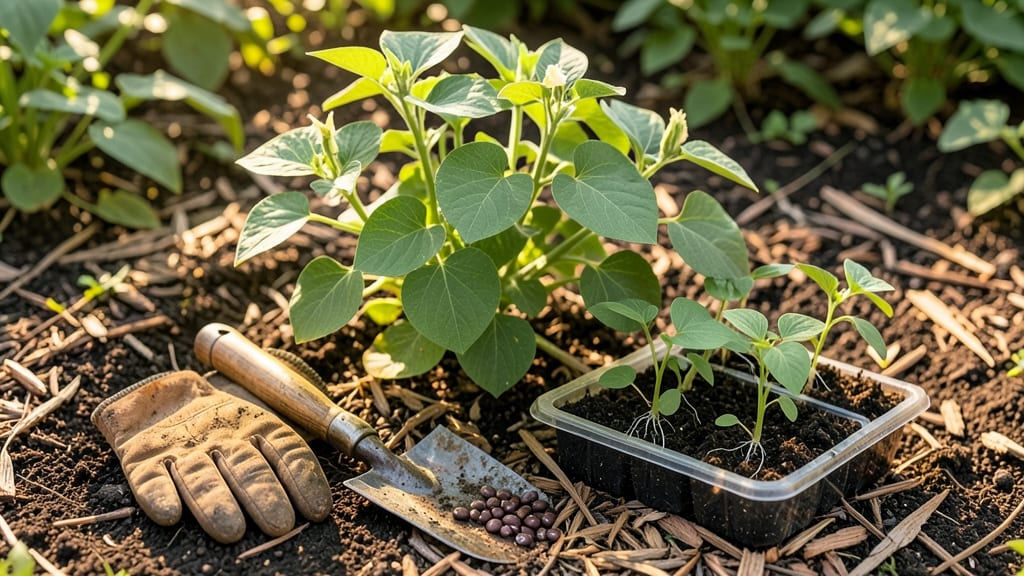
Knowing when to plant beans in Zone 8 can mean the difference between a thriving garden and wasted effort—especially when frost sneaks in and ruins your crop before it even starts.
With the right timing, you can enjoy fast-growing, productive beans all season long, but plant too early or too late, and you might miss the sweet spot for maximum yields.
In Zone 8, your best bets are early spring and late summer, when soil temperatures hit that sweet 60°F mark and frost risk fades away.
I’ll break down the exact windows, including how to adjust for your specific microclimate, so you can avoid common mistakes like planting too soon or skipping succession planting for continuous harvests.
Whether you’re growing bush beans, pole beans, or heirloom varieties, the key is understanding your local frost dates and soil conditions. Let’s dive into the perfect schedule to ensure your beans germinate quickly, grow strong, and give you a bounty of fresh pods all season.
Ready to turn your garden into a bean-producing powerhouse? You’ll discover how to time your plantings for zero frost risk, extend your harvest season, and even troubleshoot common pitfalls—so you can enjoy homegrown beans from June through November.
Best planting dates for beans in Zone 8 to avoid frost and maximize growth
Beans thrive in Zone 8’s warm climate, but timing your planting is critical to avoid late frosts and maximize harvest yields. Unlike cold-hardy crops, beans demand soil temperatures above 60°F (15°C) to germinate properly.
In Zone 8, this typically aligns with mid-March to early April for spring plantings, but exact dates vary by sub-region (8a vs. 8b).
Zone 8a (colder end) gardeners should wait until after April 15 to ensure frost-free conditions, while Zone 8b (warmer) can start as early as late February in sheltered microclimates. Fall plantings are also possible, with late August to early September being ideal for a second harvest before winter sets in.
Here’s how to calculate your perfect planting window: subtract your average last frost date (typically January 15) from your first frost date (around November 15). This gives you a 245-day frost-free growing season—plenty of time for two full bean harvests if you plan carefully.
| Planting Window | Soil Temp Requirement | Frost Risk | Best Varieties |
|---|---|---|---|
| Spring (Zone 8a): April 15–May 1 | 60–65°F (15–18°C) | Low (post-last frost) | Bush Blue Lake, Kentucky Wonder |
| Spring (Zone 8b): Late Feb–March 15 | 60–65°F (15–18°C) | Very Low | Pole Scarlet Runner, Provider |
| Fall: August 15–September 1 | 60–65°F (15–18°C) | Moderate (early Sept frost) | Heirloom Romano, Contender |
🌱 Pro Tip: Use a soil thermometer to confirm temps before planting—cold soil delays germination by weeks!
For pole beans, which take longer to mature (60–70 days), aim for early April plantings to ensure pods develop before summer heat stress sets in. Bush beans, with their 50–55-day maturity, offer more flexibility and can even be direct-sown in late May for a summer harvest.
Microclimates play a huge role in Zone 8. If your garden sits in a sunny, sheltered spot, you might push spring plantings to mid-March. Conversely, low-lying or shady areas may require waiting until after April 15. Always monitor your local weather forecasts for unexpected cold snaps.
Another key factor is seed viability. Beans stored for over a year may struggle to germinate—test a few seeds in warm water for 24 hours before full planting. If they sprout within 48 hours, your seeds are ready; if not, source fresh ones for reliable growth.
Don’t overlook succession planting for continuous harvests. After your first planting yields pods, sow a second batch 3–4 weeks later to keep fresh beans coming. This works especially well for bush beans, which mature quickly and leave room for follow-up crops.
Finally, consider container growing for late-season extensions. Pots warmed by afternoon sun can keep soil temps ideal for September plantings, giving you beans well into October before frosts arrive. Just ensure containers have drainage holes to prevent root rot.
With these precision-timed plantings, you’ll enjoy fresh, homegrown beans from June through November—no frost-related disappointments in sight! 🌿
How to extend your bean harvest season in Zone 8 using succession planting
Succession planting is my secret weapon for a never-ending bean harvest in Zone 8. Instead of one big planting, I stagger seeds every 2-3 weeks to keep pods coming from late spring through fall.
This works especially well for bush beans and pole beans—just adjust spacing to avoid overcrowding.
Start your first planting when soil hits 60°F (15°C)—usually mid-March to early April in most of Zone 8. Then repeat every 2-3 weeks until mid-July. For a fall harvest, begin your last succession in early August to catch cooler temperatures before frost.
🌱Pro Tip: Use shade cloth over young seedlings if late spring brings unexpected heat waves. This protects tender sprouts while they establish roots.
📌 Succession Planting Timeline for Zone 8 Beans
- 🌱 Week 1-2: First planting after last frost (soil 60°F+)
- 🌱 Week 4-5: Second planting for continuous harvest
- 🌱 Week 7-8: Third planting to extend season
- 🌱 Week 10-11: Final summer planting (if space allows)
- 🌱 August: Late-season planting for fall harvest
For pole beans, succession planting is even easier because they take up less space. I plant them in trellises or cages and let them climb, freeing up garden real estate for other crops. Just be sure to harvest regularly—overripe pods reduce future production.
💧Watering Hack: Focus on deep watering during dry spells to encourage strong root systems. Mulch with straw to retain moisture and keep soil cool for seedlings.
If you're short on space, try container gardening with dwarf varieties. I’ve had great success with ‘Mascotte’ and ‘Blue Lake’ in 5-gallon pots, planted in 2-week intervals for a steady supply. Just ensure pots have drainage holes to prevent root rot.
🌿Companion Plants: Pair beans with corn and squash (the "Three Sisters" method) to improve soil fertility and deter pests. Avoid planting near onions or garlic, as they stunt bean growth.