
Plants
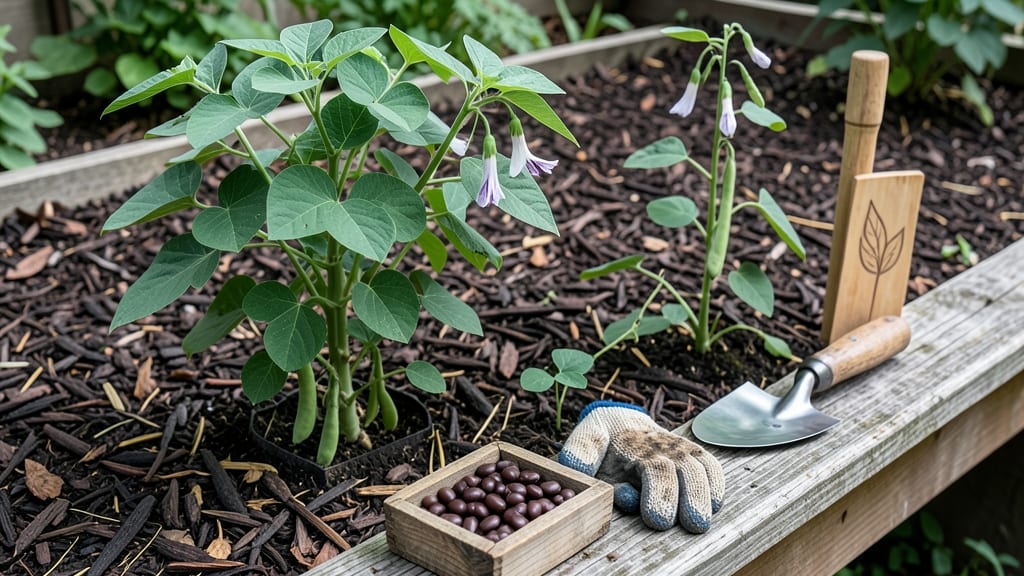
If you've ever planted beans in North Carolina only to watch them wilt in the heat or bolt before producing a single pod, you're not alone.
The perfect timing for planting beans in NC is the key to a bountiful harvest—whether you're growing bush beans for quick pickings or pole beans for a steady supply.
With two ideal windows each year, understanding frost dates and soil temperatures can mean the difference between a thriving garden and a disappointing one.
Most gardeners in NC's 7a-8b zones know the struggle: plant too early, and a late frost will zap your seedlings; wait too long, and the summer heat will send your beans into early flowering. The solution?
Start seeds indoors 4-6 weeks before your last expected frost date (typically by March 15 for spring plantings) or sow directly in the garden once soil reaches 60°F—usually between April 15 and May 1.
But here's the game-changer: fall planting offers a second chance for beans in NC. After the summer heat subsides, temperatures drop just enough to give beans the ideal growing conditions.
If you plant between September 1 and October 15, you'll enjoy a harvest stretching into November, beating the first frost that usually arrives around November 15.
In this guide, I'll walk you through the exact planting dates for your region, heat-tolerant varieties that thrive in NC's climate, and pro tips to avoid common mistakes. Whether you're a beginner or a seasoned gardener, these insights will help you maximize your bean harvest—no guesswork required.
Best planting dates for beans in North Carolina by region
North Carolina’s diverse climate—from the Coastal Plain to the Mountains—means planting dates vary by 2-3 weeks across regions. To avoid frost damage or heat stress, align your planting with local last frost dates and soil temperatures. Coastal areas warm up faster, while mountain regions stay cooler longer.
For spring plantings, aim for 2 weeks after the last frost when soil reaches 60°F. In fall, plant 8-10 weeks before first frost (typically September-October) to ensure mature pods before cold sets in. Use these regional guidelines to pinpoint your ideal window.
🌱 Pro Tip: Test soil temperature with a soil thermometer—beans won’t germinate well below 60°F. Coastal NC gardeners can start as early as mid-March, while mountain zones should wait until late April.
| Region | Last Frost Date | Spring Planting Window | Fall Planting Window | Heat-Tolerant Variety |
|---|---|---|---|---|
| Coastal Plain (e.g., Wilmington) | March 1-15 | March 15 - April 15 | September 1 - October 1 | 'Cowpeas' or 'Black Valentine' |
| Piedmont (e.g., Raleigh) | March 15-30 | April 1 - April 30 | September 15 - October 10 | 'Blue Lake' or 'Kentucky Wonder' |
| Mountains (e.g., Asheville) | April 15-30 | May 1 - May 15 | September 20 - October 5 | 'Rattlesnake' or 'Scarlet Runner' |
🌡️ Soil temp must be 60°F+ for germination
If you’re in a microclimate (e.g., near a lake or urban heat island), adjust dates by 1-2 weeks earlier. For example, Raleigh’s urban areas often warm up faster than rural Piedmont farms. Always check NC State Extension’s frost maps for your exact location.
For succession planting, sow new seeds every 2 weeks after your initial planting. This stretches your harvest from June through October, giving you fresh beans all summer. Just be sure to stop planting 60 days before first frost to ensure mature pods.
Beans are heat-loving plants, so avoid planting in peak summer (June-July) unless you’re growing heat-tolerant varieties like 'Cowpeas' or 'Scarlet Runner'. High temperatures cause beans to bolt prematurely, reducing yield and quality.
🌱 Quick Check: Use the "back of the hand test"—if your soil feels warm to the touch (like a sunny day), it’s ready for planting. Cold, damp soil will delay germination for weeks.
In fall plantings, prioritize fast-maturing varieties (50-60 days to harvest) to avoid early frosts. 'Blue Lake' and 'Kentucky Wonder' are reliable choices for September sowings, while 'Rattlesnake' beans (a Southern heirloom) handle cooler nights better.
Remember: North Carolina’s climate is unpredictable. Always have a backup planting plan—whether it’s a greenhouse, row covers, or a second batch of seeds ready for late summer if spring planting fails.
Heat-tolerant bean varieties that thrive in NC’s summer heat
North Carolina’s summers can hit 90°F+, which stresses many bean varieties—but some thrive in the heat. The key is choosing heat-tolerant varieties that won’t bolt prematurely or produce bitter pods.
I’ve grown these top 5 varieties in NC’s climate, and they consistently deliver sweet, productive harvests even in July and August.
For bush beans, try ‘Blue Lake Bush’—it matures in 50–55 days and handles NC’s heat better than standard green beans. Its compact size (2–3 feet tall) makes it perfect for small gardens or containers.
I’ve seen it produce 3–4 harvests per season when planted in late May.
If you prefer pole beans, ‘Rattlesnake’ is my go-to. This heirloom variety tolerates heat and humidity while producing long, straight pods (up to 8 inches) for months. It thrives when trellised and planted in full sun with consistent moisture—ideal for NC’s Piedmont region.
For Southern gardens, ‘Cowpeas (Purple Hull)’ are a must. These drought-tolerant beans handle NC’s 95°F+ heat and even improve soil nitrogen. They’re perfect for late summer plantings (August) and produce sweet, tender pods even when other beans struggle.
| Variety | Type | Heat Tolerance | Days to Harvest | Planting Depth |
|---|---|---|---|---|
| Blue Lake Bush | Bush | High | 50–55 | 1 inch |
| Rattlesnake | Pole | Very High | 60–70 | 1 inch |
| Purple Hull Cowpeas | Bush/Pole | Extreme | 60–75 | 1–2 inches |
| Romano | Bush | Moderate | 55–60 | 1 inch |
| Black Valentine | Pole | High | 60–70 | 1 inch |
Pro tip: Plant Black Valentine beans in June for a late-summer harvest. They’re disease-resistant and produce dark, flavorful pods that hold up well in heat. For best results, sow seeds 1 inch deep and thin seedlings to 3–4 inches apart to prevent overcrowding.
Always check seed packets for maturity dates and adjust planting times based on your last frost date. In NC’s Coastal Plain, you can plant heat-lovers like Purple Hull Cowpeas as early as May 15, while Mountain regions should wait until June 1 to avoid early-season frosts.
🌱