
Plants
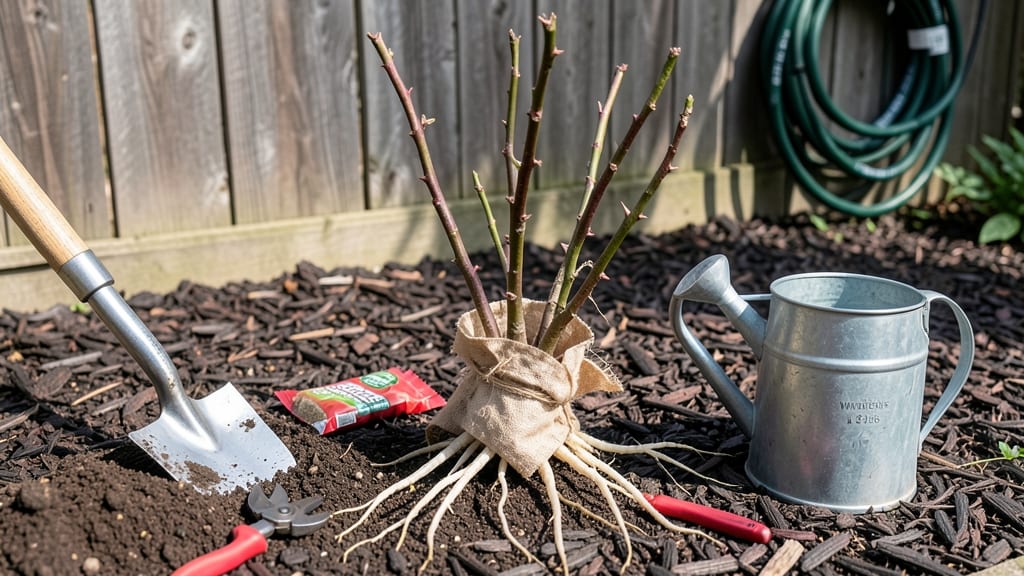
Timing when to plant bare root roses in California could make or break your garden’s success—especially since coastal 9b-10a zones and inland 7b-9b areas have wildly different deadlines. Miss the November-March window, and you risk stunted growth or even plant failure, no matter how healthy your 🌹 looks.
Most gardeners assume "winter" means they’ve got months to plant, but the truth is far more precise. Inland areas like the Central Valley need to get roses in the ground by early December to avoid frost damage, while coastal regions can stretch planting until late March.
Even a few degrees of temperature shift can change your ideal window by 2-3 weeks—so knowing your microclimate is the key.
I’ve spent years helping California gardeners navigate these tricky deadlines, and what I’ve learned is that preparation matters just as much as timing. From soaking roots before planting to adjusting soil pH for alkaline conditions, small details separate thriving roses from those that barely survive.
Let me walk you through the exact steps to plant your bare root roses at the perfect moment for your region.
Whether you’re in foggy San Francisco or a sunbaked desert valley, you’ll discover the exact dormant season deadlines, soil prep secrets, and post-planting care tips tailored to your microclimate. Ready to turn your garden into a blooming paradise? Let’s get started.
California’s bare root rose planting zones: exact dormant season deadlines by region
California’s diverse climate means your bare root rose planting window can vary by hundreds of miles. Coastal areas like San Francisco enjoy mild winters with no frost, while inland valleys like the Central Valley face freezing temperatures that demand earlier planting.
Understanding your USDA zone and microclimate is key to avoiding root shock or stunted growth.
For most of California, the optimal planting window for bare root roses runs from November through March.
However, coastal regions (like USDA Zone 9b-10a) can extend this to April in some cases, while high desert areas (like USDA Zone 7b) may need to plant as early as October to avoid winter dormancy stress.
🌹
| Region | USDA Zone | Best Planting Months | Key Considerations |
|---|---|---|---|
| Northern California (Coastal) | 9b-10a | November–March | Mild winters; extend to April if soil is workable. |
| Northern California (Inland Valleys) | 7b-8a | October–February | Frost risk; plant before first frost (Nov 15–Dec 15). |
| Central California (Coastal) | 9a-9b | November–March | Fog-prone; monitor soil moisture. |
| Central California (Inland) | 8a-9a | October–February | Hot summers; plant early to establish roots. |
| Southern California (Coastal) | 10a | November–April | No frost; prioritize soil prep over timing. |
| Southern California (Desert) | 9a-10a | October–January | Extreme heat; plant in cooler months. |
If you’re in a coastal zone, like San Diego or Santa Barbara, you can push planting to early April as long as the soil isn’t waterlogged. However, inland areas like Sacramento or Fresno should aim to finish planting by late February to avoid spring heat stress.
Always check your local frost dates—planting too late can leave roots vulnerable to sudden cold snaps.
For high-elevation areas (like Mount Shasta or Lake Tahoe), where USDA Zone 6b applies, plant in September–October to give roots time to establish before winter. These regions often face harsher winters with longer dormancy periods, so early planting is critical for survival.
One common mistake is assuming all of California has the same climate. For example, Los Angeles (Zone 10a) can plant until April, while Eureka (Zone 9b) should finish by March.
Use the USDA Plant Hardiness Zone Map and local agricultural extension office resources to pinpoint your exact zone and adjust your timeline accordingly.
Pro tip: If you’re unsure about your microclimate, observe nearby native plants. If olive trees or lavender are blooming year-round, you’re likely in a warmer zone with a longer planting window. Conversely, if deciduous trees drop leaves in winter, you’re in a cooler zone that needs earlier planting.
How to prepare bare root roses for planting in California’s unique climate
California’s diverse climates—from foggy coastal areas to arid desert valleys—demand specialized preparation before planting bare root roses. The key is adjusting for alkaline soils, frost risks, and water restrictions that vary wildly across the state.
Start by testing your soil’s pH; most California soils lean alkaline, which can stunt root growth. Aim for a neutral 6.0–6.5 pH by amending with sulfur or peat moss before planting.
For coastal regions like San Francisco or Santa Barbara, where light frosts can still occur in winter, protect your newly planted roses with burlap wraps or frost cloth.
Inland areas like the Central Valley or desert zones (e.g., Palm Springs) face extreme heat in late winter, so plant early November to avoid stress. Always soak bare roots for 1–2 hours before planting to rehydrate them—critical in dry climates.
🌱 Pros & Cons: Root Soaking Methods for California Climates
| Method | Pros | Cons | Best For |
|---|---|---|---|
| Water Soak (1–2 hrs) | Rehydrates roots; easy | Can over-saturate in wet climates | All regions |
| Muddy Slurry Soak | Adds nutrients; protects roots | Messy; not ideal for desert areas | Coastal/valley zones |
| Root Stimulator Dip | Boosts growth; fast-acting | Chemical dependency; costly | Drought-prone areas |
Dig your planting hole twice as wide as the root ball but only shallow enough to fit the roots without bending them. In water-restricted areas, mix compost or coconut coir into the backfill soil to retain moisture.
For sandy desert soils, add organic matter like leaf mold to improve water retention. Place the rose so the graft union (bulge near the base) sits 2 inches above soil level—this prevents rot in wet winters.
After planting, mulch heavily with 3–4 inches of wood chips to conserve moisture and regulate soil temperature. In coastal areas, mulch also protects against salty winds, which can damage young foliage.
Water deeply but infrequently—aim for 1–2 gallons per plant every 5–7 days—to encourage deep root growth. Avoid overhead watering, especially in humid coastal zones, to prevent fungal diseases like black spot.
Finally, prune dead or damaged canes immediately after planting to redirect energy to root establishment. In Southern California’s desert climates, where winter rains are unpredictable, consider installing a drip irrigation system to ensure consistent moisture.
With these steps, your bare root roses will establish strong roots before California’s summer heat arrives.
🌿