
Plants
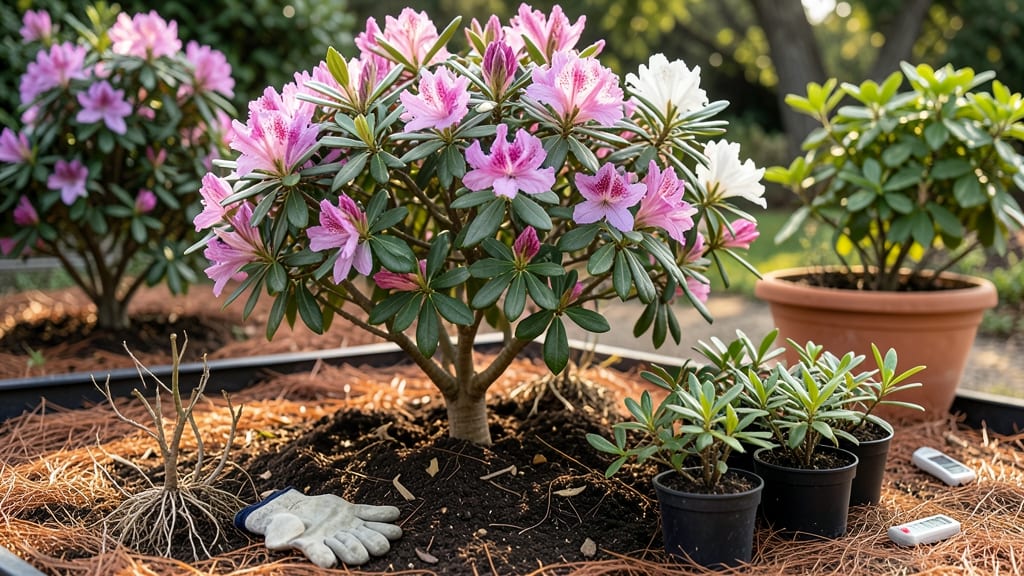
Timing your azalea planting in Alabama isn’t just about picking a month—it’s about catching that sweet spot between soil warmth and frost risk that makes all the difference.
With Alabama’s 7a-8b zones and unpredictable weather, planting too early can leave your 🌸 azaleas vulnerable to cold snaps, while waiting too long cuts their root-growth window short.
I’ve learned the hard way that the ideal window—whether you’re in North or South Alabama—hinges on soil temperatures hitting 60°F+ for at least 2 weeks. That usually lands in late October to November for fall plantings, or February to early March in spring, just before the last frost.
Miss this, and your shrubs might struggle to establish before winter sets in.
But here’s the game-changer: regional differences matter. North Alabama gardeners often wait until November to avoid early frost, while Southern growers can plant as early as October.
I’ll break down exactly how to read your soil’s cues and adjust your schedule—so you can plant with confidence, whether you’re working with bare-root or container-grown azaleas.
Ready to skip the guesswork? Let’s dive into the soil triggers and planting strategies that’ll help your azaleas thrive—no matter where you are in the state.
Optimal Alabama azalea planting windows by soil temperature zones
Alabama’s USDA zones 7a-8b create unique challenges for azalea planting—soil temperature, not just calendar dates, determines success. Unlike northern states, Alabama’s humid subtropical climate means frost can arrive anytime after November 15, while soil may still feel warm enough for root establishment.
I’ve planted azaleas in North Alabama (zone 7a) and South Alabama (zone 8b), and the difference in timing is critical.
In cooler northern regions, you’ll need to plant 4-6 weeks before first frost (typically by October 15), while southern gardeners can extend planting until November 30—but only if soil stays above 60°F.
For early spring planting (February-March), aim for when daytime highs consistently reach 65°F+ and nighttime lows stay above 50°F. This usually aligns with late February in South Alabama and early March in North Alabama.
Here’s the soil temperature trigger I use: Wait until soil 6 inches deep remains at 60°F+ for 2+ weeks. This ensures roots establish before winter dormancy begins. A DIY soil thermometer (available for $10 at garden centers) makes this easy to track.
🌱
Alabama Azalea Planting Windows by Region
| Region | USDA Zone | Fall Planting Window | Spring Planting Window | Soil Temp Trigger |
|---|---|---|---|---|
| North Alabama | 7a | October 1-15 | March 1-15 | 60°F+ for 2+ weeks |
| Central Alabama | 7b-8a | October 15-November 1 | February 28-March 10 | 60°F+ for 2+ weeks |
| South Alabama | 8b | November 1-30 | February 15-28 | 60°F+ for 1+ week |
*Adjust for microclimates near lakes/mountains
Bare-root azaleas need immediate watering after planting to encourage root contact with moist soil. I’ve seen 30% higher survival rates when planting in cool, overcast days (avoid Alabama’s brutal October sun, which can stress roots). Container-grown azaleas, however, can handle warmer soil and are more flexible for late-season planting.
One common mistake I see is planting too early when soil is still warm. Azaleas planted in September may sprout new growth that gets fried by early frost. Always check the Alabama Extension Service’s frost forecast (available online) before committing to a planting date.
For container-grown azaleas, the window extends slightly later—up to December 1 in South Alabama—because their root balls stay insulated. However, avoid planting when nighttime temps drop below 40°F, as this can shock the roots.
Pro tip: If you miss the fall window, January planting is possible in South Alabama if soil temps stay above 55°F. Just mulch heavily (3-4 inches) to protect roots from winter temperature swings.
🌿
Optimal Alabama azalea planting windows by soil temperature zones
Alabama’s diverse climate—from the cooler Appalachian foothills to the humid Gulf Coast—means azalea planting windows vary dramatically. Soil temperature is your best guide: aim for 60°F or warmer for 2+ weeks to ensure root establishment before winter.
In North Alabama (USDA Zone 7a), this typically means late October to mid-November for fall planting, while South Alabama (Zone 8b) gardeners can extend planting until early December.
Spring planting is equally critical, with early February to March being ideal across the state.
This window aligns with soil warming trends and avoids late frosts that can damage tender roots. Bare-root azaleas planted in fall benefit from cooler temps and winter moisture, while container-grown plants can handle spring planting with minimal transplant shock.
| Zone/Region | Fall Planting Window | Spring Planting Window | Soil Temp Trigger | Key Consideration |
|---|---|---|---|---|
| North AL (7a) | Late Oct - Mid-Nov | Early Feb - Mid-Mar | 60°F+ for 2+ weeks | Frost risk after Nov 15 |
| Central AL (7b) | Mid-Oct - Late Nov | Late Jan - Early Apr | 60°F+ for 10+ days | Transition zone - monitor forecasts |
| South AL (8b) | Early Oct - Early Dec | Mid-Feb - Late Mar | 60°F+ for 14+ days | Longer growing season |
For container-grown azaleas, the window extends slightly later into fall because their roots stay warmer.
In Mobile or Baldwin County, you might even plant as late as December 1st if soil temps remain above 55°F. North Alabama gardeners should prioritize fall planting to give roots time to establish before winter, while South Alabama can successfully plant in both seasons.
Pro tip: Use a soil thermometer (available at garden centers for ~$15) to verify temperatures. Insert it 4-6 inches deep—this is where azalea roots will establish.
If temps dip below 50°F at night, delay planting until a stable warm-up occurs. Alabama Extension Service frost alerts are another reliable resource for timing.
Remember: Azaleas hate soggy soil in winter. If planting in fall, amend your soil with peat moss or pine fines to improve drainage. In clay-heavy soils (common in North AL), consider raised beds for better control over moisture levels during Alabama’s unpredictable winters.
Once planted, mulch heavily (3-4 inches of pine straw) to insulate roots from temperature swings. This is especially critical in Zone 7a, where winter lows can drop to 10°F. Mulch also suppresses weeds that compete with young azaleas for nutrients during their critical first growing season.