
Plants
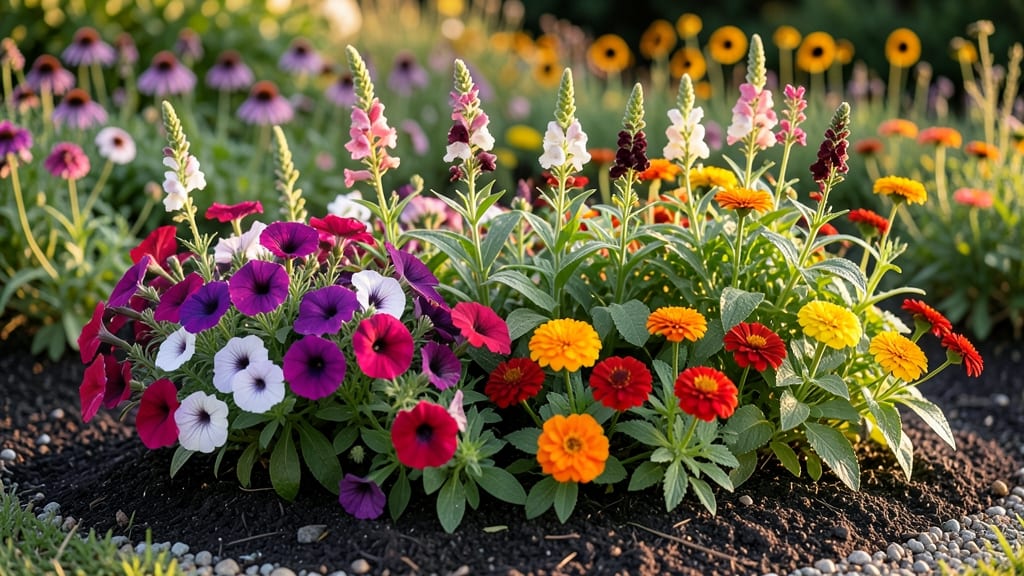
When to plant annuals in Zone 6 can make all the difference between a garden bursting with color and one that struggles to take off. Whether you're dreaming of vibrant summer blooms or cool-season flowers that brave early spring, getting those planting dates perfect is the key to success.
I've seen firsthand how even a two-week mistake can throw off your entire growing season. The secret lies in understanding your last frost date—not just guessing, but knowing exactly when to prep your soil and get those seeds in the ground for maximum growth.
In this guide, I'll break down the exact weeks before last frost you should plant, plus which annuals thrive in Zone 6's unique climate. From frost-hardy pansies to heat-loving zinnias, we'll cover it all so you can extend your blooming season from spring through fall.
Ready to transform your garden into a nonstop display of color? Let's dive into the strategies that will give you the lush, long-lasting annuals you've been hoping for.
Zone 6 last frost dates: exact weeks before planting annuals for peak growth
Understanding Zone 6 last frost dates is your first step to a thriving annual garden. In this zone, average last spring frost dates typically fall between April 15 and May 15, depending on your exact location.
For example, cities like Pittsburgh usually see frost-free conditions by April 25, while St. Louis warms up around April 10. These dates mark when it's safe to plant warm-season annuals like marigolds and zinnias.
But here's the catch: cool-season annuals like pansies and snapdragons can handle light frosts and should be planted 4-6 weeks before your last frost date. This means starting them as early as mid-March in most of Zone 6.
Always check your local USDA Plant Hardiness Zone Map for precise dates, as microclimates can shift planting windows by weeks.
To calculate your exact planting window, subtract 2-4 weeks from your last frost date for warm-season annuals. For instance, if your last frost is May 1, plant heat-loving flowers by April 15. Use frost-free date calculators from your local cooperative extension office for tailored advice.
Fall planting works in reverse: first frost dates in Zone 6 usually arrive between October 15 and November 15. Plant cool-season annuals like kale or calendula 6-8 weeks before your first frost. For example, if frost hits October 30, sow seeds by September 15.
| Plant Type | Average Last Frost Date | Safe Planting Window | Notes |
|---|---|---|---|
| Cool-Season Annuals | April 15-May 15 | 4-6 weeks before last frost | Pansies, snapdragons, lettuce |
| Warm-Season Annuals | April 15-May 15 | 2-4 weeks after last frost | Marigolds, zinnias, petunias |
| Fall Cool-Season Annuals | October 15-November 15 | 6-8 weeks before first frost | Kale, calendula, radishes |
Regional variations matter! In northern Zone 6 (e.g., Chicago suburbs), last frosts can linger until May 10, while southern Zone 6 (e.g., Nashville) may reach April 1. Use local weather data from the past 5 years to refine your timeline.
For instance, if your area has a 10-year history of late frosts in early May, err on the side of caution and wait until May 10 to plant heat-sensitive annuals.
Soil temperature is just as critical as air temperature. Most warm-season annuals need soil at 60°F or warmer to thrive. Use a soil thermometer to check—if it's below 55°F, delay planting. Cool-season annuals, however, can tolerate 40-50°F soil, making them ideal for early spring or fall sowing.
Extend your growing season with seasonal adjustments. Use row covers or cold frames to plant warm-season annuals 2-3 weeks earlier. For fall, black plastic mulch can warm soil and push back frost dates by 10-14 days.
These tricks let you enjoy summer annuals like basil or sunflowers for weeks longer than the average frost date allows.
Pro tip: Start warm-season annuals indoors 6-8 weeks before your last frost date. This gives seedlings a head start and ensures they're ready to transplant when soil temperatures rise. For example, if your last frost is May 1, begin sowing petunias indoors around March 15.
Always monitor weekly weather forecasts in late April and early May. A sudden cold snap can delay planting by 1-2 weeks, so stay flexible. For instance, if a late-May frost is predicted, hold off on planting tomatoes or peppers until after the threat passes.
Remember: Zone 6's frost dates shift yearly, so don't rely solely on averages. Combine historical data with real-time observations to create a custom planting schedule that works for your garden. With these precise timelines, your annuals will bloom on schedule and steal the show all season long! 🌷
Best annuals to plant in Zone 6 by season: cool vs. warm-loving flowers
Choosing the right annuals for Zone 6 means matching their preferences to your planting window. Cool-season bloomers thrive in early spring or fall, while warm-season stars shine after the last frost. Let’s break down the best picks for each category to ensure your garden stays vibrant all season long.
For early spring planting, focus on annuals that tolerate cooler temperatures. Pansies and violas are hardy options that bloom even in light frosts, while snapdragons and sweet alyssum add height and texture.
These plants often perform best when sown 4-6 weeks before your last frost date, giving them time to establish roots before warmer weather arrives.
🌱
Pansies & Violas: 3-6 inches tall, frost-tolerant, bloom all spring until summer heat. Perfect for shade gardens or containers.
When the last frost has passed and soil temperatures rise above 50°F, shift to warm-season annuals like marigolds, zinnias, and petunias.
These heat-lovers need consistent warmth to thrive, so wait until 2-3 weeks after your average last frost date. Marigolds, for example, repel pests naturally and bloom until frost, while zinnias offer bold colors and attract pollinators.
For extended blooms, consider transplanting instead of direct sowing. Nursery starts give your warm-season favorites a head start, ensuring they’re ready to flourish as soon as the weather cooperates. Just be sure to harden off seedlings gradually to avoid shock.
🌻