
Planting
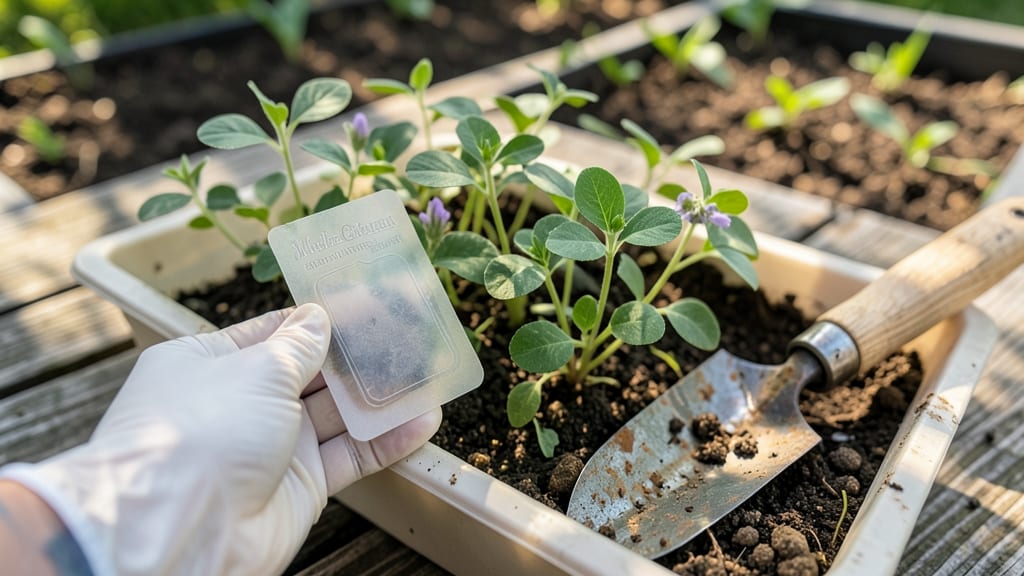
Timing your alfalfa planting in the fall can mean the difference between a lush, nitrogen-rich crop and a winter casualty. This hardy legume thrives when sown just right—too early, and frost zaps young shoots; too late, and establishment stalls before winter sets in.
I’ve tested fall planting strategies across USDA Zone 6a and beyond, and the 4-6 week window before first frost consistently delivers the best results. Whether you’re growing alfalfa for forage, soil improvement, or wildlife habitat, getting this timing right is the key to survival and vigor.
What makes fall planting so effective? Alfalfa’s deep roots establish slowly, and cooler temperatures actually help young plants develop stronger root systems before dormancy. But there’s a catch—soil prep and variety selection matter just as much as the calendar.
In this guide, I’ll break down the exact weeks to plant by region, share my top cold-hardy varieties, and reveal the 3 mistakes that wreck even the best-laid plans. Let’s set you up for a thriving alfalfa patch that outlasts winter.
Best fall planting windows for alfalfa by USDA hardiness Zones
Planting alfalfa in the fall gives young plants a head start before winter dormancy, but the exact timing depends on your USDA hardiness zone. In colder zones (3-5), aim for 6-8 weeks before first frost—typically mid-August to early September.
Warmer zones (7-10) can extend planting until October 1st, as frost arrives later.
Alfalfa seeds need consistent soil temperatures above 60°F to germinate. If you plant too early, seedlings may bolt or struggle with heat stress. Too late, and they won’t establish strong roots before winter. The sweet spot is when daytime highs stay above 75°F but nights cool to 50-60°F.
Here’s a quick reference for your zone—adjust based on local frost dates. For example, in Zone 6a, plant between August 15 and September 10. In Zone 9a, you’ve got until October 15.
| USDA Zone | Planting Window | Key Notes |
|---|---|---|
| 3-4 | Mid-August to early September | Use cold-hardy varieties like 'Moapa'; mulch heavily. |
| 5-6 | Late August to mid-September | Ideal for 'Ladak' or 'Mediterranean' types. |
| 7-8 | September 1-15 | Extend to October if soil stays warm. |
| 9-10 | October 1-15 | Minimal frost risk; focus on irrigation. |
For northern climates (Zones 3-5), prioritize early-maturing varieties like 'Moapa' to avoid winter kill. In southern zones (7-10), focus on soil moisture retention—alfalfa hates drought stress. Always check your local frost date (USDA Plant Hardiness Zone Map) and subtract 6-8 weeks for your target planting window.
Pro tip: Use a soil thermometer to confirm temperatures. Alfalfa seeds won’t germinate below 60°F. If your soil cools faster than expected, delay planting by 1-2 weeks. Patience here prevents wasted seeds and money.
After planting, mulch with straw (2-3 inches) to insulate roots. This is especially critical in Zones 3-6, where winter temps can drop below -10°F. Mulch also suppresses weeds, giving young alfalfa a competitive edge.
One common mistake? Planting too deeply. Alfalfa seeds need ¼-inch depth—any deeper, and they’ll rot. Use a seed drill or gently press seeds into loose soil. If your soil is compacted, loosen it with a broadfork before sowing.
Finally, water deeply after planting to settle seeds into the soil. Avoid overhead watering, which can wash seeds away. A drip irrigation system or soaker hose works best for consistent moisture without disturbing seedlings.
With the right timing and care, your fall-planted alfalfa will reward you with lush, nitrogen-rich forage starting the following spring. Just remember: soil temp > seed depth > frost date—master these, and you’re golden. 🌱
Best fall planting windows for alfalfa by USDA hardiness Zones
Timing your alfalfa planting is critical for winter survival. The ideal window is 6-8 weeks before your first frost date, giving seedlings time to establish roots before cold sets in.
In USDA Zones 3-5, this typically means planting between mid-August and early September, while Zones 6-10 can extend planting until late September or early October.
Alfalfa thrives when planted in warm soil but cool air. Aim for soil temperatures between 60°F and 75°F—too hot, and seeds may dry out; too cold, and germination slows.
Check your local frost dates and adjust accordingly, as even cold-hardy varieties need time to develop a strong root system before winter.
Regional adjustments matter: Northern gardeners should plant earlier (August), while Southern gardeners can wait until September. For example, in Zone 4, planting by September 1st ensures seedlings have 8-10 weeks to grow before frost. Use a frost date calculator to pinpoint your exact window.
| USDA Zone | Planting Window | Soil Temp Goal | Key Consideration |
|---|---|---|---|
| Zones 3-5 | Mid-August to early September | 60°F–70°F | Early frost risk; prioritize root growth |
| Zones 6-7 | Late August to mid-September | 65°F–75°F | Balanced window for establishment |
| Zones 8-10 | Early to late September | 70°F–75°F | Later frost dates allow flexibility |
For extended growing seasons, consider a two-stage approach: Plant a small test patch 2 weeks early to gauge soil conditions. If seedlings emerge quickly, proceed with the full planting. If germination stalls, wait 1-2 weeks to avoid overcrowding or disease pressure from prolonged moisture.
Mulching with straw or shredded leaves after planting helps retain soil warmth and moisture. Avoid thick layers, which can smother seedlings. Instead, use 1-2 inches of mulch to protect soil while allowing sunlight to reach young plants. This is especially critical in dry climates where soil moisture evaporates quickly.
Monitor your alfalfa’s progress by checking for 2-3 inch tall seedlings within 3-4 weeks. If growth stalls, thin seedlings to 6-12 inches apart to prevent competition. By planting within this zone-specific window, you’ll give your alfalfa the best shot at surviving winter and producing nitrogen-rich forage next spring. 🌱