
Plants
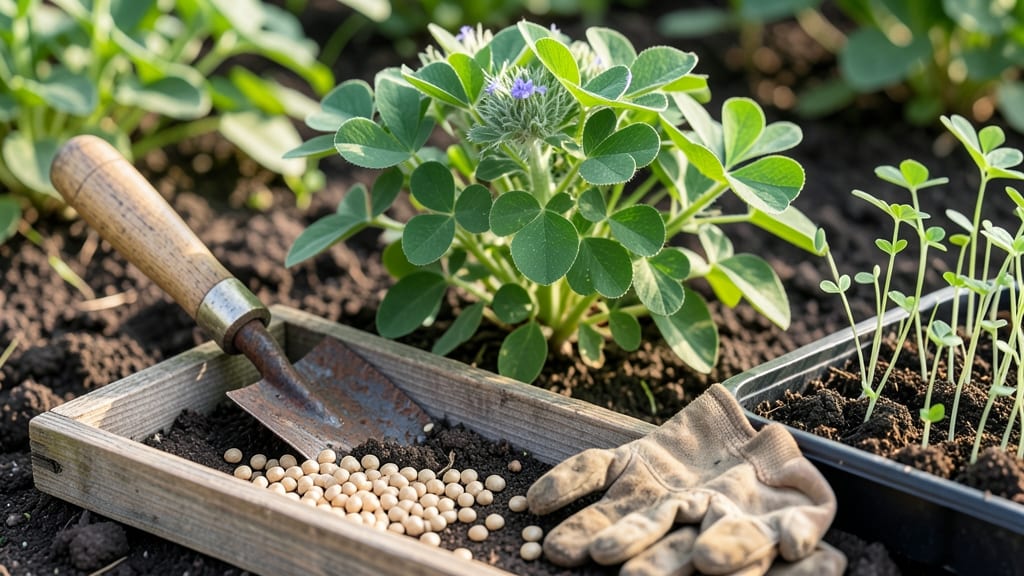
Planting alfalfa in Texas at the wrong time can mean the difference between a fast-growing, high-yield crop and a struggle with slow growth or even failure. With Texas's diverse climate zones—from 8a in the Panhandle to 10b in the Rio Grande Valley—timing isn’t just important; it’s critical.
Most Texas gardeners and farmers know alfalfa thrives in fall or late winter, but the exact window depends on where you live. In North Texas, you’ll want to plant by September to avoid early frosts, while South Texas growers can stretch into October with warmer soils.
The key? Soil temperature must stay above 50°F for roots to establish properly.
I’ve seen firsthand how a few weeks off can turn a promising alfalfa patch into a disappointment. That’s why I’m breaking down the best months for each region—plus soil prep tips and regional tweaks—to help you get it right the first time.
Let’s make sure your alfalfa 🌱 takes off the way it should.
Whether you’re a homesteader or a large-scale producer, these insights will save you time, money, and frustration. Ready to plant with confidence? Let’s dive into the details.
Texas alfalfa planting calendar by region: optimal months for maximum growth
Alfalfa thrives in Texas’s varied climates, but the best planting windows shift dramatically from North Texas to South Texas. In USDA Zones 8a-9a, like Dallas-Fort Worth, aim for late winter (February) or early fall (September-October).
Meanwhile, South Texas (Zone 10a) can plant as early as August thanks to milder winters. Always check your last frost date—North Texas averages February 15, while South Texas rarely sees frost.
Soil temperature is your #1 guide. Alfalfa seeds need soil temps above 50°F to germinate. In West Texas (Zone 7b-8a), wait until March-April to avoid spring drought stress.
Use a soil thermometer to confirm readiness—60°F+ is ideal for fast germination. Fall planting works best in Central Texas (Austin/San Antonio) from September 15-October 15 to establish roots before winter.
Here’s your region-by-region planting timeline with key thresholds:
| Region | USDA Zone | Best Planting Window | Soil Temp Threshold | Frost Risk |
|---|---|---|---|---|
| North Texas (Dallas, Fort Worth) | 8a-9a | Feb 15-Mar 15 or Sep 15-Oct 15 | ≥50°F | High (Dec 1-Feb 15) |
| Central Texas (Austin, San Antonio) | 8b-9b | Feb 1-Mar 15 or Sep 1-Oct 15 | ≥55°F | Moderate (Nov 15-Feb 1) |
| South Texas (Houston, Corpus Christi) | 9a-10a | Aug 15-Sep 30 or Nov 1-Dec 15 | ≥60°F | Low (rare frost) |
| West Texas (Lubbock, Midland) | 7b-8a | Mar 15-Apr 15 | ≥60°F | High (Nov 1-Apr 1) |
For spring planting, prioritize February-March in North/Central Texas. In South Texas, fall planting (September-October) avoids summer heat stress. West Texas growers should delay until April to escape late frosts.
Pro tip: Irrigate immediately after planting to maintain consistent soil moisture—alfalfa seeds need 1-2 inches of water weekly during germination.
Texas’s microclimates can shift planting by 2-4 weeks. For example, hill country elevations (like Fredericksburg) may need 2 weeks later than Austin due to cooler nights. Check local AgriLife Extension offices for hyper-local frost data.
In El Niño years, expect cooler, wetter springs—adjust planting 1-2 weeks later to avoid soil compaction from heavy rains.
Harvest timing follows planting closely. Spring-planted alfalfa typically harvests April-June, while fall-planted crops yield October-November. Aim to harvest before flowering (when stems reach 8-12 inches) for high-protein forage. Over-mature alfalfa loses nutritional value and becomes woody—cutting too late reduces regrowth potential.
In drought-prone areas (like West Texas), deep irrigation before planting is critical. Use drip tape to deliver 1-1.5 inches of water per week during establishment. Mulch with straw (2-3 inches) to retain moisture and suppress weeds. Avoid overwatering—alfalfa is drought
Key factors that determine the best planting time for alfalfa in Texas
Planting alfalfa successfully in Texas depends on more than just picking a month—it’s about understanding your local climate patterns, soil conditions, and temperature thresholds. Alfalfa thrives when soil temperatures stay between 50°F and 85°F, but Texas’s diverse regions mean these conditions vary widely.
For example, North Texas may hit ideal soil temps in early March, while South Texas can start as early as February.
Another critical factor is precipitation timing. Alfalfa needs consistent moisture during germination, which typically takes 10-14 days. Planting during Texas’s dry periods, like late summer, can lead to poor establishment.
Check local rainfall forecasts—aim for 1-2 inches of rain per week after planting to avoid stress. In drought-prone areas like West Texas, irrigation may be necessary.
Don’t overlook frost risk, even in warmer regions. While alfalfa is cold-hardy, young seedlings can suffer damage from unexpected frosts. In North Texas, wait until after March 15 to plant, while South Texas growers can start as early as late January.
Use frost-free date maps from the Texas A&M AgriLife Extension to guide your timing.
- Soil Temperature: Plant when soil is 50°F+ (use a soil thermometer to check).
- Rainfall Forecast: Aim for 1-2 inches/week post-planting; supplement with irrigation if needed.
- Frost Dates: Avoid planting 4-6 weeks before the last expected frost in your region.
- pH Levels: Test soil—alfalfa prefers 6.5-7.5 pH. Adjust with lime if needed.
- Seed Inoculation: Use Rhizobium bacteria to fix nitrogen; inoculate seeds before planting.
- El Niño/La Niña: Adjust timing—El Niño brings wetter springs, while La Niña may require earlier planting.
El Niño and La Niña cycles can also shift your ideal planting window. During El Niño years, Texas often sees wetter springs, which can delay planting until late March to avoid waterlogged soil.
Conversely, La Niña years bring drier conditions, so planting in fall (September-October) may be safer to tap into winter moisture. Monitor NOAA forecasts and adjust your schedule accordingly.
Finally, prepare your soil 4-6 weeks before planting. Alfalfa loves well-draining, fertile soil with organic matter. Work in compost or aged manure and avoid fresh manure, which can burn seedlings.
Conduct a soil test through your local Texas AgriLife Extension office—alfalfa prefers 6.5-7.5 pH, and lime or sulfur may be needed to adjust levels.
Pro tip: Mark your calendar for early September or late February as your primary planting windows, but always verify with local weather updates. Alfalfa’s success in Texas hinges on these factors—get them right, and you’ll see fast, lush growth within 60-90 days! 🌱