
Planting
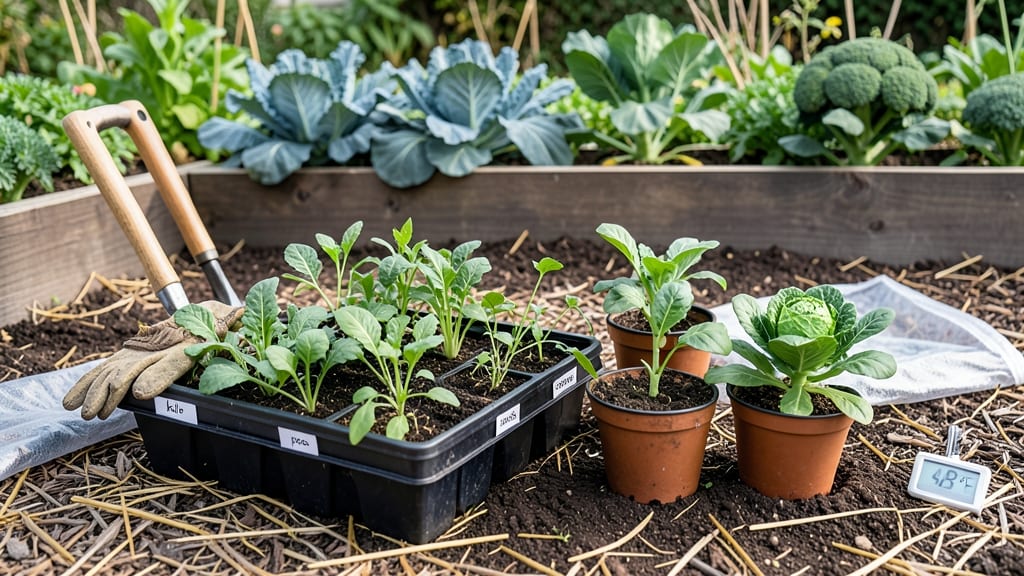
Timing when to plant a garden in North Dakota isn’t just about throwing seeds in the dirt—it’s about beating frost, maximizing your 120-140 frost-free days, and choosing the right crops for Zone 3b-5a. Plant too early, and Mother Nature will laugh at your efforts with a surprise freeze.
Too late, and you’ll miss peak harvests when summer’s short window closes.
I’ve grown General Garden Vegetables & Flowers 🌱 here for years, and the difference between a thriving garden and a sad one often comes down to knowing when to start.
Whether you’re a first-time gardener or a seasoned pro, the late April to mid-June window is your golden opportunity—after that last frost date around May 10.
This guide breaks down the exact timing for everything from hardy greens to late-season tomatoes, plus how to adjust for North Dakota’s microclimates. No more guesswork—just a clear roadmap to a garden that delivers from June through September.
Ready to turn your backyard into a productive oasis? Let’s dive into the cold-hardy crops that thrive here and the mistakes to avoid along the way.
North Dakota planting calendar: frost dates & cold-hardy crops timeline
North Dakota’s USDA Zones 3b-4a mean gardeners only get 120-140 frost-free days—so timing is everything. The average last spring frost hits around May 10, while the first fall frost arrives by September 15.
These dates shift slightly by region: Fargo enjoys a 5-day earlier start than Minot, where cold air lingers longer. Always check the ND State University Extension for your county’s local updates, as microclimates near lakes or hills can delay frost by 1-2 weeks.
Soil temperature is just as critical as air temperature. Most cool-season crops thrive when soil reaches 40°F, while warm-season vegetables like tomatoes need at least 50°F to germinate. Use a soil thermometer to avoid planting too early—cold soil can stunt growth or invite rot.
If you’re eager to start, row covers or cold frames can extend your season by 2-3 weeks in early spring or late fall.
Here’s your North Dakota planting timeline, broken down by crop type and frost sensitivity. This summary table includes regional adjustments for Fargo, Bismarck, and Minot, so you can align your garden with your local last frost date.
| Crop Type | Planting Window | Fargo Adjustment | Bismarck Adjustment | Minot Adjustment |
|---|---|---|---|---|
| Cold-Hardy Greens (kale, spinach, lettuce) | Late April - Early June | 1 week earlier | Same | 1 week later |
| Root Crops (potatoes, carrots, beets) | Early May - Mid-June | 5 days earlier | Same | 5 days later |
| Warm-Season Veggies (tomatoes, peppers, cucumbers) | Mid-May - Early June (after last frost) | 1 week earlier | Same | 1 week later |
| Peas & Beans (cool-tolerant) | Late April - Early June | 1 week earlier | Same | 1 week later |
| Perennials & Flowers (lavender, coneflowers) | Early May - Early June | Same | Same | Same |
For fall planting, aim to sow cool-season crops 60-90 days before your first frost. This means late July for kale or early August for spinach. Use black plastic mulch to warm soil for late-season tomatoes or row covers to protect tender greens from early frosts.
In Bismarck, where nights get colder faster, consider staggered plantings every 2 weeks to extend harvests.
Pro tip: Succession planting is your best friend in North Dakota. Instead of planting all your lettuce or radishes at once, sow small batches every 10-14 days from May through July.
This ensures a continuous harvest and reduces waste. For example, plant radishes every 2 weeks—they mature in just 25 days, giving you multiple harvests before frost.
Don’t overlook fall planting for next year. Many gardeners in Zone 4 sow perennials like asparagus or rhubarb in early fall (September) so they establish roots before winter.
These crops take 2-3 years to mature, so starting them early pays off big time. Just cover them with straw mulch to insulate roots from freeze-thaw cycles.
If you’re new to North Dakota gardening, start with cold-hardy crops like kale, peas, and potatoes—they’re forgiving if planted slightly
Top 10 cold-hardy vegetables for North Dakota gardens (with planting tricks)
North Dakota’s Zone 3-4 climate rewards gardeners who choose cold-tolerant crops that thrive in short seasons. These 10 resilient vegetables deliver bountiful harvests while battling late frosts and cool soils. From hardy greens to root crops, each variety has unique timing tricks to maximize your yield.
For example, peas and spinach can handle early spring planting as soon as soil thaws, while potatoes and kale tolerate late-season frosts better than most. The key? Plant at the right soil temperature thresholds—most need 40-50°F—and use row covers to extend seasons.
Here’s how these Zone 3-4 superstars stack up in frost tolerance and heat resilience, plus their ideal planting windows: