
Trees
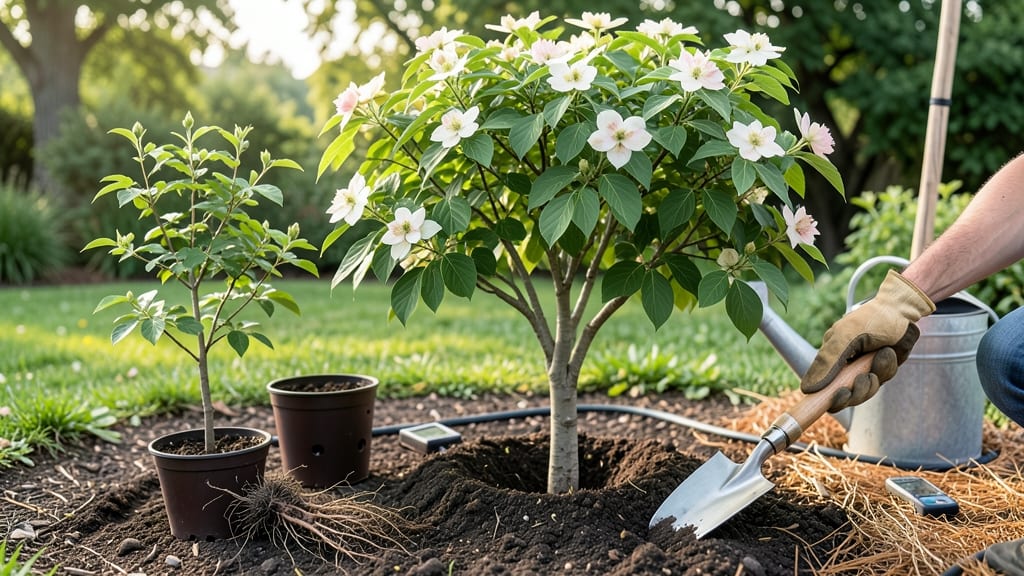
Planting your dogwood tree 🌳 at the wrong time in North Carolina could mean the difference between a thriving shade tree and a struggling investment. With NC’s unique climate—from the Piedmont’s mild winters to the coast’s humid summers—getting the timing right is everything for strong root growth and vibrant blooms.
Most gardeners know dogwoods prefer cooler weather, but did you know early spring (March-April) or fall (October-November) are the sweet spots for Zone 7b-8a? Planting outside these windows risks stress from heat, drought, or early frosts, which can set your tree back for years.
Let me walk you through the exact schedule and prep work to give your dogwood the best possible start.
Whether you’re transplanting a sapling or settling a bare-root tree, the key is understanding how NC’s frost dates play into your planting window.
We’ll cover soil prep, moisture control, and even which dogwood varieties handle your specific microclimate best—so you can skip the guesswork and get straight to a tree that flourishes.
Ready to plant with confidence? I’ll show you how to align your dogwood’s timeline with NC’s seasonal shifts for a tree that grows strong, blooms beautifully, and stands tall for decades. Let’s get started.
Best planting months for dogwood trees in NC (Zone 7b-8a)
North Carolina’s humid subtropical climate creates perfect conditions for dogwood trees, but timing is everything. The ideal window for planting dogwoods in USDA Zones 7b-8a is either early spring (March-April) or fall (October-November).
These months align with the tree’s natural growth cycles and avoid extreme temperatures that could stress young roots.
Spring planting gives dogwoods a full growing season to establish roots before summer heat arrives. Fall planting, on the other hand, allows roots to settle before winter dormancy. Both strategies maximize survival rates, which can drop dramatically if planted during peak summer heat or late winter freezes.
In North Carolina, the last frost date typically falls around March 15, with Asheville (Zone 7b) often seeing frost a week later than Raleigh (Zone 8a).
Planting after this date ensures your dogwood avoids frost damage while soil temperatures rise above 50°F (10°C), the threshold for root growth.
For fall planting, aim to finish by November 15, before the first hard frost. This gives roots 4-6 weeks to establish before winter dormancy.
In Zone 7b (cooler regions like Asheville), you might push planting to early November, while Zone 8a (warmer areas like Wilmington) can extend it to late November.
Container-grown dogwoods offer more flexibility—they can be planted year-round, except during extreme heat (July-August) or freezing conditions (December-February). However, bare-root trees must be planted during their dormant season to prevent transplant shock.
🌳 Dogwood Planting Timeline for NC (Zone 7b-8a)
| Season | Best Planting Window | Soil Temp Threshold | Key Consideration |
|---|---|---|---|
| Early Spring | March-April | 50°F+ (10°C) | Avoids summer heat; full growing season ahead |
| Fall | October-November | 45°F+ (7°C) | Roots establish before winter dormancy |
| Year-Round (Containers) | February-May, September-December | N/A | Avoid extreme heat/cold; water consistently |
⏰ Pro Tip: Use a soil thermometer to confirm temperatures before planting.
If you miss the ideal windows, late February or early May can still work for container-grown dogwoods, but survival rates drop. The key is ensuring the tree isn’t stressed by high temperatures or drought conditions during its first growing season.
North Carolina’s humidity and occasional pests, like dogwood borers, also influence timing. Planting in spring or fall helps the tree build resilience before these threats peak in summer. Always inspect your tree for signs of stress or pests within the first 30 days after planting.
For bare-root dogwoods, soak roots in water for 1-2 hours before planting to rehydrate them. This is especially critical in Zone 7b, where drier springs can dehydrate roots faster. Container-grown trees, however, can be planted anytime their roots aren’t waterlogged.
Remember: A dogwood planted at the right time in NC will reward you with stunning spring blooms and year-round interest. Whether you choose March’s fresh start or November’s quiet preparation, your timing sets the stage for decades of beauty.
Best planting months for dogwood trees in NC (Zone 7b-8a)
North Carolina’s humid subtropical climate creates two perfect windows for planting dogwood trees: early spring (March-April) and fall (October-November). These months align with soil temperatures between 40°F and 60°F, which encourages strong root establishment before summer heat or winter frost stress.
Spring planting gives young roots 6-8 weeks to grow before summer’s peak heat. Fall planting lets roots acclimate before dormancy, reducing transplant shock. Avoid planting in summer’s extreme heat or late winter’s frost risks, as both can stunt growth or kill tender roots.
🌱
| Planting Window | Soil Temp | NC Frost Dates | Root Growth Benefit |
|---|---|---|---|
| Early Spring (March-April) | 40°F–60°F | After last frost (March 1–15) | 6–8 weeks for root establishment |
| Fall (October-November) | 50°F–60°F | Before first frost (Nov 1–15) | Reduces transplant shock |
| Avoid: Summer (June–Aug) | Above 70°F | High heat stress | Root burn risk |
For bare-root dogwoods, prioritize spring planting to allow roots to replenish moisture before summer’s heat. Container-grown trees offer more flexibility, but still avoid planting during NC’s peak humidity months (July–August), when fungal diseases thrive.
In Zone 7b (e.g., Asheville), aim for March 15–April 15 in spring or October 15–November 1 in fall. In Zone 8a (e.g., Raleigh), extend the window to March 1–April 30 or October 1–November 15 to account for later frosts.
Use a soil thermometer to confirm temperatures before planting. Dogwood roots thrive in moist, well-draining soil—test drainage by digging a 12-inch hole and filling it with water. If it drains in under 2 hours, the site is ideal.
🌿