
Plants
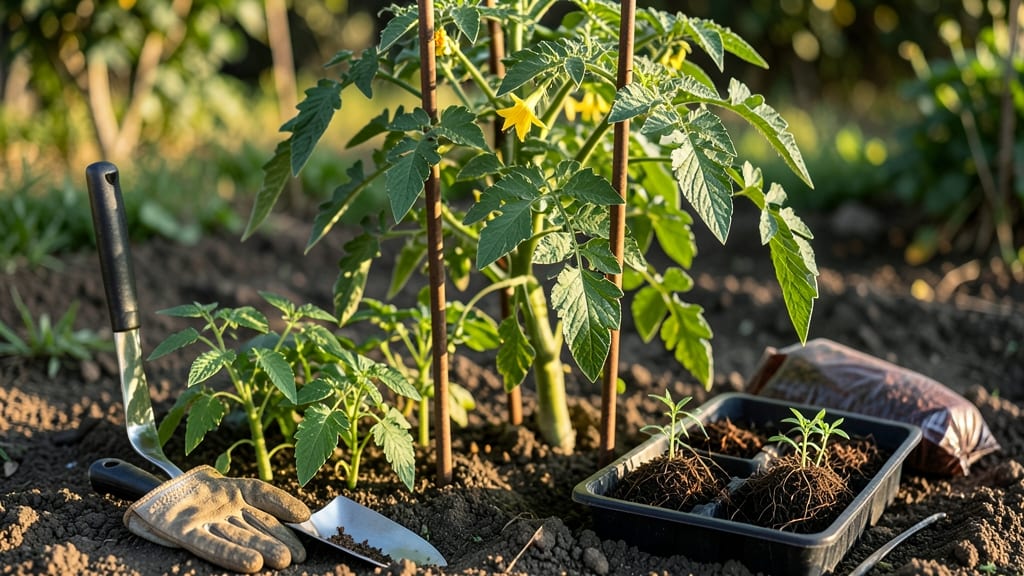
Kentucky tomato planting dates by USDA Zone: avoid frost & maximize yield
Kentucky spans USDA zones 5b through 7a, meaning your tomato planting window can shift by 3-4 weeks depending on where you live. The Bluegrass Region (Lexington, Louisville) typically has earlier last frost dates than Eastern Kentucky’s highlands (Corbin, Pikeville).
For example, Louisville (Zone 6b) averages its last frost around April 15, while Pikeville (Zone 6a) often waits until May 1. These differences matter because tomatoes won’t tolerate frost—even a light freeze can kill seedlings.
To pinpoint your exact window, check your local last frost date (use the National Weather Service or Kentucky Mesonet tools). Then, count back 2-3 weeks for transplanting seedlings or 4-6 weeks if starting seeds indoors.
This ensures your plants mature before Kentucky’s first fall frost (October 15–November 1), giving you a 120–150-day growing season—perfect for most varieties.
Here’s the critical rule: Soil temperature must reach 60°F (15°C) before planting. In Kentucky, this usually aligns with late April to early May, but cool river valleys (like the Ohio River basin) may need to wait until mid-May due to lingering cold air pockets.
Use a soil thermometer to confirm—tomatoes won’t thrive in cold soil, even if air temps are warm.
| USDA Zone | Last Frost Date | Transplant Window | Direct Sow Window | Key Microclimate Note |
|---|---|---|---|---|
| 5b (Eastern KY Highlands) | May 1–10 | May 15–25 | June 1–10 | Mountain valleys stay cold; use row covers. |
| 6a (Bowling Green, Paducah) | April 15–25 | April 30–May 10 | May 15–25 | River valleys warm faster; monitor soil temp. |
| 6b (Louisville, Lexington) | April 1–15 | April 15–25 | May 1–10 | Urban areas may have heat islands; plant early. |
| 7a (Western KY, near Tennessee) | March 20–April 1 | March 30–April 10 | April 15–25 | Longer season; succession plant for fall harvests. |
If you’re direct sowing seeds (skipping seedlings), plant 2 weeks after your transplant window—this gives seeds time to germinate in warm soil. For example, in Zone 6b (Lexington), direct sow around May 1–10.
Pro tip: Use biodegradable seed starter pots to avoid transplant shock when moving seedlings outdoors.
For container gardening, align your timeline with in-ground dates but account for warmer microclimates in pots. Containers heat up faster, so you can plant 1–2 weeks earlier than ground planting.
Just ensure pots have drainage holes and use lightweight potting mix to prevent root rot—Kentucky’s humidity makes containers prone to fungal issues.
One common mistake in Kentucky is rushing to plant too early in hopes of a longer harvest. But cool soil + chilly nights stunt growth, leading to blossom drop or cracked fruit.
Wait until nighttime temps stay above 55°F (13°C) consistently. Use a minimum-maximum thermometer to track temps if you’re unsure.
To extend your harvest, plant succession crops every 2 weeks from May through July. This works especially well in Zone 7a, where you can squeeze in two full harvests.
Choose a mix of determinate (bush) and indeterminate (vining) varieties—determinates like ‘Celebrity’ ripen all at once, while indeterminates like ‘Better Boy’ produce continuously.
Finally, watch for late frosts in Kentucky’s Appalachian foothills. Even in May, a “black frost” (where temps drop below freezing without ice) can sneak in. Protect seedlings with frost cloth or a cold frame until you’re past the average last frost date.
In Eastern Kentucky, this might mean waiting until May 15–20—patience pays off with a healthier, more productive plant.
How to extend Kentucky’s tomato growing season with smart timing & protection
Kentucky’s unpredictable spring frosts and short growing season can derail even the most eager tomato grower. But with the right strategies, you can extend your harvest window by 4-6 weeks—sometimes even longer!
The key lies in early starts, protective gear, and choosing varieties that thrive in Kentucky’s humid summers.
If you’ve ever lost seedlings to a late-May frost or watched your late-planted tomatoes struggle in August heat, you’re not alone. The solution? A mix of indoor seed starting, season-extending tools, and succession planting. Let’s break down how to make it work in your garden.
🌱 Did You Know? Starting tomato seeds 6-8 weeks indoors before your last frost date gives seedlings a head start. In USDA Zone 6 (e.g., Lexington), that means mid-March starts for outdoor planting by late April or early May. Use grow lights to avoid leggy seedlings—natural light alone won’t cut it this early!
5 Pro Tips to Extend Your Kentucky Tomato Season
- 1. Start seeds indoors 6-8 weeks before last frost (use biodegradable pots to avoid transplant shock).
- 2. Use row covers (floating fabric) to protect seedlings from late frosts and pests like tomato hornworms.
- 3. Try cold frames or mini greenhouses to push early starts 2-3 weeks earlier in Zone 5b areas.
- 4. Plant heat-tolerant varieties like ‘Solar Fire’ or ‘Heatmaster’ for late July/August harvests.
- 5. Succession plant every 2 weeks from May to June for a continuous harvest through October.
Hardening off seedlings is non-negotiable in Kentucky’s volatile spring weather. Begin 10-14 days before transplanting by placing seedlings outside for 2-3 hours daily, gradually increasing exposure.
Watch for wilting or yellowing leaves—these are signs they’re not ready yet. Morning sun is gentler than afternoon heat, so start with shaded spots.
For container gardening, choose determinate varieties like ‘Patio’ or ‘Tiny Tim’—they mature faster and handle Kentucky’s humidity better than sprawling indeterminates. Use 5-gallon pots with moisture-control mix (50% compost, 30% potting soil, 20% perlite) to prevent blossom-end rot from inconsistent watering.
Don’t forget mulching! A 2-3 inch layer of straw or shredded leaves keeps soil cool and moist, which is critical in Kentucky’s sweltering summers. It also suppresses weeds and reduces soil-borne diseases like early blight. Replenish mulch every 4-6 weeks to maintain effectiveness.