
Plants
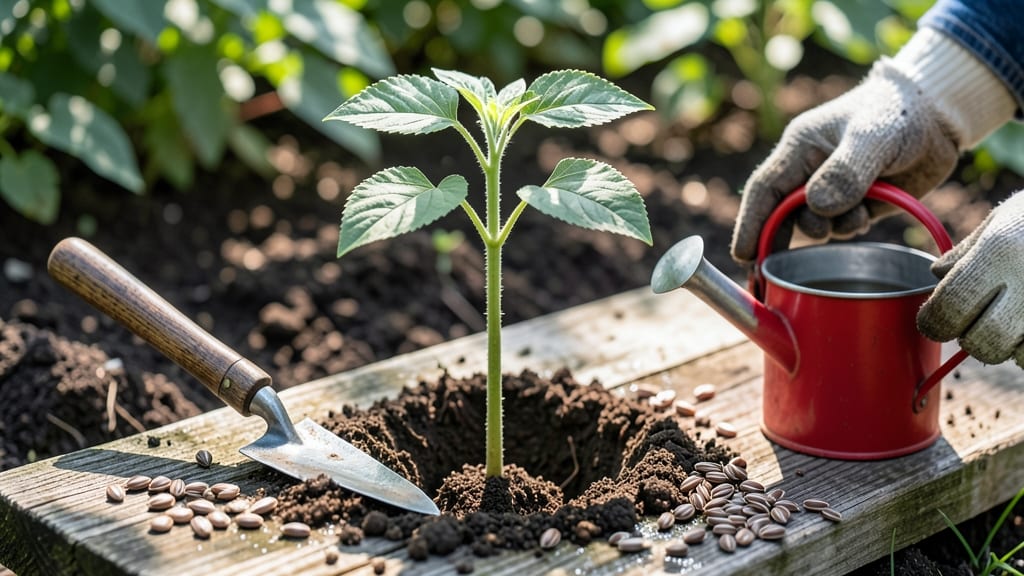
Here’s the truth: North Florida’s cooler springs and South Florida’s relentless heat create two completely different planting worlds. One wrong move, like planting too early in the Panhandle or too late in the Keys, and your sunflowers might struggle to reach their full 10-foot potential.
I’ll break down the exact windows—plus how to hack Florida’s microclimates for bigger, healthier blooms.
Whether you’re a first-time gardener or a seasoned green thumb, this guide cuts through the guesswork. You’ll learn when to pop those seeds in the ground, how to prep soil for Florida’s humidity, and which sunflower varieties thrive in your specific county.
Let’s get those seeds sprouting on the right schedule!
The best part? No more waiting for frost warnings—just a clear, county-by-county roadmap to sunflowers that’ll make your neighbors green with envy. Ready to grow giants? Let’s dive in.
Florida’s frost-free deadlines by county: when to plant sunflower seeds
Florida’s frost-free climate makes sunflowers a year-round possibility, but county-specific timing ensures your seeds germinate in ideal conditions. Unlike northern states, Florida’s USDA Zones 9a-11 mean no frost risk in most areas—but North Florida’s cooler winters still demand careful planning.
South Florida gardeners can plant year-round, while Panhandle growers should aim for February–April for best results.
The key difference? Soil temperature trumps calendar dates. Sunflower seeds need 55°F+ soil to sprout, but they thrive at 60–70°F. In North Florida (Jacksonville, Tallahassee), wait until mid-March to avoid slow germination.
Meanwhile, South Florida (Miami, Naples) can start as early as January—or even late summer for fall blooms.
Here’s the breakdown you need:
| Region | Last Frost Date | Ideal Planting Window | Sunflower Varieties |
|---|---|---|---|
| North Florida (Jacksonville, Gainesville) | None (rare light frost Dec-Jan) | Feb 15–Apr 15 | ‘Moulin Rouge’, ‘Autumn Beauty’ |
| Central Florida (Orlando, Tampa) | None | Jan 1–May 15 | ‘Teddy Bear’, ‘ProCut’ (cut flowers) |
| South Florida (Miami, Fort Lauderdale) | None | Year-round (best Jan–Apr) | ‘Russian Giant’, ‘Dwarf Sungold’ |
| Panhandle (Pensacola, Tallahassee) | None (occasional Dec frost) | Mar 1–Apr 30 | ‘Sunspot’, ‘Little Becka’ (dwarf) |
For summer blooms, plant seeds in May–June—just be prepared for heat stress if temperatures exceed 90°F. Use shade cloth or drip irrigation to protect young seedlings. Pro tip: Pre-soak seeds for 6–8 hours before planting to speed up germination in Florida’s humidity.
If you’re in South Florida, don’t overlook fall planting (August–September) for winter blooms. The cooler weather actually improves seed maturation, and you’ll avoid pests like aphids that thrive in summer heat. Just monitor for hurricane risks if planting near storm season.
For North Florida gardeners, focus on early spring (February–March) to capitalize on longer daylight hours and warmer soils. Avoid planting after April 15, or your sunflowers may bolt too quickly, producing small, underdeveloped blooms. Choose heat-tolerant varieties like ‘ProCut’ if you must plant late.
Remember: Sunflowers love heat, but they hate soggy soil. Florida’s humid climate means drainage is critical. Amend heavy clay soil with compost or sand to prevent root rot. A 5–10% slope in your planting bed helps excess water drain away.
Use this county map guide as your starting point, but always check local microclimates. A shady spot near a building might stay cooler than the rest of your yard—ideal for late-season plantings. Adjust your timing based on your specific location’s heat patterns, not just the county average.
Finally, track your sunflower’s progress with a garden journal. Note when seeds sprout, when buds form, and when blooms open. This helps you refine next year’s planting schedule for perfect timing.
With Florida’s climate, experimentation is key—but starting with these deadlines gives you a huge head start on towering, sun-drenched blooms.
🌻
How to adjust sunflower planting for Florida’s microclimates
Florida’s diverse microclimates—from the humid Everglades to the drier Panhandle—mean your sunflower planting strategy should adapt to local conditions. While South Florida enjoys year-round warmth, North Florida faces occasional winter chills that can stunt growth. Understanding these variations helps you extend your growing season and maximize blooms.
For coastal areas like Miami or Tampa, you can plant sunflower seeds year-round, but focus on spring and fall for the best results.
Inland regions like Orlando or Gainesville benefit from early spring plantings (February–March) to avoid summer’s intense heat, while the Panhandle can push seeds into the ground as early as January due to milder winters.
Here’s how to tailor your approach to Florida’s unique zones:
- 🌡️ South Florida (Zones 10-11): Plant year-round but prioritize spring (Feb-Apr) for tallest varieties. Use shade cloth in peak summer (June-Aug) to prevent bolting.
- 🌬️ Central Florida (Zones 9-10): Start seeds indoors in Jan for early blooms, transplant outdoors by Feb 15. Succession plant every 2 weeks until May.
- 🏖️ Panhandle (Zones 8-9): Plant Jan-Feb for spring blooms or Aug-Sept for fall harvests. Choose heat-tolerant varieties like ‘Moulin Rouge’ for summer.
- 🌊 Coastal vs. Inland: Coastal areas have higher humidity—space plants 12+ inches apart to improve airflow. Inland zones need more frequent watering during dry spells.
- ❄️ Frost Watch: Even in North Florida, rare 28°F nights (Dec-Jan) can damage young seedlings. Use row covers or grow in containers for mobility.
Don’t overlook elevation differences—higher areas like the Ocala National Forest may experience cooler nights than nearby valleys. Test your soil’s warmth by pressing your hand into the ground; it should feel like a warm bath (60-70°F) before planting.
If it’s cooler, wait 1-2 weeks or use black plastic mulch to speed up warming.
For container gardening, Florida’s heat makes pots ideal—just ensure they’re at least 12 inches deep and use lightweight potting mix to prevent root rot. Place pots on elevated stands to improve drainage, especially in humid coastal zones where fungal diseases thrive.
Pro tip: Succession planting every 2-3 weeks ensures continuous blooms. In South Florida, you can even grow two crops per year—one in spring and another in fall. Just avoid planting after June 15 in North Florida, as the heat often leads to bolting (premature flowering).