
Plants
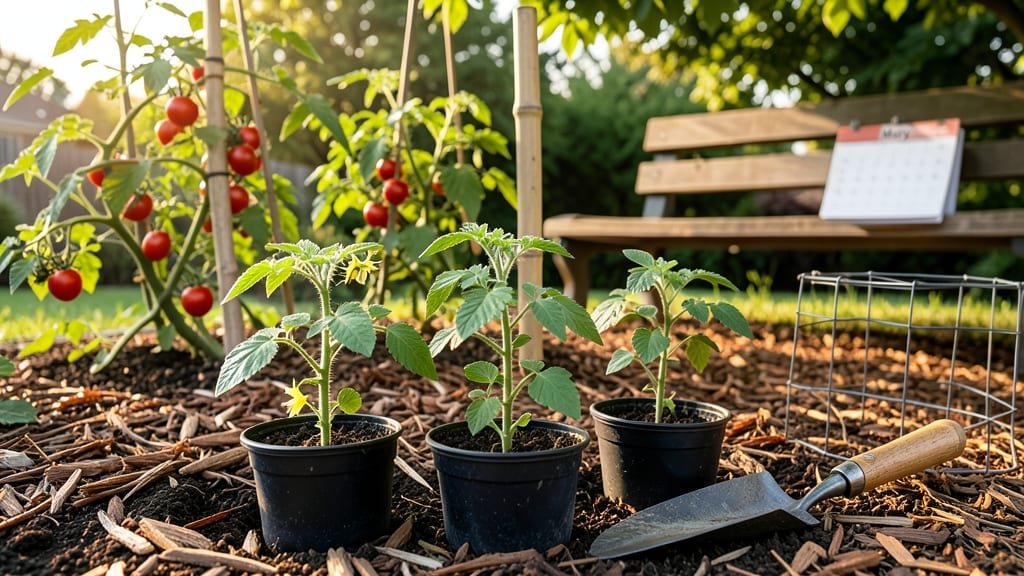
When is the best time to plant tomatoes in Indiana? Timing your 🍅 tomato planting in Indiana isn’t just about the calendar—it’s about outsmarting frost, heat waves, and the state’s famously fickle spring weather. Plant too early, and a late frost will wipe out your seedlings; too late, and your vines may never mature before fall’s chill. The best window for Indiana’s Zone 5b-6b is a narrow 4-6 weeks between late April and mid-May, but there’s more to it than dates.
Why? Because Indiana’s soil needs to hit at least 60°F before tomatoes thrive, and your local microclimate—whether you’re in northern or southern Indiana—can shift that window by 2 weeks.
I’ll break down the exact soil temperature cues, frost-free averages, and how to adjust for your specific corner of the state so you’re planting when both the ground and the forecast are on your side.
You’ll also discover whether to start seeds indoors 4-6 weeks early or dive straight into direct sowing, plus how to protect young plants from Indiana’s infamous “false springs” that trick gardeners into planting too soon.
By the end, you’ll have a customized schedule tailored to your backyard’s conditions—no guesswork, just peak-yield tomatoes from June to October.
Ready to turn your Indiana garden into a tomato powerhouse? Let’s dig into the science-backed strategies that’ll have your plants flourishing while your neighbors are still waiting for their first ripe fruit.
Indiana’s ideal planting window for tomatoes: soil temps, frost dates, and heat requirements
Indiana’s Zone 6 climate means your tomato plants face a tight window between last frost dates and fall’s first chill. The sweet spot? Planting after soil warms to 55°F+ and outdoor temps stay above 60°F consistently.
Northern Indiana’s last frost typically hits mid-April, while southern regions may see it 1-2 weeks earlier—but don’t rush! Tomatoes need warmth to thrive.
For peak yields, aim for late April to mid-May planting. This gives your plants 60-70 days of growing season before Indiana’s average first frost in mid-October. Early varieties can mature faster, but heat-loving types like ‘Better Boy’ need that full window to ripen properly.
Check Purdue Extension’s frost maps for your exact county—microclimates near lakes or urban areas can delay frost by 1-2 weeks.
Soil temperature is more critical than air temperature. Use a soil thermometer ($10 at garden centers) to confirm 60°F+ at a 4-inch depth. Cold soil stunts root growth, leaving plants vulnerable to blossom-end rot or fungal diseases.
If your soil is still chilly, opt for container growing—pots warm up faster in sun.
Avoid the ‘false spring’ trap! Indiana’s March warm spells can fool you into early planting, only for a late frost to return. Wait until nighttime lows stay above 45°F for at least 5-7 days.
For extra safety, use row covers or plant in black plastic mulch to accelerate soil warming by 5-10°F.
Here’s your Indiana tomato planting timeline broken down by region and soil conditions:
| Region | Last Frost Date | Ideal Planting Window | Soil Temp Threshold | Notes |
|---|---|---|---|---|
| Northern IN (Zone 5b) | Mid-April | Late May | 60°F+ | Use cold frames for early starts |
| Central IN (Zone 6a) | Early April | Late April - Early May | 55°F+ | Best for heirlooms like 'Brandywine' |
| Southern IN (Zone 6b) | Late March | Mid-April - Late April | 58°F+ | Try early varieties like 'Stupice' |
| Urban Microclimates | Variable (check local data) | 1-2 weeks earlier | 60°F+ | Sidewalks/brick warm soil faster |
Pro tip: Test your soil 1-2 weeks before planting. Indiana’s clay-heavy soils benefit from compost or aged manure to improve drainage. Aim for a pH of 6.2-6.8—tomatoes hate acidic soil.
If your garden soil is cold or compacted, consider raised beds, which warm up 2-3 weeks faster than in-ground plots.
For container gardeners, black pots absorb heat and warm up quickly—ideal for northern Indiana’s shorter seasons. Fill containers with a lightweight potting mix (never garden soil) and plant determinate varieties like ‘Patio’ or ‘Tiny Tim’ for compact growth.
Move pots to a south-facing porch at night if temps dip below 50°F.
Remember: Tomatoes grow fastest when daytime temps hit 75-85°F. If Indiana’s summer heat arrives early, your plants will bolt (flower too quickly). Balance is key—shade cloth during heatwaves prevents sunscald on fruit. Start with 30% shade if temps exceed 90°F for more than 3 days.
🌱
Transplanting vs. direct sowing tomatoes in Indiana: pros, cons, and step-by-step timing
Indiana’s unpredictable spring weather forces gardeners to weigh two options: starting tomato seeds indoors or direct sowing outdoors. Both methods work, but each has trade-offs for Zone 6’s short growing season.
I’ll break down the pros, cons, and exact timing for each to help you decide which fits your schedule and resources.
For transplanting, begin seeds 4–6 weeks before your last frost date (typically mid-April in Indiana). This gives seedlings a head start, but requires indoor space, grow lights, and careful hardening off.
Direct sowing, on the other hand, skips the indoor phase and plants seeds directly into the garden after soil warms to 60°F (usually late April to early May).
Pros of transplanting: Faster maturity, longer harvest window, and better variety selection. Cons: Higher upfront cost, risk of transplant shock, and false springs can trap you into early planting. Direct sowing avoids these risks but offers fewer variety choices and slower early growth.
- Faster harvest by 2–3 weeks
- Access to heirloom/varietal seeds
- Better control over growing conditions
- Requires indoor space and equipment
- Risk of transplant shock
- False springs can ruin early starts
- No transplant shock risk
- Lower upfront cost
- Adapts to outdoor conditions naturally
- Slower early growth
- Limited seed variety
- Dependent on soil warming
If you choose transplanting, follow this 3-step hardening off process to prepare seedlings for Indiana’s chilly nights: Start by placing them outdoors for 1–2 hours in a shaded spot, then gradually increase exposure over 7–10 days to full sun and 50°F nights.
Skip this step, and your seedlings may bolt or stunt when moved to the garden.
For direct sowing, wait until soil temperatures exceed 60°F (use a soil thermometer to check) and nighttime lows stay above 50°F. Plant seeds 1/4 inch deep, 2–3 seeds per hole, and thin to the strongest seedling once they’re 2 inches tall.
This method works best for heat-tolerant varieties like ‘Heatmaster’ or ‘Solar Fire.’
Indiana’s false springs are notorious—warm days in March can fool gardeners into planting too early. Always check Purdue Extension’s frost date maps and use row covers if you’re tempted to plant early. For extra protection, consider a cold frame to extend your season 2–3 weeks earlier.
Regardless of method, mulch heavily after planting to retain moisture and stake or cage plants immediately to prevent wind damage. With the right timing and preparation, you’ll beat Indiana’s short season and enjoy tomatoes from July to October.