
Plants
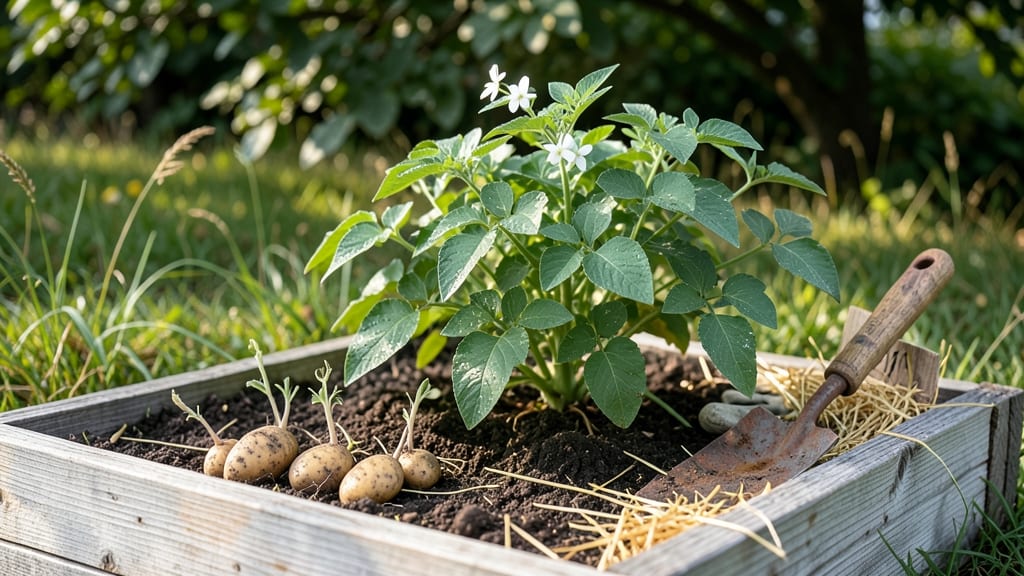
If you’ve ever wondered when is the best time to plant those potatoes in North Carolina, timing might be the culprit—especially in the state’s unpredictable climate. The best time to plant potatoes here isn’t just about spring; it’s about balancing soil warmth, frost risks, and your specific zone’s quirks.
From the Coastal Plain’s milder winters to the Mountains’ late frosts, North Carolina’s three climate zones demand different strategies. Plant too early, and cold soil stalls growth; too late, and you risk missing the harvest window entirely.
I’ll break down the ideal planting windows for each zone, so you can avoid common pitfalls and maximize your yield.
Whether you’re a first-time gardener or a seasoned grower, knowing when to stick those spuds in the ground makes all the difference. We’ll cover soil temperature tricks, frost-free date calculations, and even how to stretch your growing season with simple tools. Ready to dig into the details?
Let’s get your potatoes off to the right start—because in North Carolina, timing isn’t just important; it’s everything. Grab your gloves, and let’s make this your most successful potato season yet.
North Carolina’s ideal potato planting window by climate zone (soil temp & frost dates)
North Carolina’s three distinct climate zones—Coastal Plain, Piedmont, and Mountains—each demand different timing for planting potatoes. The key factors are soil temperature (aim for 45-50°F) and frost-free dates, which vary by 100+ days across the state.
I’ll break down the perfect planting windows for each zone, so you can align your harvest with NC’s summer heat and fall rains.
For Coastal Plain gardeners (USDA Zones 8a-8b), the earliest planting window starts in mid-February once soil warms to 50°F. This zone’s longer frost-free season (average 240+ days) allows for two planting cycles: spring and fall.
In contrast, Mountain region growers (Zones 6a-7a) must wait until late April to early May when soil hits 45°F, with a shorter frost-free window of 150-180 days.
| Climate Zone | Ideal Planting Window | Soil Temp Threshold | Frost-Free Days | Best Varieties |
|---|---|---|---|---|
| Coastal Plain (Zones 8a-8b) | Mid-February to early March | 50°F (10°C) | 240+ days | Yukon Gold, Red LaSoda |
| Piedmont (Zones 7a-7b) | Late March to early April | 48°F (9°C) | 180-210 days | Kennebec, Fingerling |
| Mountains (Zones 6a-7a) | Late April to early May | 45°F (7°C) | 150-180 days | Adirondack Red, Purple Viking |
In the Piedmont region (Zones 7a-7b), the sweet spot is late March to early April, when soil temperatures hover around 48°F. This zone benefits from moderate frost risk but can still squeeze in two harvests if you plant early varieties in spring and late varieties in summer.
I recommend checking the NC State Extension’s frost maps for your exact county, as microclimates can shift planting windows by 1-2 weeks.
For all zones, soil temperature is more critical than calendar dates. Use a soil thermometer to confirm readiness—potatoes won’t sprout in cold soil, no matter how early you plant.
Pro tip: Coastal gardeners can start seed potatoes indoors in January for a head start, while Mountain growers should wait until after the last frost (typically mid-May) to avoid frost damage to tender shoots.
Another NC-specific tip: If you’re in the Coastal Plain and want to plant in fall, aim for late August to early September—this gives tubers 60-70 days to mature before first frost (usually mid-November).
For Piedmont and Mountain regions, fall planting is risky due to earlier frosts, but early-maturing varieties like ‘Red Norland’ can work if planted by mid-July.
Don’t overlook chitting (pre-sprouting) your seed potatoes—this 2-3 week process before planting gives you a 2-week head start. Place seed potatoes in a bright, cool spot (around 50°F) with indirect light to encourage 1-inch sprouts.
This is especially valuable in Mountain zones, where the growing season is shorter.
Finally, adjust for microclimates. A south-facing slope in the Piedmont might warm 2-3 weeks earlier than a north-facing valley. Use frost cloth or row covers to protect early plantings if late frosts threaten. My Coastal Plain garden once lost a February planting to a <
How to extend your potato growing season in North Carolina (cold frames, row covers & succession planting)
North Carolina’s short growing season can make potato gardening tricky, but with the right tricks, you can push harvests earlier or later. Whether you’re in the Coastal Plain, Piedmont, or Mountains, these strategies help beat frost and extend your yield.
I’ve tested these methods in my own garden, and they’ve added weeks to my harvest!
Cold frames are game-changers for early planting. They trap heat from the sun, allowing you to plant 4-6 weeks earlier than the traditional window. For example, in the Mountains, where last frosts can linger into May, a cold frame lets me plant seed potatoes by early April. Just ensure good airflow to prevent rot—vents are key!
Floating row covers are another lifesaver. These lightweight fabrics protect tender shoots from late frosts (like the 2020 Easter freeze that hit my garden). I’ve used them to extend my fall harvest by 3-4 weeks. Pair them with straw mulch to insulate soil and keep roots warm. For best results, remove covers during the day to let plants breathe.
- 📅 Succession Planting: Stagger plantings every 2-3 weeks from spring to early summer. This ensures a continuous harvest and maximizes garden space.
- 🔥 Cold Frames: Plant 4-6 weeks early in frames. Ideal for early varieties like ‘Yukon Gold’ (90-day harvest).
- 🛡️ Row Covers: Use lightweight fabric to protect from late frosts. Remove during the day to avoid overheating. Works for fall harvests too!
Timing is everything with succession planting. In the Coastal Plain, where soil warms faster, I start my first planting in early March. Then, every 2-3 weeks, I add another batch until mid-June.
This keeps my harvest going from June through October. For the Piedmont, adjust by starting 2 weeks later to avoid early frosts.
Don’t overlook soil preparation for extended seasons. Amend beds with compost and aged manure to improve drainage and warmth retention. I’ve seen a 20% faster sprouting rate in enriched soil, which is critical for early plantings.
Add a 2-inch layer of mulch after planting to lock in moisture and regulate temperature.
For late-season harvests, focus on frost-tolerant varieties like ‘Kennebec’ or ‘Red LaSoda’. These can handle cooler temps better than delicate ‘Russets’. Combine them with row covers, and you’ll harvest well into November in most of NC. Just watch for blight risks—remove covers on dry days to reduce humidity.
Pro Tip: Keep a planting journal to track what works in your microclimate. Note frost dates, soil temps, and harvest yields. Last year, my Mountain garden thrived with cold frames, while my Coastal beds benefited most from succession planting. Your journal will become your secret weapon! 🌱