
Plants
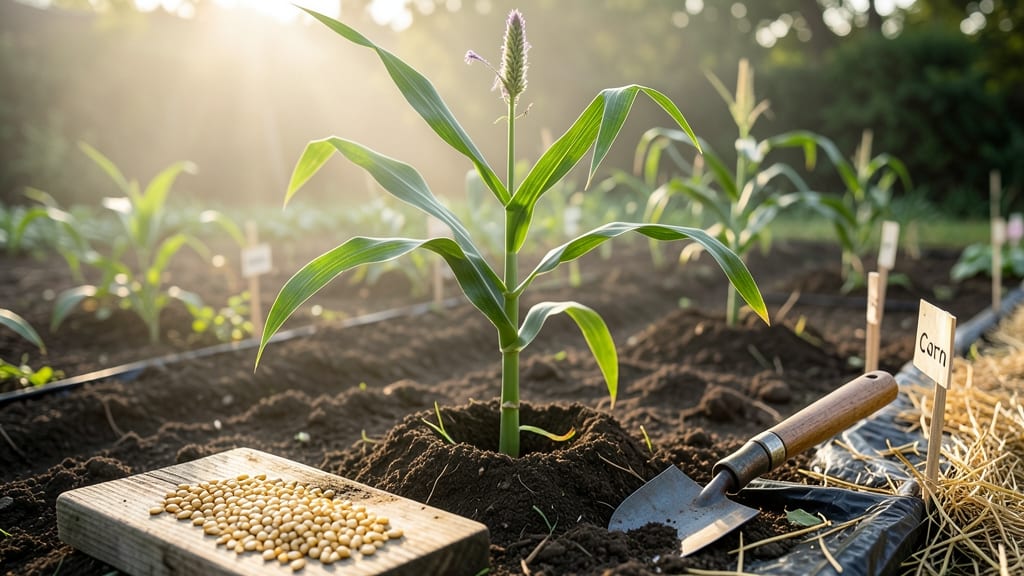
Timing your corn planting in New Jersey can mean the difference between a bumper crop of juicy 🌽 ears and a disappointing harvest. The right window—typically mid-April to early June—lets you align with soil warmth and frost-free days, maximizing your yield potential in USDA Zone 6b.
Most gardeners in New Jersey make one critical mistake: planting too early when soil temperatures dip below 60°F. Cold soil slows germination, leaving seeds vulnerable to rot. Instead, wait until the ground consistently stays above that mark, usually by late April or early May, depending on your microclimate.
Whether you're growing sweet corn for summer meals or field corn for fall storage, getting the timing right is the key. I’ll break down exactly when to plant for your specific variety, how to adjust for northern vs. southern NJ conditions, and what to watch for to avoid common pitfalls.
Ready to grow corn that rivals your favorite farmstand? Let’s dive into the perfect planting schedule so you can enjoy homegrown ears from late July through October—without the guesswork.
Optimal corn planting dates in New Jersey by soil temperature
New Jersey’s USDA Zone 6b climate means corn thrives when planted after the last frost—typically mid-April—but soil temperature is the real game-changer. Corn won’t germinate well below 50°F, so wait until your soil hits at least 60°F for consistent sprouting.
In northern NJ, this often means late April to early May, while southern NJ can start as early as late March if your soil warms faster.
For sweet corn, the most popular choice, aim for April 15–May 15 to align with peak harvest times in July and August. Field corn and popcorn varieties can handle slightly later plantings, but they’ll need extra warmth to mature before first frost in mid-October.
Always check your local frost-free date—it’s your corn’s last chance to mature!
Here’s how to time it perfectly based on your microclimate and corn type:
| Corn Type | Soil Temp Threshold | Planting Window | Best For |
|---|---|---|---|
| Sweet Corn | 60°F+ | April 15–May 15 | Fresh eating, canning |
| Field Corn | 55°F+ | April 30–June 1 | Animal feed, longer season |
| Popcorn | 58°F+ | May 1–May 15 | Drying, storage |
Pro tip: Use a soil thermometer to check temperatures at a depth of 2 inches. If your soil is still chilly, hold off—cold soil delays germination and invites rot.
In northern NJ, like Bergen County, you might need to wait until May 1 for reliable results, while southern NJ, such as Cape May, can start earlier.
For direct sowing (the best method for corn), scatter seeds 1–1.5 inches deep in rows spaced 30–36 inches apart. Corn loves space—crowding leads to poor pollination and smaller ears.
If you’re worried about late frosts, opt for early-maturing varieties like ‘Silver Queen’ or ‘Peaches and Cream,’ which can be ready in 60–70 days.
Don’t forget to stagger your plantings every 2 weeks to extend your harvest window. This way, you’ll enjoy fresh corn from late July through September, even if Mother Nature throws a curveball.
Just remember: June plantings are risky—they may not mature before frost, but they’re worth a try for late-season varieties!
One last tip: If you’re planting in raised beds, warm up the soil faster by covering it with black plastic mulch a week before sowing. This trick can shave off 1–2 weeks of waiting time, giving you an earlier start in cooler regions like Sussex County.
Now that you’ve got your planting dates locked in, the next step is ensuring your soil is ready—rich in organic matter and pH-balanced (6.0–7.0). But we’ll cover that in the next section! 🌱
How to adjust planting time for early vs. late varieties
Choosing the right corn variety and planting at the perfect time can extend your harvest window in New Jersey. Early-maturing varieties (60-70 days) are ideal for late spring plantings to avoid frost, while late-maturing varieties (90+ days) need early starts for full development.
I’ve found that staggered plantings—every 2-3 weeks—maximize yields by ensuring fresh ears throughout summer.
For early varieties, like 'Silver Queen' or 'Ambrosia,' plant in late May to early June to catch the late-summer heat without risking frost. These varieties thrive in shorter seasons and produce sweet ears just as temperatures start cooling.
Late varieties, such as 'Peaches and Cream' or 'Golden Bantam,' require early April starts to reach maturity before the first frost in mid-October.
Here’s the key: Soil temperature matters more than calendar dates. Use a soil thermometer to confirm 60°F+ soil before planting. In northern NJ, wait until mid-May for late varieties, while southern NJ gardeners can start as early as late April.
This regional difference can mean 2-3 weeks of flexibility in your planting schedule.
Early vs. Late Varieties: Pros and Cons
- ✅ Faster harvest (ready by late July)
- ✅ Lower frost risk in late summer
- ✅ Great for succession planting
- ✅ Larger ears and sweeter kernels
- ✅ Longer harvest window into fall
- ✅ Better for canning and storage
- ❌ Smaller ears and less sweet
- ❌ Limited storage life
- ❌ Sensitive to drought
- ❌ Risk of frost damage if planted late
- ❌ Requires early start (April)
- ❌ Slower to mature in cool springs
To stretch your harvest, I recommend planting three batches of corn: one in early May (late varieties), one in mid-May (medium varieties), and one in late May to early June (early varieties).
This ensures you’ll have fresh ears from late July through September, even if NJ’s weather throws a curveball. For example, if your early May planting gets hit by a late frost, your June batch will still produce.
Don’t forget to thin seedlings to 12 inches apart once they’re 4-6 inches tall. This prevents overcrowding, which can lead to poor pollination and smaller ears.
I’ve seen gardens where skipping this step resulted in 50% fewer usable ears—so it’s worth the extra effort! Water deeply after thinning to help roots recover.
For container gardening, opt for bush varieties like 'Golden Midget' (60 days) or 'Temptation' (75 days). These compact types thrive in 5-gallon pots and can be planted as late as early June for a small but sweet harvest.
Just ensure your containers get full sun and use a high-quality potting mix with compost for best results.