
Flowers
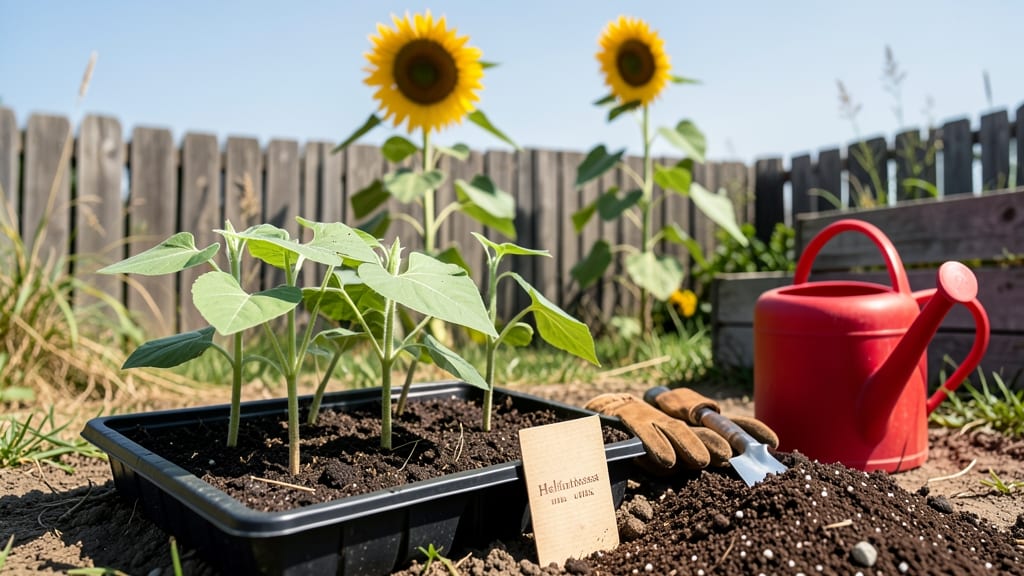
Planting sunflowers in Tennessee at the wrong time means watching your 🌻 dreams wilt before they even bloom. The key to success? Timing it right—between April 15 and June 15, after the last frost—so your plants thrive in USDA zones 6a-7b without frost risk.
But here’s the catch: East Tennessee’s cooler highlands and West Tennessee’s longer growing seasons don’t play by the same rules. A late frost in the mountains could devastate early plantings, while the Deep South might still have heat waves lurking.
I’ll break down the exact windows for your microclimate—so you can plant with confidence and avoid common mistakes.
You’ll also discover how to stretch your harvest with succession planting, pick the best sunflower varieties for your region, and adjust for Tennessee’s unpredictable spring weather. Whether you’re a first-time gardener or a seasoned pro, these tips will help you grow sunflowers that reach their full, towering potential.
Ready to turn your garden into a sunflower paradise? Let’s dive into the exact months, soil secrets, and regional tweaks that’ll make your plants stand tall and proud—no guesswork required.
Best sunflower planting months in Tennessee by microclimate (with frost risk maps)
Tennessee’s diverse microclimates mean your sunflower planting window could vary by 4-6 weeks depending on whether you’re in the mountains of East Tennessee or the flatlands of West Tennessee.
The key is planting after your last average frost date, when soil temperatures stay above 50°F (10°C) for consistent germination.
For most of Tennessee (USDA Zones 6a-7b), the ideal planting window runs from mid-April to mid-June.
However, gardeners in West Tennessee (Zone 7b) can start as early as late March, while those in East Tennessee’s high elevations (Zone 6a) should wait until mid-May to avoid frost damage.
Here’s how to determine your exact planting zone and frost risk for sunflowers:
| Region | USDA Zone | Avg. Last Frost | Best Planting Window | Frost Risk | Soil Temp. for Germination |
|---|---|---|---|---|---|
| West Tennessee (Memphis, Nashville) | 7a-7b | March 15 - April 1 | Late March - June 15 | Low | 50°F+ (10°C+) |
| Middle Tennessee (Chattanooga, Knoxville) | 6b-7a | April 1 - April 15 | Mid-April - May 31 | Moderate | 50°F+ (10°C+) |
| East Tennessee (Asheville, Bristol) | 6a-6b | April 15 - May 1 | Mid-May - June 15 | High | 55°F+ (13°C+) |
| High Elevations (Great Smoky Mtns) | 5b-6a | May 15 - June 1 | June 1 - July 1 | Very High | 60°F+ (16°C+) |
Pro Tip: Use a soil thermometer to confirm soil temps before planting—sunflowers won’t germinate below 50°F (10°C).
If you’re in West or Middle Tennessee, you can even try succession planting every 2-3 weeks from April to June for a continuous bloom from July through October. Just be sure to harden off seedlings for 5-7 days before transplanting to avoid shock.
For East Tennessee gardeners, consider starting seeds indoors in late March under grow lights, then transplant after your last frost date. This gives you a 4-6 week head start on the growing season and helps compensate for cooler soil temperatures.
Always check your local Cooperative Extension Service for real-time frost alerts, as Tennessee’s spring weather can be unpredictable. A late frost in May can wipe out young seedlings overnight—so timing is everything!
Once you’ve planted, mulch around the base with straw or wood chips to retain moisture and regulate soil temperature. Sunflowers are drought-tolerant once established, but consistent moisture during germination (first 2-3 weeks) is critical for strong root development.
🌻
How to adjust planting dates for Tennessee’s unpredictable spring weather
Tennessee’s spring weather can be as unpredictable as a sunflower chasing the sun—one day warm, the next a surprise frost.
Late frosts in East Tennessee (like in Gatlinburg) can hit as late as May 10, while West Tennessee (like Memphis) might see last frosts by March 20.
To avoid frost damage or stunted growth, I adjust planting dates based on soil temperature, not just air temperature.
Always wait until the soil temperature reaches at least 55°F—use a soil thermometer to check. In Middle Tennessee, this usually aligns with mid-April, but in cooler highland areas, it could be late April or early May.
Planting too early risks seed rot or seedlings that bolt in a heatwave, while waiting too long may cut your harvest window short.
If your area has a history of late frosts (check USDA frost maps), delay planting by 2-3 weeks or use row covers for young seedlings. Sunflowers are frost-sensitive—even a light freeze can kill emerging plants.
For extra protection, I use black plastic mulch or straw mulch to warm the soil faster. Lay it down 1-2 weeks before planting to raise soil temps by 5-10°F. This trick works especially well in East Tennessee’s cooler microclimates, where soil stays cold longer.
Pair it with deeper planting (1.5 inches instead of 1 inch) to shield seeds from temperature swings near the surface.
If spring drags on, consider succession planting every 2 weeks until June 15. This ensures a steady supply of sunflowers for cutting or seed harvest. For example, plant a fast-maturing variety like ‘Teddy Bear’ in early April, followed by ‘Autumn Beauty’ in late May.
This staggered approach maximizes your bloom time and minimizes frost-related losses.
Always monitor your local extended forecast and National Weather Service alerts. If a cold snap is predicted after planting, cover seedlings with frost cloth or move pots to a sheltered spot. Sunflowers are resilient, but young plants need that extra care to survive Tennessee’s unpredictable spring.
Pro tip: Mark your planting dates on a calendar and track soil temps with a free app like Gardenate. This way, you’ll never guess wrong again—just plant with confidence, knowing your sunflowers are safe from frost until they’re tall enough to handle the chill. 🌱