
Plants
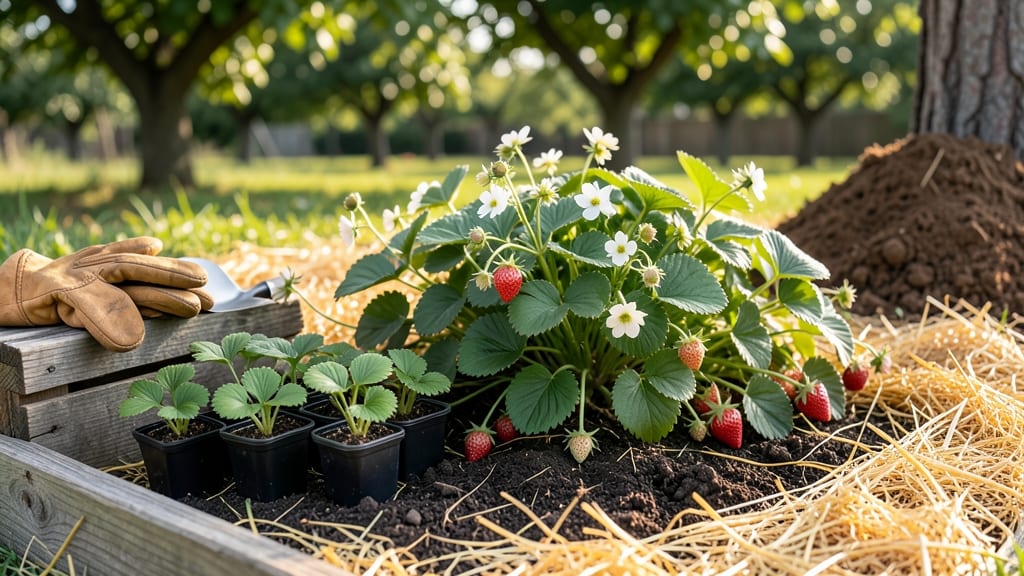
Planting strawberries in Zone 7 at the wrong time can mean the difference between a disappointing handful of berries and a bountiful harvest of sweet 🍓 goodness. Whether you're a first-time gardener or a seasoned green thumb, getting the timing right is the key to success in your garden.
Zone 7's mild winters and warm summers create perfect conditions for strawberries, but knowing exactly when to plant—whether in early spring or late summer—can make all the difference. I'll walk you through the best planting windows so you can maximize your yield and enjoy fresh berries all season long.
Many gardeners struggle with whether to plant in spring or fall, and the answer depends on your local microclimate and variety. Let me show you exactly how to align your planting schedule with Zone 7’s climate for the best results, including soil temperature tips and regional variations.
From preparing your soil to avoiding common mistakes, you'll discover everything you need to know to grow thriving strawberry plants. Let's get started on your path to a delicious, homegrown harvest!
Zone 7 strawberry planting timeline: spring vs fall planting compared
Planting strawberries in Zone 7 gives you two prime windows: early spring and late summer. Each offers unique advantages, but the wrong timing can lead to stunted growth or winter damage. Let’s break down the best times to plant for maximum berry production.
For spring planting, aim for March to early April—after the last frost date (typically March 15 in Zone 7) but before soil warms too much. Strawberries establish roots quickly in cool soil, setting them up for a strong harvest.
Meanwhile, fall planting (late August to early September) lets plants develop roots before winter dormancy, giving them a head start in spring.
Here’s the key difference: Spring-planted strawberries produce fruit their first year, while fall-planted ones focus on root growth and fruit in the following season. Your choice depends on whether you want immediate berries or a longer harvest window.
🌱
| Factor | Spring Planting (March-April) | Fall Planting (August-September) |
|---|---|---|
| Best For | June-bearing varieties | Everbearing & June-bearing |
| Soil Temp | 45-55°F (cool) | 60-70°F (warm) |
| Root Establishment | Moderate (spring growth) | Strong (pre-winter roots) |
| Harvest Window | First year (late spring) | Second year (extended) |
| Zone 7 Risk | Late frost damage | Winter heaving |
In northern Zone 7 (e.g., Pittsburgh, PA), plant strawberries in late March to early April to avoid late frosts. Southern Zone 7 (e.g., Atlanta, GA) gardeners can push planting to mid-April or even early May since frost threats are lower.
For fall, aim for late August in the north and early September in the south to allow roots to establish before winter.
Soil temperature is critical. Use a soil thermometer to confirm 45°F+ for spring or 60°F+ for fall. Cold soil slows root growth, while overly warm soil can stress plants. Mulch with straw or pine needles to regulate temperature and retain moisture.
If you’re unsure about your local frost dates, check the USDA Plant Hardiness Zone Map or consult your local cooperative extension service. They provide hyper-local advice tailored to your microclimate.
For everbearing varieties like Albion or Seascape, fall planting can yield berries the following spring and fall. Meanwhile, June-bearing types like Chandler or Jewel thrive with spring planting for a single, massive harvest.
Pro tip: If you plant both spring and fall, stagger varieties to extend your harvest season. For example, pair June-bearing (spring-planted) with everbearing (fall-planted) for berries from May through October.
✂️
Zone 7 strawberry planting timeline: spring vs fall planting compared
In Zone 7, strawberries can be planted in either early spring or late summer, but timing matters more than you might think. The key is aligning planting with soil temperatures and avoiding extreme heat or cold.
Spring planting gives you a summer harvest, while fall planting extends your season into early autumn.
For spring planting, aim for late March to mid-April—after the last frost date but before soil temperatures exceed 75°F. This window ensures roots establish before summer heat arrives. In contrast, fall planting should occur between mid-August and early September, allowing plants to root before winter dormancy.
| Planting Window | Best Months | Soil Temp Requirement | Harvest Season |
|---|---|---|---|
| Spring Planting | Late March - Mid-April | 45-65°F | Late May - June |
| Fall Planting | Mid-August - Early September | 60-70°F | September - October |
Northern Zone 7a areas (e.g., Roanoke, VA) have cooler springs, so prioritize spring planting in early April to avoid late frosts. Southern Zone 7b regions (e.g., Atlanta, GA) can plant as early as late February for spring, but watch for sudden heat spikes.
Fall planting in both subzones should finish by September 1st to ensure roots harden before winter.
If you’re unsure about your exact last frost date, check the USDA Plant Hardiness Zone Map or use local Cooperative Extension Service resources.
For example, Lexington, KY (Zone 7a) typically has its last frost around April 15th, while Chattanooga, TN (Zone 7b) often sees its last frost by March 20th. Adjust your timeline accordingly!
For everbearing varieties, like Albionel or Seascape, fall planting can yield two harvests—one in early summer and another in fall. Meanwhile, June-bearing types, such as Chandler, thrive with spring planting for a single, massive harvest. Choose your variety and timing based on your goals!
Remember: Bare-root plants need immediate watering after planting, while potted strawberries can wait a day or two. Mulch with straw or pine needles to retain moisture and suppress weeds—critical in Zone 7’s hot summers. With the right timing, you’ll enjoy sweet, juicy strawberries all season long! 🍓