
Plants
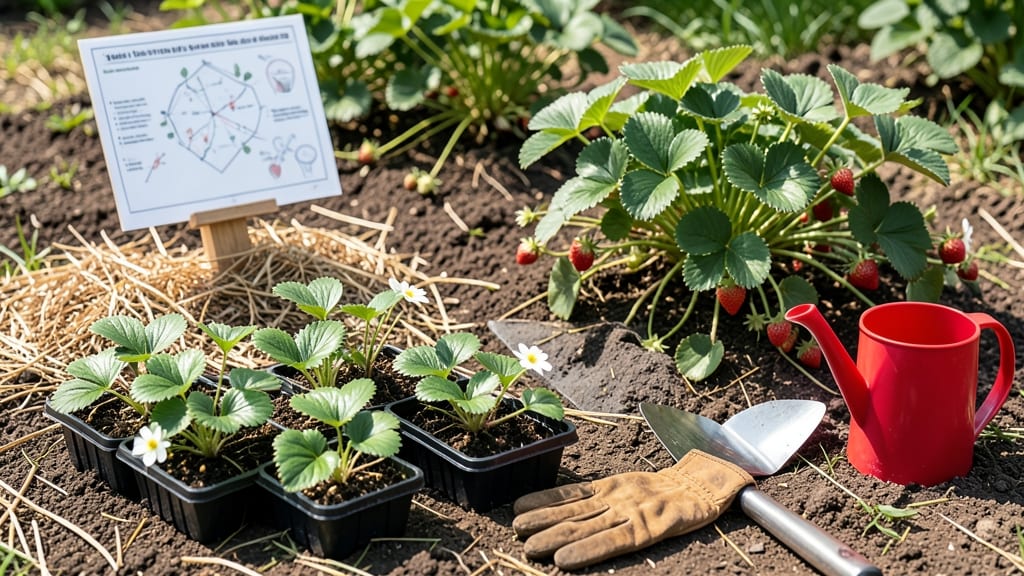
Planting strawberries in California can feel like a guessing game—get the timing wrong, and you might end up with bitter fruit or no harvest at all. The key lies in understanding your local climate, whether you're in frost-free coastal areas like San Francisco or warmer inland valleys like Sacramento.
With the right schedule, you can enjoy sweet 🍓 harvests twice a year, but one misstep could ruin your chances.
Most gardeners in 9b-10a zones assume spring is the only planting window, but fall can actually be the best time for cooler inland regions. Coastal areas, meanwhile, often thrive with spring plantings thanks to their milder winters.
The trick? Avoid planting too early when soil temperatures are still chilly, or too late when summer heat arrives—both can stress your plants before they even take root.
I’ve tested planting strawberries across California’s diverse climates, and what works in one region fails in another. For example, bare-root plants in the Central Valley need to go in by late winter, while potted strawberries in LA can handle a spring start.
Even the type of strawberry—June-bearing, everbearing, or day-neutral—plays a role in your success.
Ready to grow your best strawberry crop yet? I’ll walk you through the exact planting windows for your region, soil prep tips, and how to choose between bare-root, potted, or seed-started plants. Let’s get those berries thriving!
Best planting times for strawberries in California by region (coastal vs inland)
California’s varied climates mean your strawberry planting schedule should depend heavily on whether you’re in coastal, Central Valley, or desert regions.
Coastal areas like San Francisco and LA enjoy mild winters with almost no frost, while inland valleys like Fresno and Bakersfield face occasional freezing temperatures and earlier frost risks. Desert regions like Palm Springs can plant almost year-round due to their warm winters.
For coastal gardeners, the best time to plant strawberries is fall (September–November) or early spring (February–March). This timing avoids summer heat stress and ensures a harvest before the next planting season.
Inland areas should focus on late winter (January–February) planting to escape spring frosts, while desert regions can plant in fall or spring with minimal frost concerns.
Why timing matters: Planting too early in cold regions risks frost damage, while late planting in hot areas leads to summer heat stress. Strawberries thrive in 50–85°F soil temperatures, making late fall or early spring ideal for most of California.
Here’s a quick breakdown of optimal planting windows by region:
| Region | Best Planting Window | Key Considerations |
|---|---|---|
| Coastal (San Francisco, LA) | Fall (Sept–Nov) or Spring (Feb–March) | No frost risk; avoid summer heat |
| Central Valley (Sacramento, Fresno) | Late Winter (Jan–Feb) | Escape spring frosts; harvest by summer |
| Desert (Palm Springs, Coachella) | Fall (Sept–Oct) or Spring (March–April) | Year-round possible; avoid extreme summer heat |
If you’re in a transition zone (e.g., Santa Barbara or San Diego), monitor local frost dates and plant in late fall or early spring for safety. For example, Santa Barbara’s last frost is typically around January 15, so planting in December is risky.
Another critical factor is strawberry variety. June-bearing types (like Chandler) need a cold period to fruit, while everbearing (Seascape) and day-neutral (Albion) varieties produce fruit year-round with proper care. Choose varieties suited to your USDA zone (9b–10a) for best results.
For container gardeners, timing is slightly flexible. You can plant potted strawberries in spring or fall and move them indoors during extreme heat or cold. Just ensure pots have drainage holes and use a well-draining potting mix to prevent root rot.
Pro tip: If you’re planting bare-root strawberries, soak the roots in water for 2–4 hours before planting to reduce transplant shock. This is especially important in dry inland regions where soil can be bone-dry.
Finally, always check your local agricultural extension office for microclimate-specific advice. For example, the San Joaquin Valley may have slightly different frost dates than nearby foothills. With the right timing, you’ll enjoy sweet, juicy strawberries from late spring through fall!
Best planting times for strawberries in California by region (coastal vs inland)
California’s strawberry planting times vary dramatically between regions, with coastal areas like San Diego and San Francisco offering mild winters, while inland valleys like Fresno and Sacramento face frost risks. Timing your plantings to align with your local climate zone ensures healthy growth and a bountiful harvest.
For coastal California (USDA Zones 9b–10a), you can plant strawberries year-round, but the best windows are fall (September–November) and early spring (February–March). These periods avoid heat stress and provide ideal 60–70°F soil temperatures for root establishment.
In contrast, inland regions (USDA Zones 9a–9b) should focus on fall planting (October–December) to establish roots before winter dormancy. Spring planting is possible but riskier due to late frost threats—aim for February–March only after the last frost date.
| Region | Best Planting Windows | Key Considerations | Frost Risk |
|---|---|---|---|
| Coastal (San Francisco, LA) | Fall (Sep–Nov), Spring (Feb–Mar) | Mild winters, no frost; year-round growth possible. | None |
| Central Valley (Sacramento, Fresno) | Fall (Oct–Dec), Early Spring (Feb) | Frost possible Dec–Jan; plant after last frost. | Moderate (Dec–Jan) |
| Desert (Palm Springs, Coachella) | Fall (Sep–Oct), Spring (Mar–Apr) | Extreme heat in summer; avoid planting then. | None |
🌱 Pro Tip: Use June-bearing varieties for fall planting and everbearing types for spring harvests.
If you’re in coastal Southern California, you can even plant strawberries in late summer (August) for a winter harvest. The key is maintaining consistent moisture and using shade cloth during heatwaves to protect young plants.
For inland gardeners, prioritize bare-root plants in fall—they establish roots before winter and produce fruit earlier in spring. Avoid planting in late winter, as sudden frost can damage tender new growth.
No matter your region, always choose day-neutral varieties like Seascape or Albion for California’s unpredictable weather. These varieties produce fruit continuously and handle heat better than traditional June-bearing types.